The
Morning
Brief
Tuesday, May 19, 2026
Today's Signal
Claude is rapidly expanding from a chat tool into a full creative and engineering operating system — Design, Code, Word, and now live dashboards — and the design industry is feeling the pressure acutely. The deeper story is about role boundaries dissolving: as AI handles more execution, the value of craft, judgment, and systemic thinking becomes both harder to articulate and more essential. Across disciplines, the question isn't whether AI changes the work, but whether practitioners can evolve faster than the tools.
Deep Read
Claude Design's Real Bet: Your Design System Is the Moat, Not the Pixels
Design Better
A hands-on field report finds that Claude Design's most significant capability isn't generating screens — it's ingesting your actual design system and applying your tokens, typography, and components consistently across every output. For design-adjacent roles like engineers and researchers who need rapid prototypes, a tool pre-loaded with a company's design system is a major unlock. The catch: it burns through usage credits alarmingly fast, the responsive design handling is shaky, and the real economics of using it at scale remain opaque.
In the Feed
The Idea-to-Code Pipeline Is Now a Single Claude Conversation
AlphaSignal
Claude Design outputs a handoff bundle that passes directly to Claude Code for implementation — collapsing the prototype-to-build pipeline into one ecosystem. Combined with Claude's expansion into Word, live dashboards, and agentic coding, the pattern is deliberate platform consolidation across every layer of knowledge work.

AI Velocity Is Only as Good as Your Foundation
Lenny's Newsletter
A detailed case study on doubling engineering throughput with AI coding tools surfaces a critical caveat: the gains only materialized because the org already had mature CI/CD, strong test coverage, and a high-trust culture. AI amplifies existing strengths and weaknesses — broken processes just ship broken output faster.

Half of Product Managers Are in Trouble — And Designers Should Pay Attention
Lenny's Newsletter
A frank analysis argues that AI is triggering a structural contraction in knowledge work roles: companies will shed headcount dramatically and rehire a smaller, AI-fluent workforce. The prediction applies equally to design — the practitioners at risk are those whose value was execution volume rather than judgment and taste.
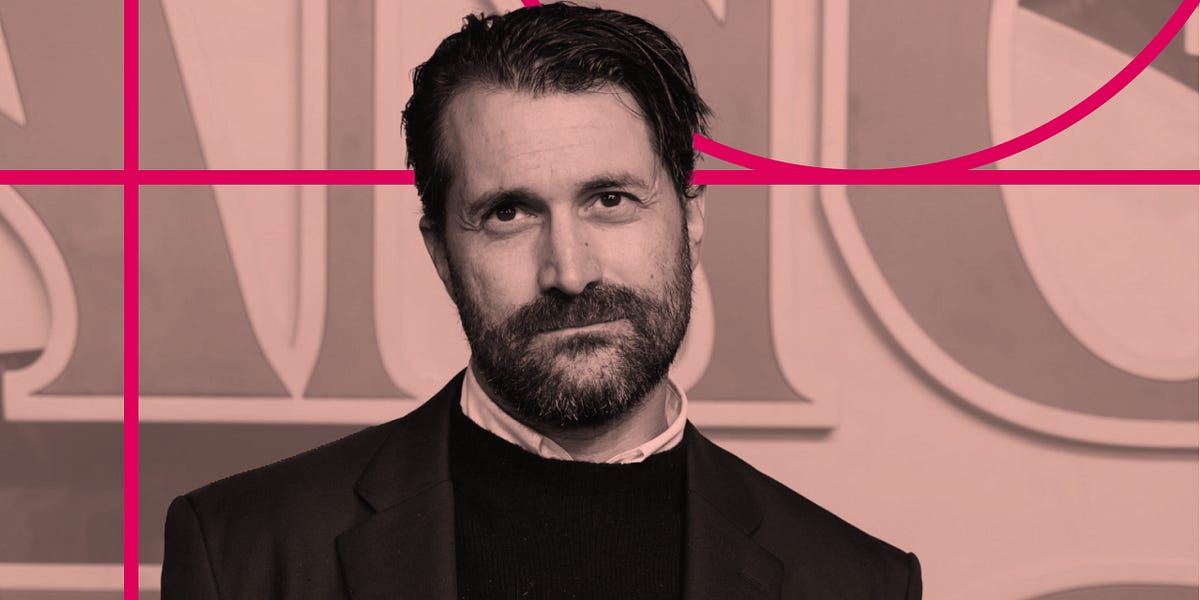
What the Writers' Room Gets Right That Design Teams Often Get Wrong
Design Better
A deep conversation about the Stranger Things writers' room reveals structural parallels to design studios: every scene needs a clear engine, meaningful change must register at every level, and the best creative decisions often come from sitting with critical feedback long enough to find what's actually underneath it — not defending the existing work.
When AI Optimizes for the Measurable and Ignores Everything Else
Dirt
The sharpest version of AI-assisted design failure isn't bad output — it's output that optimizes ruthlessly for what's quantifiable while quietly eroding the qualities that make systems humane and durable, a dynamic city planners have long understood.
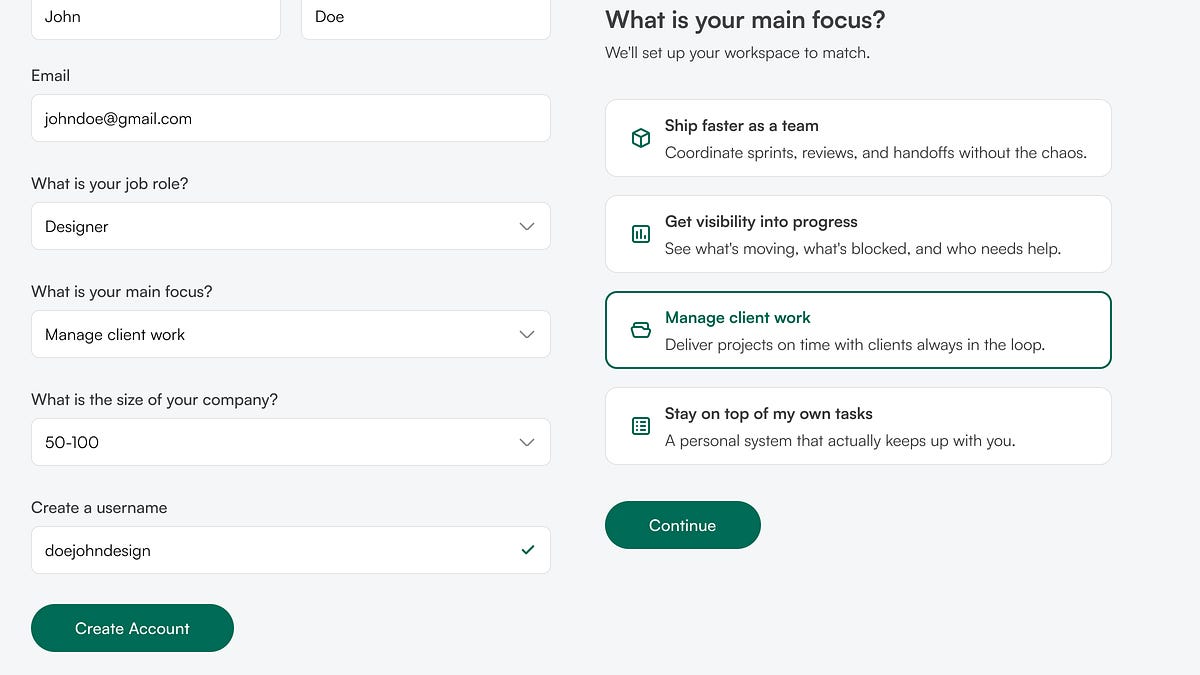
Onboarding as Value Delivery: The Case Against the Signup Form
UX Movement
Reframing the signup experience as an onboarding flow — one that leads with value rather than extraction — produces measurably less friction and better conversion. The mental model shift matters: you're not collecting user data, you're giving users what they need to succeed.
Quick Takes
Claude Design is not a Figma killer today — but it's carving a clear path toward owning the design-adjacent use cases that Figma never prioritized, and that's where the marketshare pressure will come from first.
Design Better →Kimi K2.6 running 300 parallel coding agents for 13 hours straight is a useful forcing function: agentic AI isn't a future scenario anymore, it's a present-tense infrastructure question.
AlphaSignalA developer reverse-engineered and open-sourced Claude's design system — which is either a cautionary tale about design system governance in public-facing products, or a masterclass in how good systems spread.
AlphaSignalGoogle Cloud's framing of 'the human bottleneck' as a key conference theme signals a meaningful shift: the constraint on AI value creation is no longer capability, it's organizational absorption.
Big Technology →Two-column forms impose unnecessary cognitive load and signal low design maturity — single-column flows are faster to complete and feel less like bureaucracy.
UX Movement