The
Morning
Brief
Friday, August 21, 2026
Today's Signal
Today's content circles a shared tension: AI is becoming deeply embedded in knowledge work, but the real leverage isn't the models themselves—it's the execution infrastructure, governance layers, and human expertise built around them. Meanwhile, a persistent gap between perceived AI adoption and actual usage suggests the discourse is running far ahead of reality, shaping how professionals make decisions about where to invest attention and tooling.
Deep Read

Scaling Human Expertise Through AI: When Automation Creates More Demand for People, Not Less
Platformer
A media company trained an AI agent on 30,000 of one editor's historical edits to distribute her editorial judgment at scale—while simultaneously growing headcount. The counterintuitive finding is that automating craft work doesn't eliminate the need for experts; it surfaces new demand for humans who can refine, contextualize, and govern what AI produces. This is a concrete preview of how design systems and creative organizations might evolve: AI as a multiplier of embedded expertise, not a replacement for it.
In the Feed
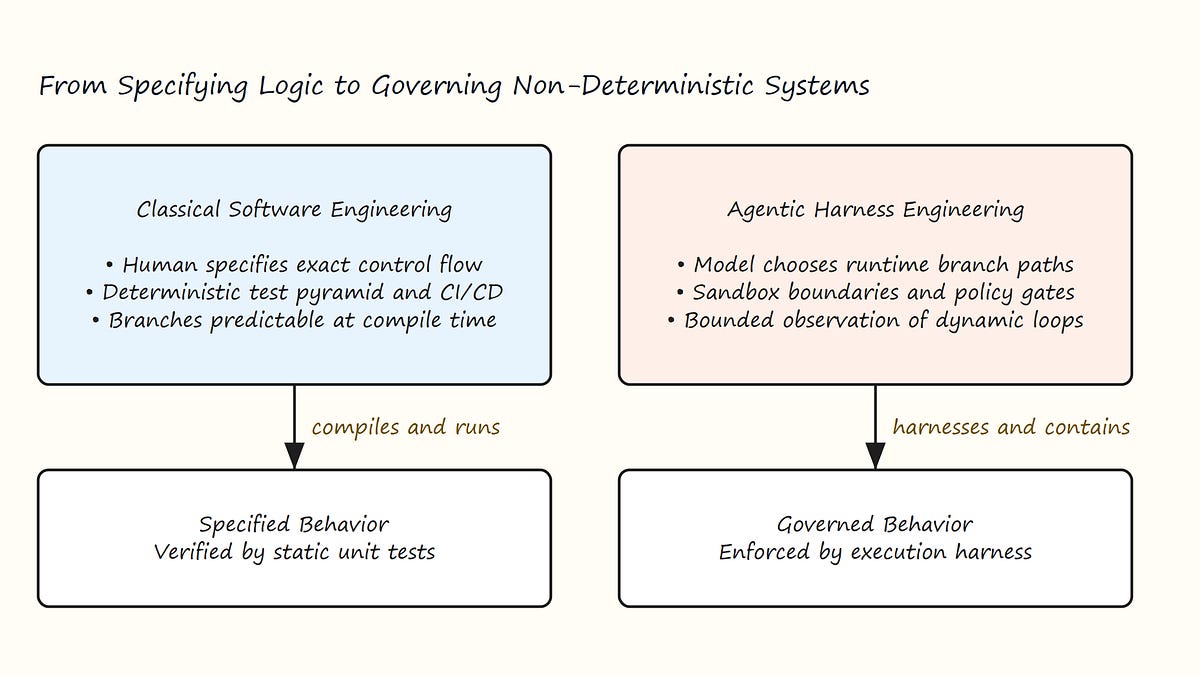
The Harness Is the Product: How Agentic AI Shifts What Engineers Actually Build
Agentic AI
The real reusable asset in agentic systems isn't the chat interface—it's the execution layer handling context assembly, tool invocation, sandboxing, and state. This reframe from 'writing logic' to 'bounding non-deterministic behavior' has direct implications for how design systems and component pipelines will need to evolve as AI agents enter creative workflows.
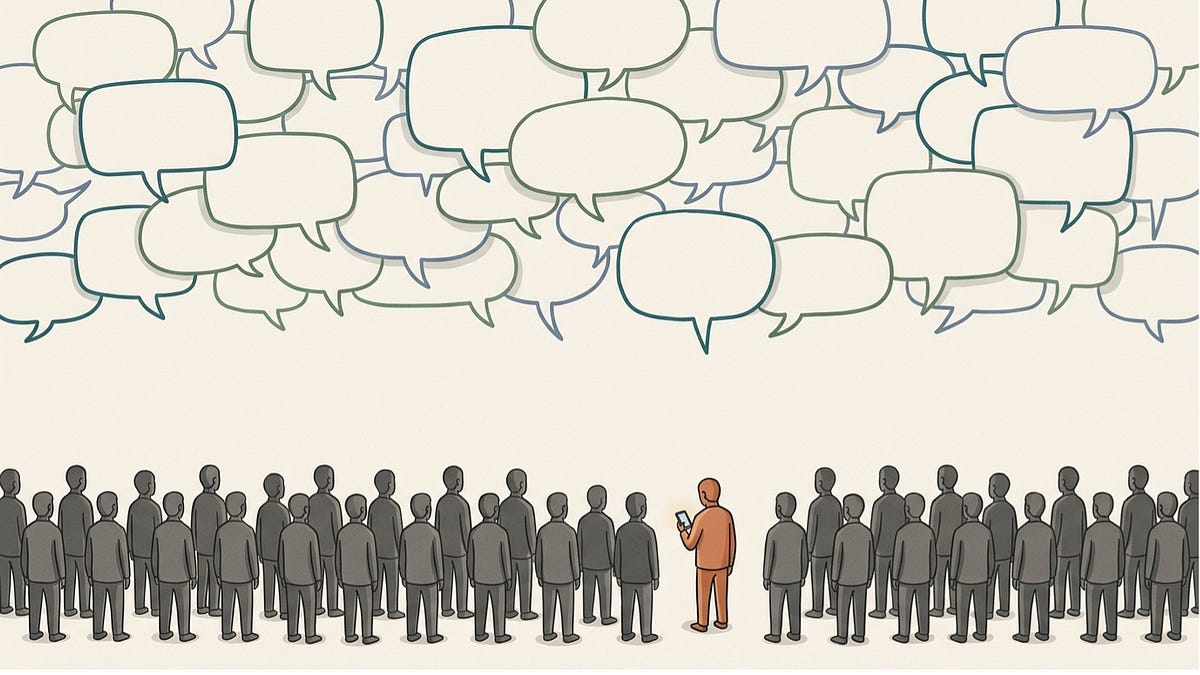
The AI Adoption Gap Is Wider Than the Discourse Suggests
Slow AI
Bank data shows only 2–3% of US households actually pay for generative AI, while half of American adults have never used a chatbot—a striking contrast to how saturated professional conversations feel. Algorithmic amplification of early adopters is manufacturing urgency that outpaces genuine market behavior.
Designing Against Cognitive Bias: Why Vivid Stories Overpower Statistics in UX
Jakob Nielsen
A single compelling anecdote consistently overrides statistical evidence in both users and design teams—a bias with direct consequences for how research findings get interpreted and acted on. The fix is structural: display denominators explicitly, use natural frequencies over percentages, and always pair testimonials with base rates.
Quick Takes
Corporate AI spending is growing at 75% annually, but the actual adoption data tells a far more modest story—the gap between enterprise investment and household usage suggests a bifurcated market where AI tools are concentrating in a narrow stratum of power users and organizations.
UX Roundup →Cursor's autonomous PR management and subagent spawning signals that AI coding agents are crossing from 'assistant' to 'colleague'—a shift that will force design and engineering teams to rethink review, governance, and accountability workflows sooner than most expect.
AlphaSignalSkeleton screens are a perception trick, not a performance fix—and the research on when they actually help is more constrained than their widespread adoption implies.
UX Roundup →The race to remove AI safety guardrails for 'research' purposes—from uncensored Qwen deployments to surgically de-refusaled open weights—is moving faster than the governance frameworks designed to contain the outputs, a pattern that should concern anyone building creative tooling on top of these models.
AlphaSignal