The
Morning
Brief
Wednesday, September 2, 2026
Today's Signal
Today's content circles a central tension: AI is simultaneously a powerful creative amplifier and a structural force that redistributes work, risk, and control in ways that aren't always visible. Beneath the practical techniques for coaxing better outputs lies a deeper question about what designers and knowledge workers actually own when AI handles more of the doing — the system architecture, the taste, the governance. Design systems emerge as a recurring answer: the team that codifies its judgment into reusable, AI-legible structures retains leverage that pure prompt skill cannot.
Deep Read
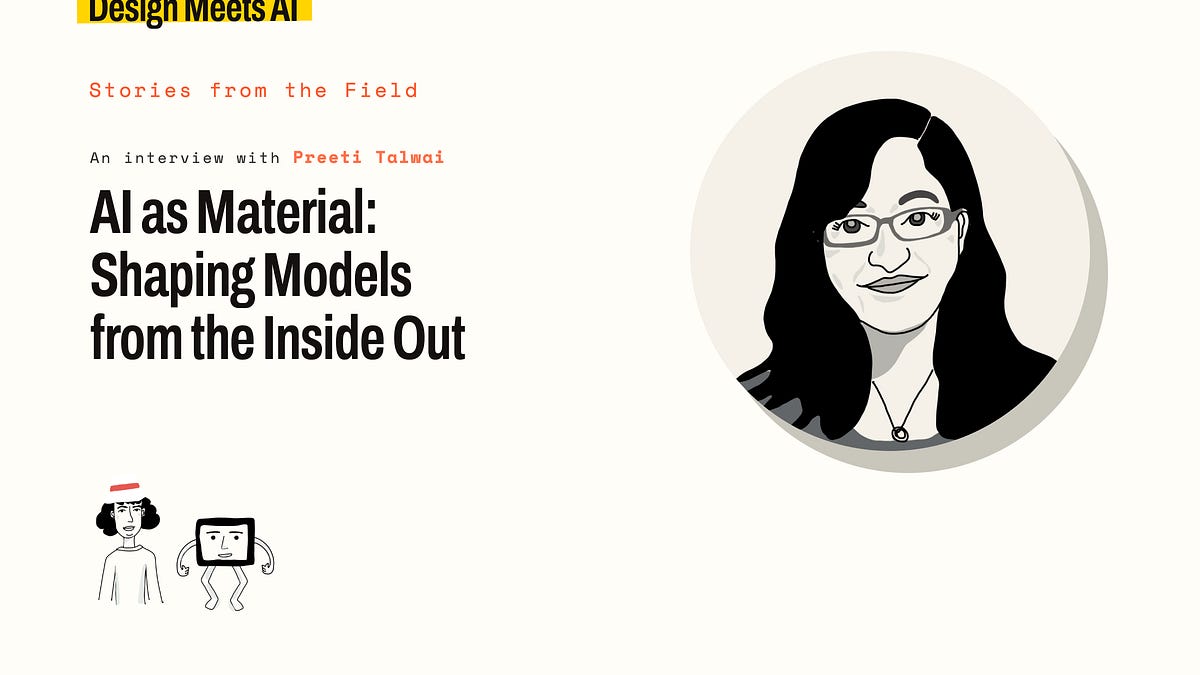
AI as Raw Material: What Happens When Designers Shape Models Instead of Interfaces
Design Meets AI
The most provocative reframe here is that AI is not a finished tool to be handed off to designers — it's an unformed material waiting to be shaped from the inside. That shifts the design challenge from crafting interfaces on top of AI to constructing golden sets, human eval frameworks, and intentional 'brutalist' transparency (surfacing confidence scores, exposing system limits) that bake design judgment directly into the model layer. For design systems practitioners especially, this raises an urgent question: if the interface is increasingly generated, does your real leverage live in the model's training data, not your component library?
In the Feed
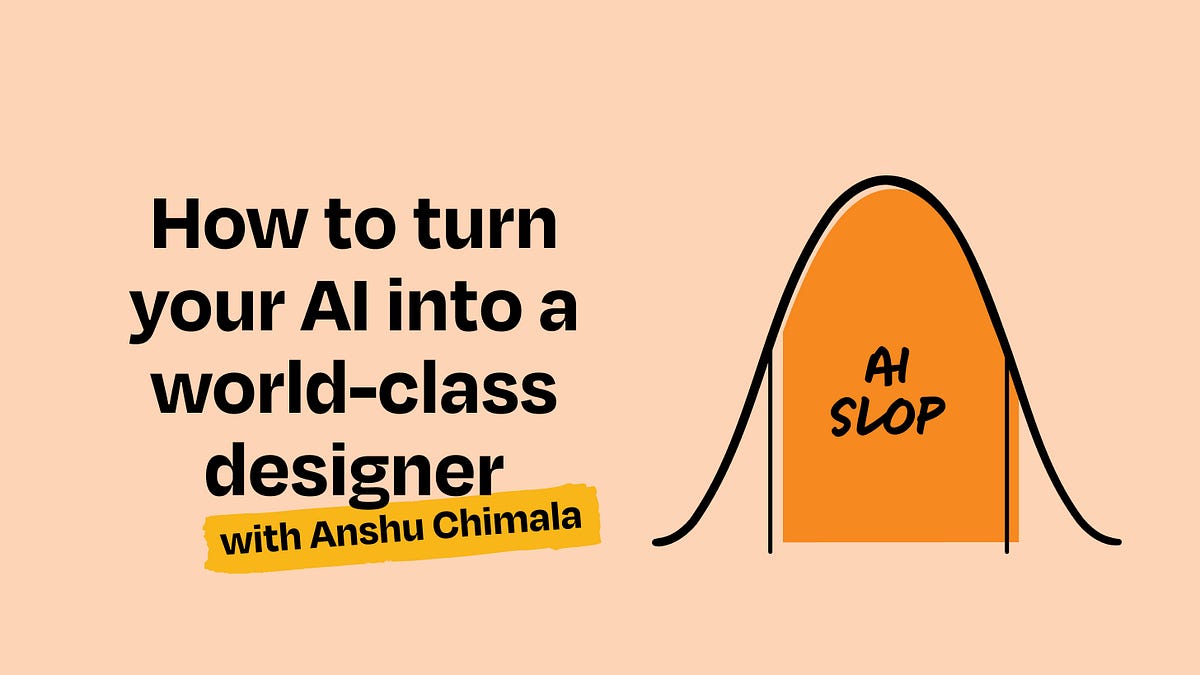
Studio-Quality AI Output Isn't Luck — It's Technique
Lenny's Newsletter
The gap between generic AI design output and distinctive, intentional work comes down to specific methods: seed strings that inject controlled variation, autonomous critic subagents that iterate without human babysitting, and video generation for fluid motion design. Most practitioners are leaving the vast majority of AI's creative range untouched.
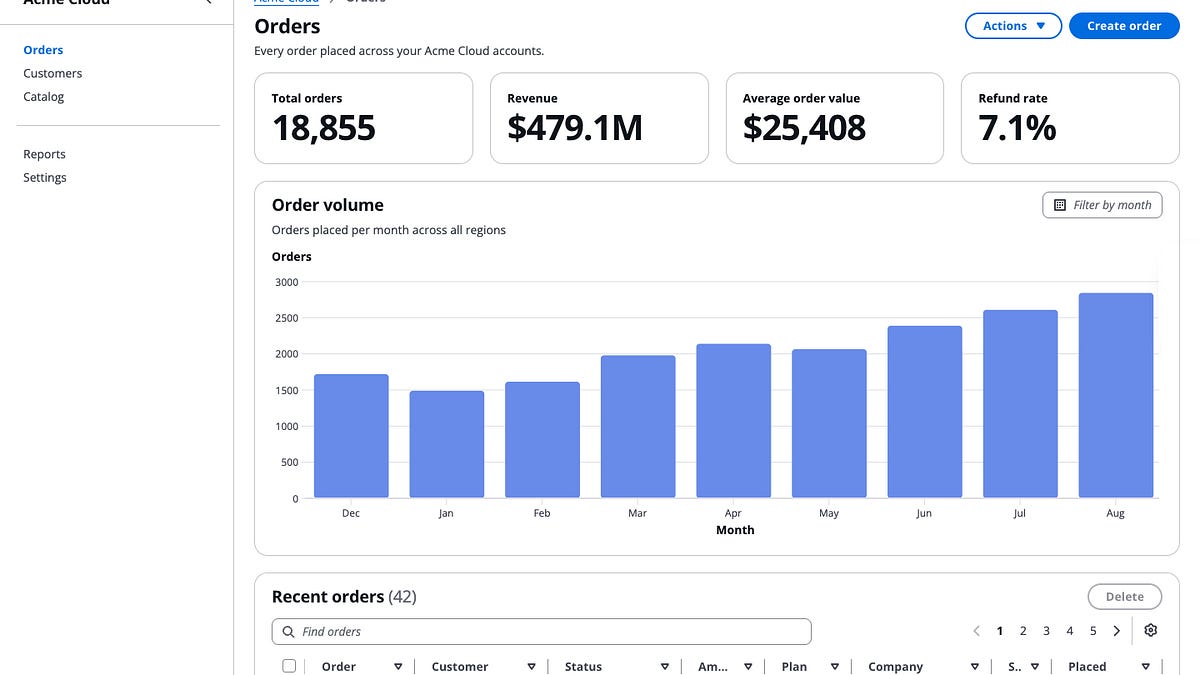
The Design Sandbox: Real Code, Real Components, Zero Production Risk
Design with AI
A stripped-down replica of your production codebase — built on actual design system components — lets designers prototype at full fidelity without touching live systems. The approach collapses the Figma-to-code gap by putting designers inside the real component architecture from the start, with AI-assisted editing as the accelerant.
AI Saves Time, But Organizations Absorb the Savings Before Workers Do
When AI reduces workload, Parkinson's Law kicks in: freed capacity gets filled by new demands before individuals can reclaim it. Feeling lighter is a real experience; working fewer hours is a structural outcome that requires deliberate organizational design to actually occur.
Quick Takes
Runway's Solaris generating UI frame-by-frame with no underlying HTML or CSS isn't a prototyping tool — it's a direct challenge to the assumption that components are the atomic unit of interface design.
AlphaSignalLabeling content as AI-generated does nothing to reduce its persuasive power — only disclosing the AI's intent to persuade cuts the effect in half, which should make every designer rethink what 'AI transparency' actually means in practice.
Jakob Nielsen's UX Roundup →Junior employees are the heaviest AI users by volume while executives remain largely hands-off — meaning the people setting AI strategy have the least direct experience of what these tools actually do at scale.
Jakob Nielsen's UX RoundupMost academic HCI research on AI experience is running on models 2–4 years old, which means the field is systematically studying a technology that no longer exists — a structural lag that will distort design guidance for years.
Jakob Nielsen's UX Roundup