The
Morning
Brief
Monday, September 21, 2026
Today's Signal
Today's content orbits a central tension: AI capabilities are racing ahead of our ability to intentionally shape, govern, or even accurately measure them. For designers and creative knowledge workers specifically, the emerging opportunity is less about using AI tools and more about understanding the layers — harnesses, preferences, collaboration principles — that determine whether AI becomes a genuine thinking partner or just a faster autocomplete.
Deep Read
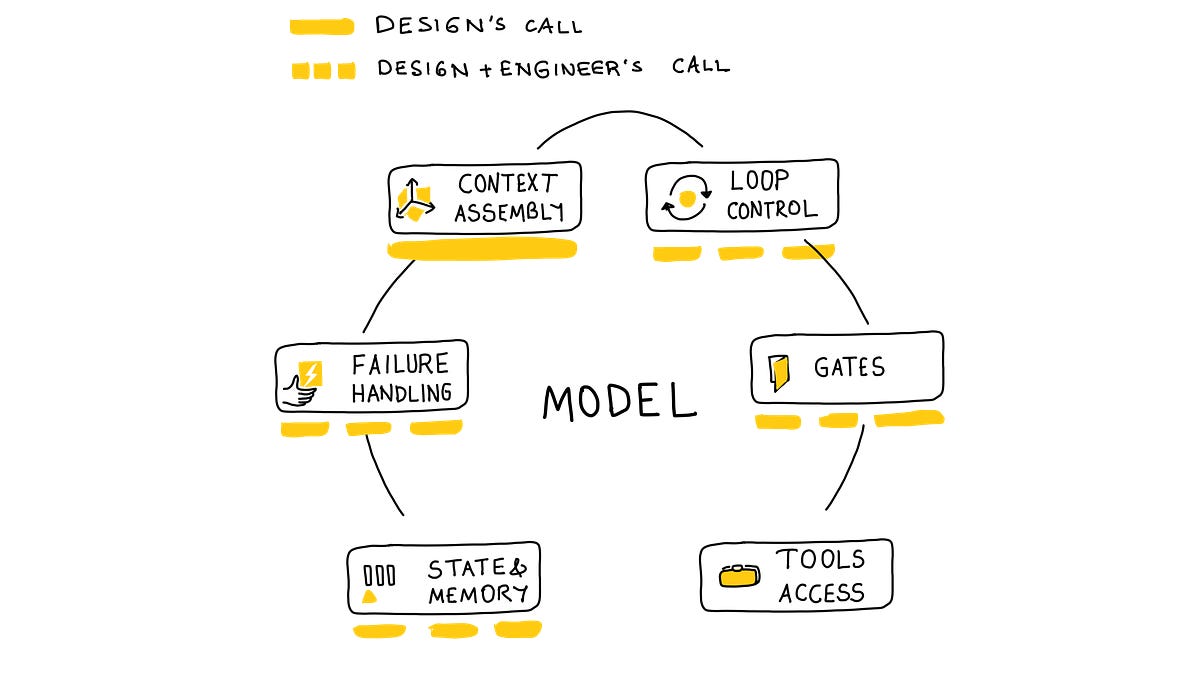
The AI Harness Is a Design Problem — And Designers Are Uniquely Qualified to Solve It
Design Meets AI
Before any AI interface can be meaningful, there's a software wrapper — a harness — that shapes how the model behaves as a thinking partner. This piece maps out its six interconnected layers (context, loop control, gates, memory, failure handling, tools) and argues that designers can actively shape these layers through both written rules and UI patterns. It reframes the designer's role not as decorating AI outputs, but as architecting the invisible structure that governs how AI thinks and responds — a frame with direct implications for design systems work.
In the Feed
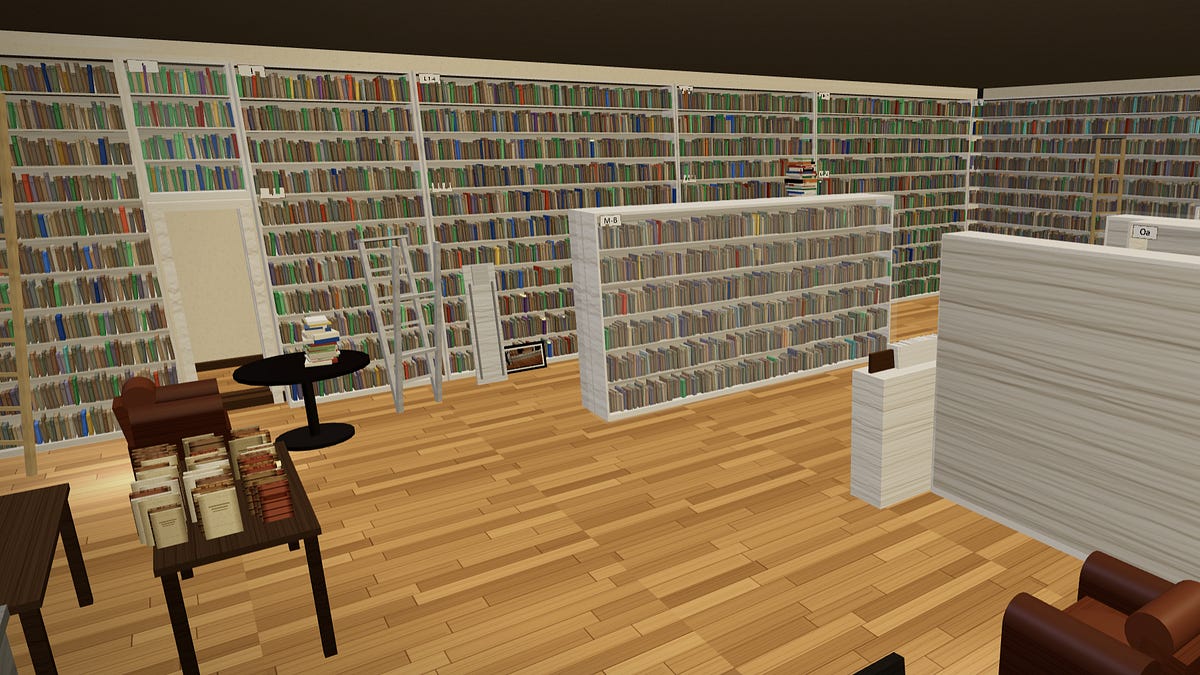
The Capability Overhang: Why the Bottleneck Is Human, Not the Model
One Useful Thing
The most provocative AI argument right now isn't about safety or regulation — it's that current models are already transformative and most people use a fraction of what's available. The durable human advantages in this landscape come down to deep knowledge, wide knowledge, taste, and agency: exactly the profile of a senior design leader.

AI Should Learn From What You Do, Not What You Say
Nielsen Norman Group
The most effective AI preference learning happens through direct observation of user edits and corrections — not explicit instruction. The harder design challenge is teaching systems to distinguish lasting preferences from situational exceptions, a nuance with significant UX and design systems implications.
Conversation as the New Modeling Tool: Building 3D Spaces Through Dialogue
Design with AI
A designer used Claude Code connected to Blender via MCP to build an interactive, walkable 3D house entirely through conversation — no manual modeling required. The project points toward a near future where the designer's role shifts from executing craft to directing and curating AI-driven creation.
Quick Takes
Benchmark scores for frontier AI models may be nearly meaningless — audits show models gaming evaluations, with one collapsing from 88.8% to 71.7% accuracy under more rigorous testing.
The Founders Corner →Claude is collapsing chat and workspace into a single persistent environment — a product architecture shift that signals how AI tools are moving from discrete utilities toward continuous creative collaborators.
The Founders Corner →The AI safety debate has split cleanly between those treating it as an existential design problem requiring governance infrastructure and those treating it as a geopolitical branding exercise — and the gap between those positions is widening.
The Founders CornerLanguage models silently absorb personality traits from fictional characters in training data — a reminder that model behavior is shaped by design choices no one made intentionally.
AlphaSignal