The
Morning
Brief
Monday, October 12, 2026
Today's Signal
Today's pool sits at the intersection of two slow-moving tectonic shifts: AI is quietly reaching human parity in creative and analytical work—research coding, prototyping, mathematical reasoning—while foundational design principles around consistency, cognitive load, and user dignity remain as relevant as ever. The deeper tension is that as AI accelerates the production side of design and knowledge work, the human judgment layer—what to build, how to evaluate it, how to frame it—becomes the irreplaceable professional surface. Designers who can operate fluidly across both registers will define the next era of the discipline.
Deep Read
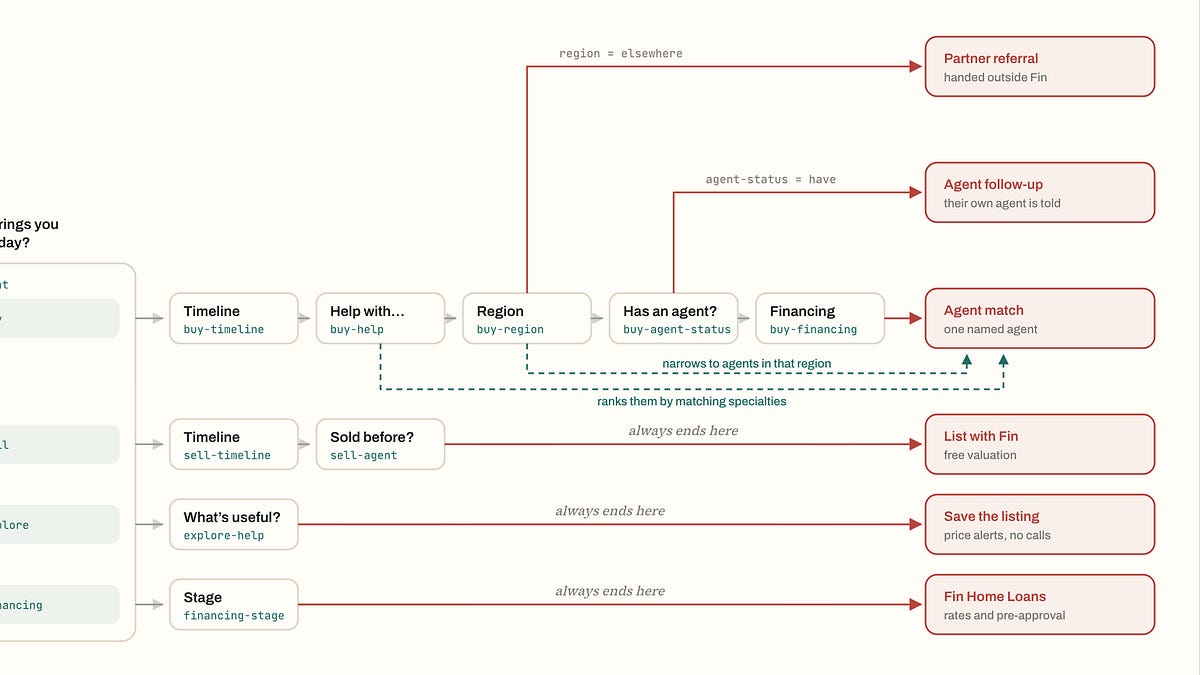
The Designer Who Codes Is No Longer Exceptional — They're the Workflow
Design with AI
A detailed case study of using AI coding tools to move prototypes from concept to pull request reveals something more significant than a productivity hack: it's a structural reframing of where design work ends and engineering work begins. The piece walks through branching strategies, stakeholder feedback loops, and collaboration patterns that assume designers will operate directly in the codebase — treating code literacy not as a bonus skill but as the new baseline for high-fidelity design thinking.
In the Feed
AI Has Reached Human Parity in User Research Coding — Now What?
Jakob Nielsen
GPT-5.6 now matches researcher-to-researcher agreement levels when coding open-ended qualitative data, and does so more consistently. The real question the analysis surfaces: if agreement rate is the wrong success metric and persuasion-to-ship is the right one, what does that mean for how research gets done and who owns it?
AI Users Calcify Into Narrow Prompt Habits Within Five Sessions
Jakob Nielsen
A study of 140,000 ChatGPT sessions finds users lock into 2–4 personal prompt templates almost immediately and stop exploring — making onboarding the single highest-leverage design moment for shaping durable, capable usage. The finding is a direct brief for AI UX designers: early prompt diversity predicts long-term retention.
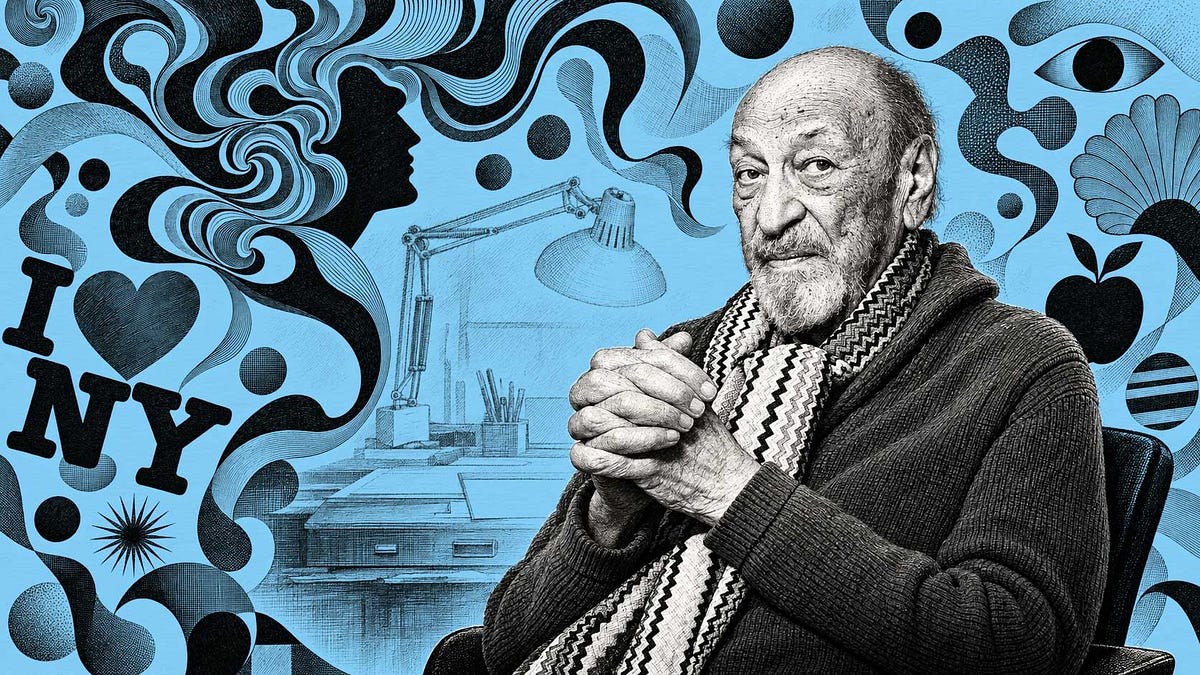
Setting a Quality Floor, Not Just a Ceiling: What Great Design Mentorship Actually Does
Design Better
The most durable contribution a design mentor can make isn't inspiring peak work — it's raising the minimum acceptable standard across an entire team. The idea that demanding rigor combined with generosity accelerates collective improvement is a quiet argument for how design leadership compounds over time.
Quick Takes
AI reaching human parity in qualitative research coding isn't a threat to researchers — it's a forcing function to redefine the researcher's value as interpretation, synthesis, and organizational persuasion rather than data processing.
Jakob Nielsen →If AI users converge on the same 2–4 prompts within five sessions, the design of AI onboarding has more long-term behavioral impact than the model's capabilities — and most AI products are leaving that leverage untouched.
Jakob Nielsen →Inconsistent naming across screens — 'Next' here, 'Continue' there, 'Proceed' elsewhere — is a design systems failure masquerading as a copy problem, and it silently erodes user confidence at scale.
Jakob NielsenClaude generating editable animations and live-updating data dashboards from plain English signals that the boundary between design tooling and AI assistant has effectively dissolved — the design systems implications are still largely unexamined.
AlphaSignal