The
Morning
Brief
Tuesday, October 27, 2026
Today's Signal
AI is reshaping creative and design work not just through capability, but through the friction it creates at system boundaries and the attention it demands as a collaborator. Across today's content, a consistent tension emerges: tools that accelerate within their own context often fail at the handoffs between systems, between human and machine, and between promise and delivery. The most durable design advantage may be in architecting these seams—not just the pixels or the prompts.
Deep Read

Reddit's Internal Prototyping Platform Is a Blueprint for What Design Systems + AI Actually Look Like in Practice
Lenny's Newsletter
Reddit built its own AI-assisted prototyping tool that connects real user data, design-system components, and automated Figma-to-code workflows into a single environment—achieving full adoption across design and product. This is the clearest real-world example of a design system functioning as infrastructure rather than artifact: when tokens and components are mapped directly to production code and AI fills the gap between intent and implementation, the system becomes the moat. The implications for how design systems teams should think about their charter—less style guide, more living API—are significant.
In the Feed
The Human–AI Team Is the Unit of Design—Stop Treating Them as Separate Systems
Jakob Nielsen's UX Roundup
Framing AI collaboration as a joint cognitive system rather than a handoff between tools reveals why so many integrations fail: when AI handles the routine 95% and then abruptly returns control during a complex edge case, the seam itself is the design failure. Shared predictability and common situational awareness between human and machine aren't soft goals—they're the architecture.
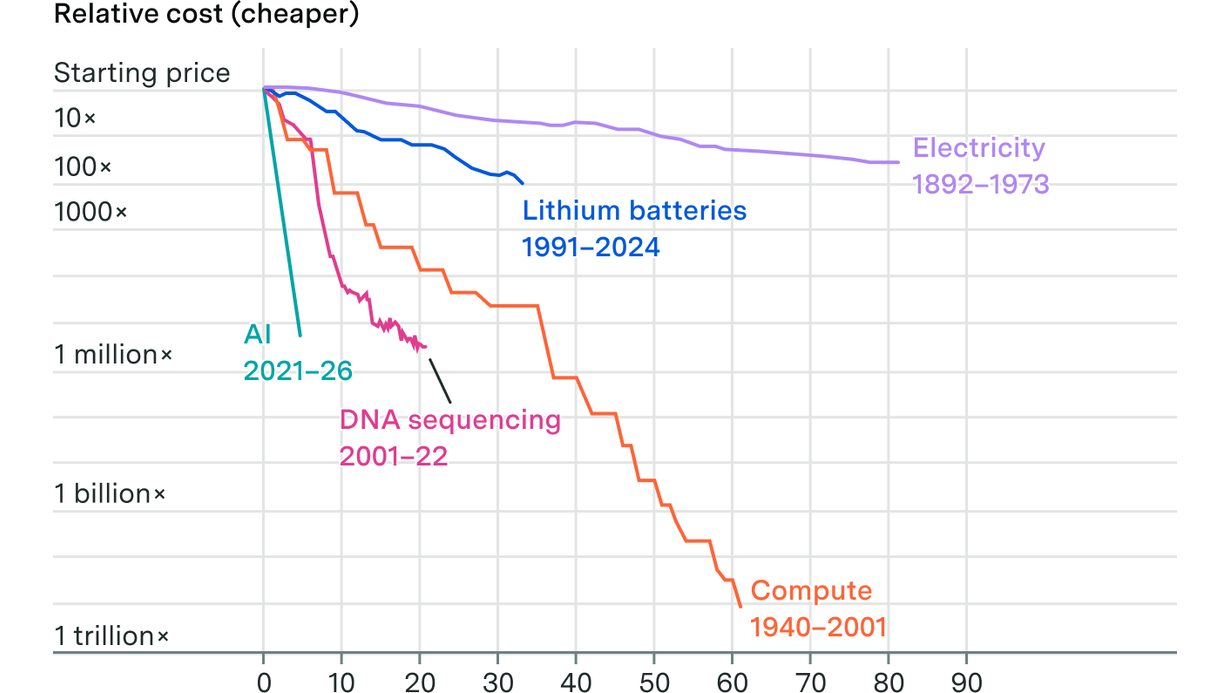
AI Adoption Among Creatives Has Hit an Inflection Point—and the Work Is Changing Shape
Jakob Nielsen's UX Roundup
With 70% of creative professionals now using AI tools, adoption is no longer the story—what's emerging instead are new service categories like workflow design and creative direction that didn't exist before. The productivity gap between adopters and non-adopters is widening, and the nature of the work creatives are selling is structurally shifting.
AI Speed Is an Illusion If You're Still the Duct Tape Between Systems
Jakob Nielsen's UX Roundup
Gains from AI acceleration inside a single tool are routinely erased by the manual work of transferring outputs across disconnected systems—formatting, reconciling, correcting. The right measure isn't how fast the AI step runs, but total end-to-end completion time including every human patch in between.
Quick Takes
A design system mapped to production code isn't just an efficiency play—it's the prerequisite for AI-assisted workflows that actually ship.
Lenny's Newsletter →Proactive AI suggestions are only as good as their timing—an interruption that shatters working memory costs more than the suggestion is worth.
Jakob Nielsen's UX RoundupCarousels are a design systems governance problem disguised as a UI pattern—they survive because no one in the org has the authority to make a single prioritization call.
Jakob Nielsen's UX RoundupThe creative professionals gaining most from AI aren't using it to go faster—they're using it to offer entirely new services that didn't exist in their category before.
Jakob Nielsen's UX Roundup →