The
Morning
Brief
Friday, October 30, 2026
Today's Signal
A through-line emerges across today's content: AI is dissolving the assumed boundaries of design work — between designer and engineer, between tool-user and tool-maker, between specialist and generalist. Simultaneously, the profession is being pushed to ask harder questions about what only human judgment can provide, as AI commoditizes execution and forces clarity about what craft and domain expertise actually mean. The roles, titles, and workflows that defined design practice are being renegotiated in real time.
Deep Read
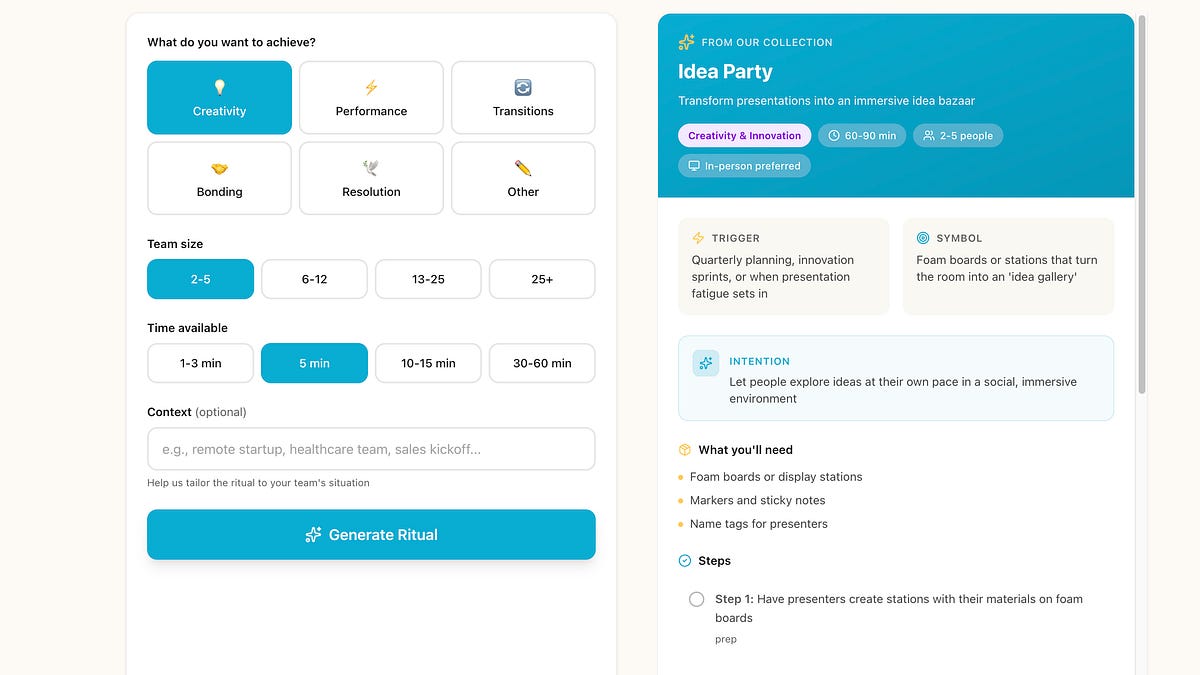
AI Makes Anyone a Tool-Maker — But Only Expertise Decides If the Tool Is Worth Making
Design Meets AI
Lowered barriers to building tools with AI reveal a more fundamental question: how do you know the tool you've created is actually good? Reflecting on three distinct tools built with AI assistance — spanning ritual design, user research, and musical experimentation — this piece argues that the real leverage isn't in the building but in the judgment that precedes it. Domain knowledge and design thinking aren't replaced by AI; they become the differentiating layer that determines whether a tool serves a genuine human need or merely exists because it could be made.
In the Feed
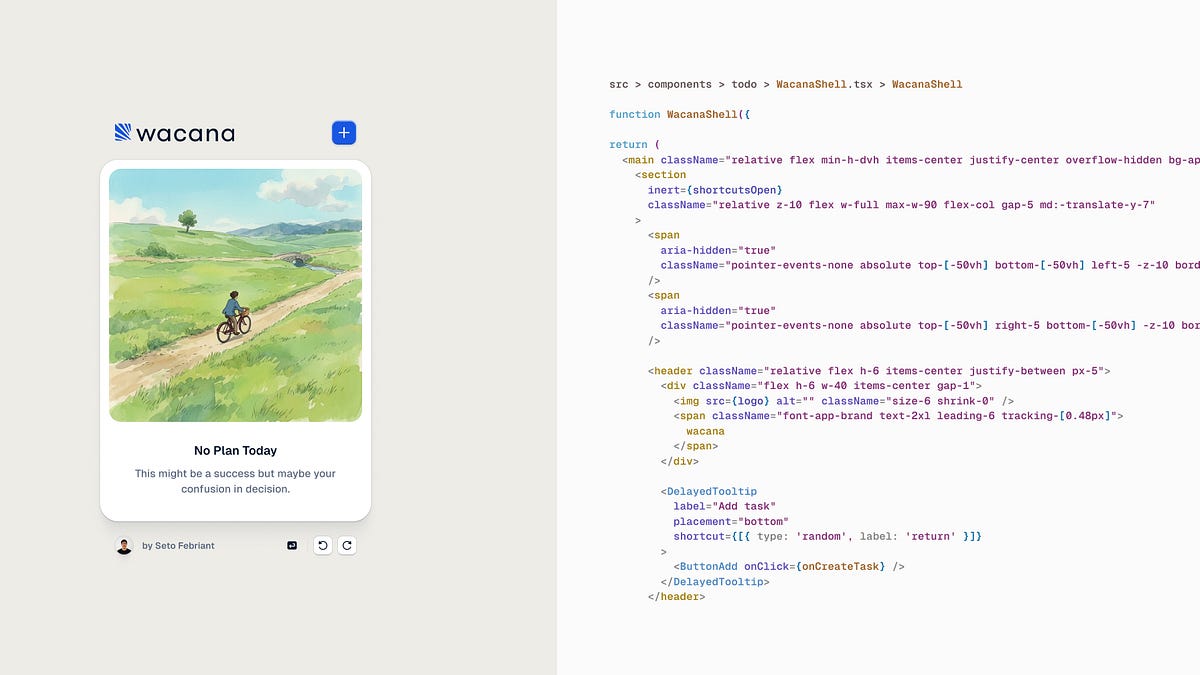
The Design Engineer Boundary Is Dissolving — One Designer's First Attempt at Crossing It
Seto Febriant
Using AI to design, build, and ship a product end-to-end without a handoff reveals something important: the practical distance between design conception and working implementation is shrinking fast, and the emerging 'design engineer' role may be less a new title than a new expectation.
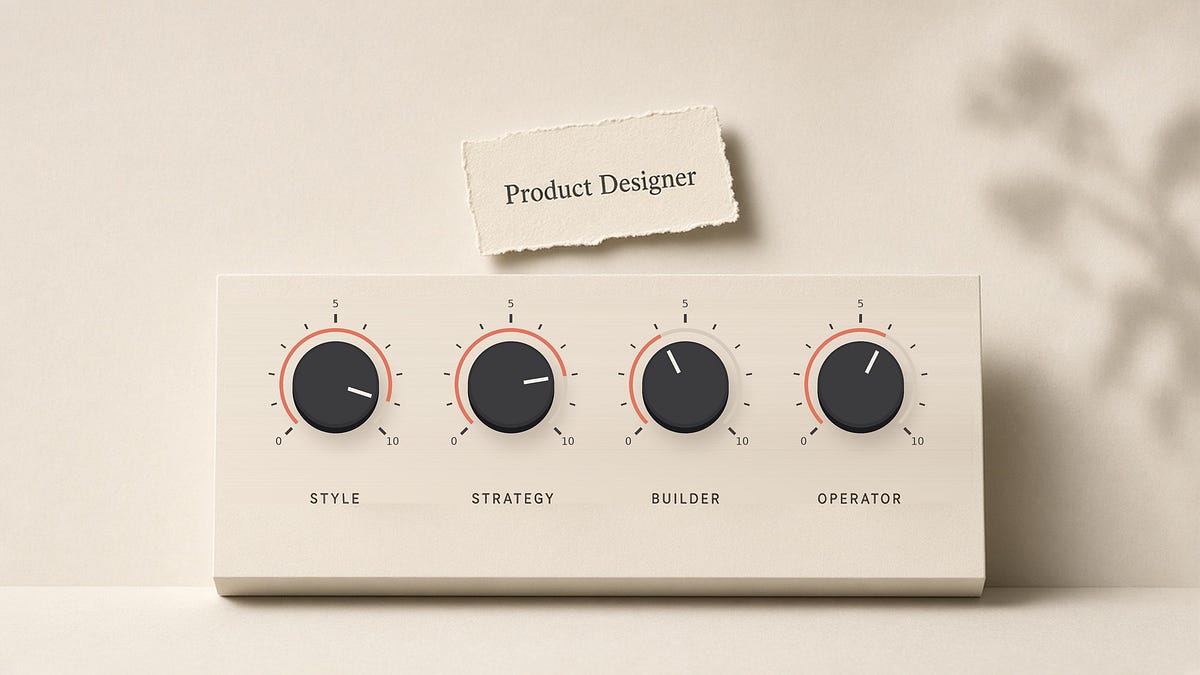
The 'Product Designer' Title Has Become Meaningless — And That Signals Something Bigger
Formative: Product, Design & AI
When a job title can describe someone building identity systems and someone else shipping consumer product flows, the title has stopped doing any real work. The fragmentation of what 'product designer' means is less a labeling problem and more a signal that the profession is genuinely diverging into distinct practices.
Claude Code Can Now Reverse-Engineer Award-Winning Sites — What That Means for Design Value
Ruben Hassid
A workflow once requiring deep specialist expertise and five-figure budgets can now be executed in under an hour using AI prompting — suggesting that the replication of visual and functional design patterns is rapidly approaching commodity territory, and that the moat is shifting elsewhere.
Quick Takes
If AI can replicate award-winning design execution in an hour, the differentiated value in design work has fully migrated upstream — into taste, strategy, and the judgment of what's worth building at all.
Ruben Hassid →The carousel persists in the wild not because designers believe in it but because it absorbs political pressure — a pattern that should make any design systems leader uncomfortable about how many other 'standard components' exist for the same reason.
Jakob Nielsen's UX RoundupCS enrollment dropping 12% as students pivot to AI and data science specializations is the labor market signaling, with unusual clarity, that general software engineering is being repriced downward.
Platformer →The design profession is simultaneously fragmenting by specialization and collapsing by AI-enabled execution — two forces that together are making traditional role definitions structurally unreliable.