The
Morning
Brief
Wednesday, June 17, 2026
Today's Signal
Today's content circles a central tension: AI tools are becoming infrastructure designers work within, not just features they use — and the real leverage lies in understanding what's underneath the surface (guardrails, judgment, system design) rather than chasing the outputs. Alongside this, a quieter thread runs through pieces on workflow resilience and UX for new generations: the designers who will thrive are those who preserve human judgment even as they automate around it.
Deep Read
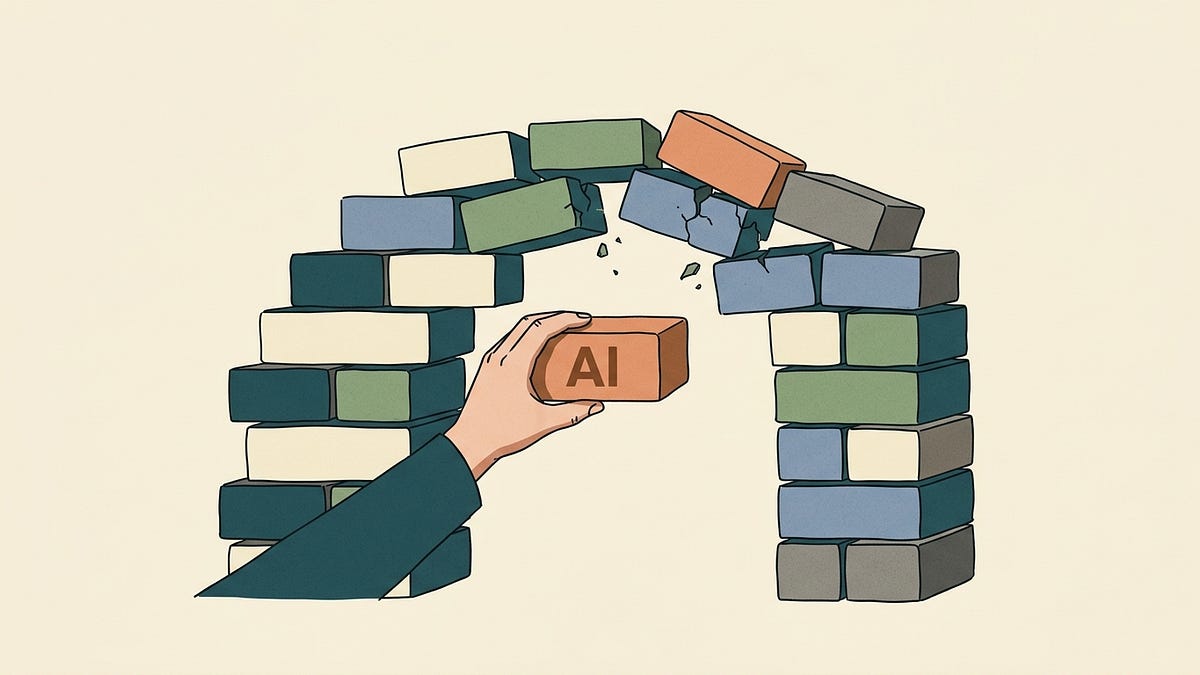
When Your AI Tool Disappears, What's Left?
Slow AI
Workflows built entirely around a single AI model are fragile by design — models get deprecated, banned, repriced, or simply fail. Drawing on automation research, this piece makes a compelling case that over-reliance on any specific AI tool quietly erodes the underlying human judgment needed to recover when it's gone. The prescription isn't less AI, but portable, judgment-preserving workflows that can survive any model's absence — a directly relevant frame for design systems teams building Figma-to-code pipelines on today's tooling.
In the Feed
The Real Product Is the Guardrails, Not the Generation
AlphaSignal
An analysis of Claude Code reveals that roughly 98% of its functional code is traditional software engineering — validation logic, guardrails, control mechanisms — not AI generation itself. This reframes where product value actually lives in AI tooling, with direct implications for how design systems teams should think about AI-assisted pipelines.
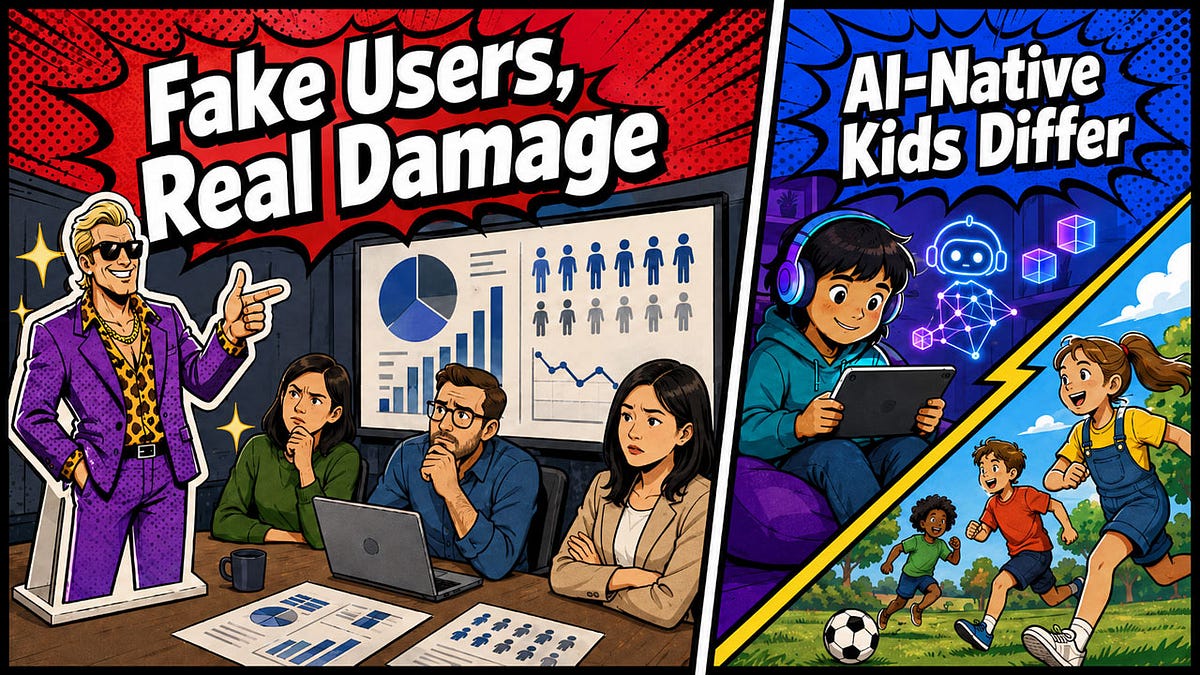
Generation Alpha Isn't Just Younger Gen Z — and That Changes Everything About UX
Jakob Nielsen's UX Roundup
The first AI-native generation is actively pushing back on passive screen consumption through parental boundaries, physical play, and social gaming — defying assumptions designers inherited from Gen Z research. Designing for this cohort means rethinking dark patterns and screen-maximizing defaults entirely.
AI Filmmaking Is Finding Its Own Visual Grammar
Big Technology
Runway's expanded partnership with Lionsgate and its annual AI film festival signal that AI video is maturing past novelty — filmmakers are now developing aesthetic styles native to the medium rather than mimicking traditional cinematography. The economics and creative possibilities are evolving fast enough that this is becoming a serious design and visual craft conversation.
Quick Takes
If your design-to-code pipeline depends entirely on one AI tool, you're not building a system — you're building a dependency.
Slow AI →The insight that 98% of Claude Code is conventional engineering — not AI magic — is the clearest argument yet that your design system's structure and tokens are the actual moat, not whichever model sits on top.
AlphaSignalVibecoding with Claude Code is genuinely useful for designers as a rapid prototyping layer — but the practical ceiling is clear: it works best when you already have a design system to hand it.
Design with AI →The open-source AI attribution crisis — illustrated by Rio 3.5 being an uncredited model blend — is a preview of the governance problems design tooling ecosystems will face as AI-generated components proliferate without clear provenance.
AlphaSignal