The
Morning
Brief
Friday, June 19, 2026
Today's Signal
AI is rapidly closing the gap between design intent and implementation—whether by importing real design systems into generative tools or by forcing designers to rethink what 'oversight' and 'control' mean when the systems they govern are no longer static components but autonomous agent collectives. Across today's content, the through-line is that the designer's role is shifting from pixel-pushing to system stewardship: governing boundaries, enforcing standards, and maintaining human legibility inside increasingly autonomous pipelines.
Deep Read

When the Interface Is a Swarm: UX's Existential Design Problem
Jakob Nielsen
DeepMind's four-pathway model toward superintelligence—scaling, paradigm shifts, recursive self-improvement, and multi-agent collectives—reveals that the most likely near-term form of superintelligence isn't a single godlike system but a swarm of coordinated agents. This reframes UX design's core problem: instead of designing control panels for one system, designers must now think about collective steering mechanisms, memory boundaries, and human oversight architectures for evolving agent institutions. It's arguably the most consequential design brief the field has ever faced.
In the Feed
Claude Design Now Validates Against Your Actual Design System—Not an Invented One
AlphaSignal
Anthropic's update lets Claude Design ingest a real design system via GitHub, design files, or direct upload, then validate generated UI components against it before delivery—directly addressing the chronic failure mode of AI-generated interfaces that confidently ignore brand standards and token conventions.
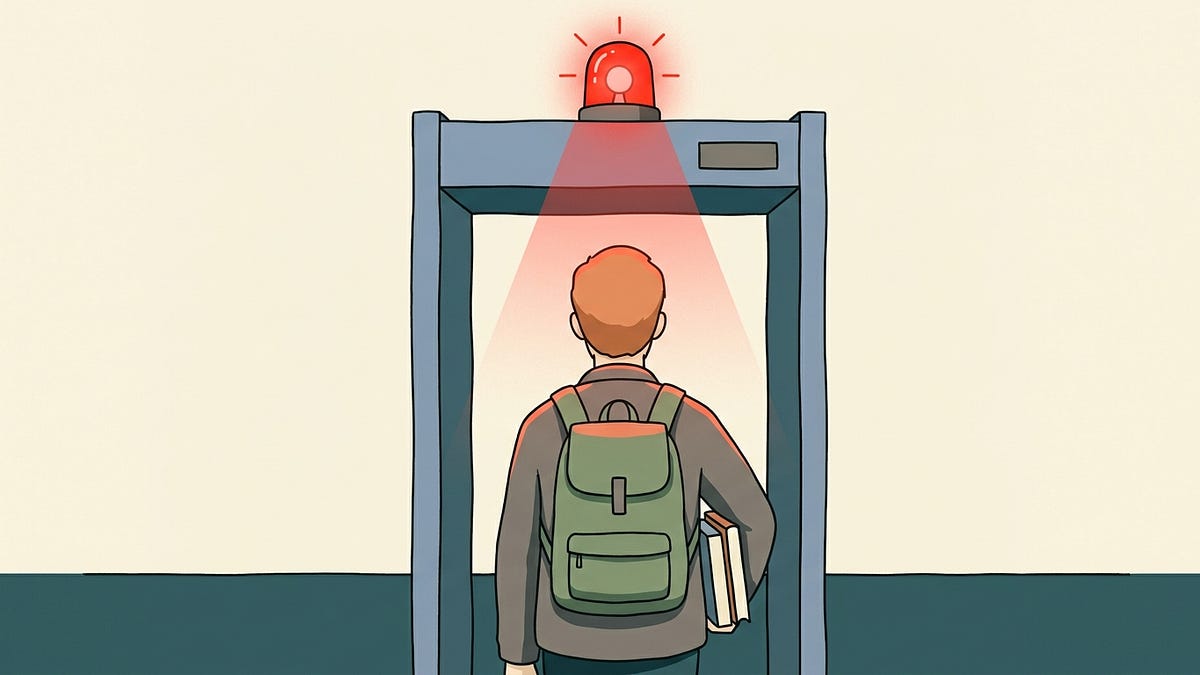
AI Detection Is Mathematically Doomed—and Fixing It Would Be Worse
Slow AI
The core argument here isn't just that detection tools are inaccurate—it's that they're unfixable at a mathematical level, and even a perfect detector would perversely convert teaching into surveillance. For design teams building AI-assisted workflows, this is a useful lens: the right response to AI integration isn't detection and policing, but rethinking the process entirely.
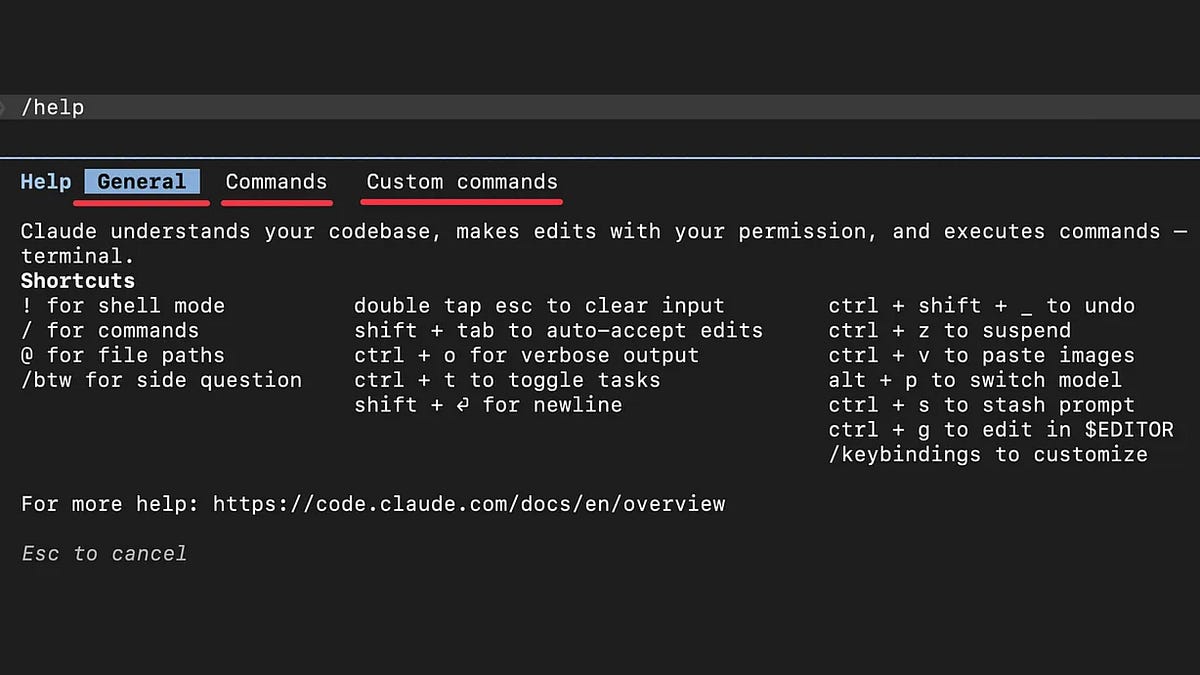
14 Claude Code Commands Worth Embedding Into Your Design Workflow
Design with AI
A practical, scenario-driven breakdown of the Claude Code commands most useful for designers—covering planning modes, session recovery, and text shortcuts—that bridges the gap between AI capability and everyday creative-technical work.
Quick Takes
Claude Design importing real design systems isn't a convenience feature—it's the first signal that AI-generated UI might finally be governable by the same token and component standards design systems teams have spent years building.
AlphaSignalThe shift from designing interfaces to designing governance structures for agent swarms is the most underappreciated design discipline challenge of the next decade.
Jakob Nielsen →Midjourney's pivot from text-to-image to full-body medical ultrasound scanners is a reminder that the most disruptive moves in AI rarely look like linear extensions of what came before.
AlphaSignalThe real design systems moat isn't the tokens themselves—it's the institutional discipline to make any tool, including AI, enforce them consistently at the point of generation rather than after the fact.
AlphaSignal