The
Morning
Brief
Thursday, July 2, 2026
Today's Signal
AI's growing influence on design and creative work is inseparable from the broader question of governance — who controls frontier models, under what rules, and with what consequences. Beneath the tactical noise of new tools and benchmarks, today's content surfaces a deeper tension: the most durable creative and technical systems tend to emerge from constraints, whether self-imposed or structural, while unconstrained AI capability is precisely what regulators are now scrambling to manage.
Deep Read
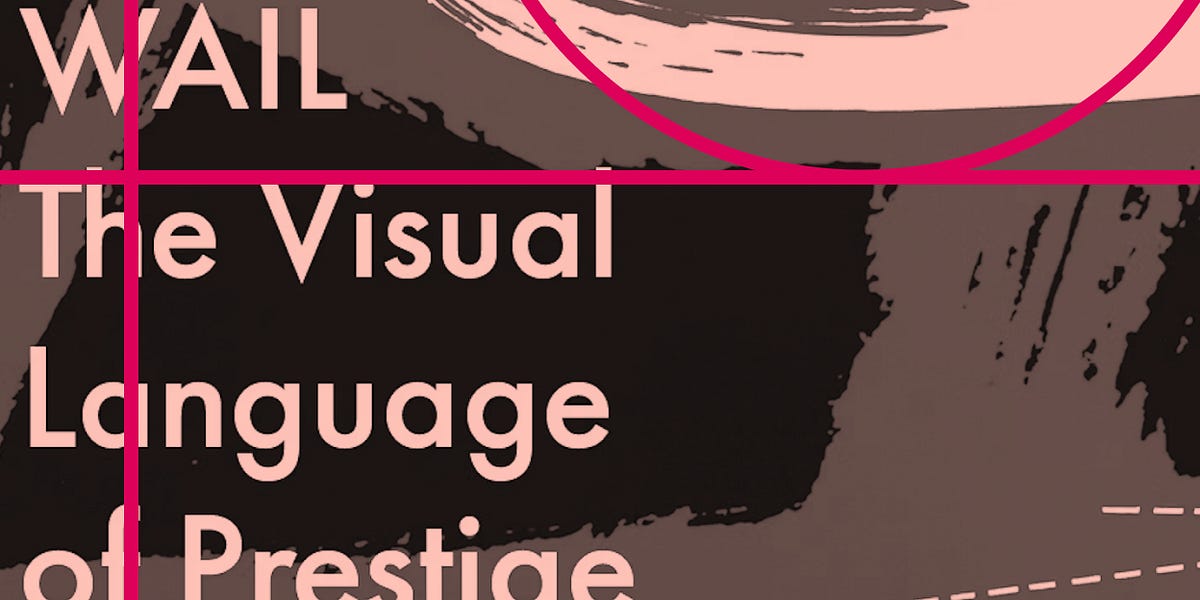
The Constraint Was the Brief: What Prestige Records Teaches Designers About Enduring Work
Design Better
With no budgets, no creative briefs, and minimal direction, the designers behind Prestige Records' iconic jazz covers turned scarcity into a design philosophy — leaning on raw typography and direct photography to produce work that outlasted well-resourced peers. For design system thinkers, this is a useful provocation: the most coherent, lasting visual languages often emerge not from total creative freedom but from intelligent limits that force clarity of intent and economy of means.
In the Feed

Two Years of AI Video Generation in One Comparison — The Craft Gap Is Closing Fast
Jakob Nielsen's UX Roundup
A side-by-side remake using current generative media tools reveals how quickly AI video, music, and animation quality has advanced, with native 4K and coherent composition likely within two years — a signal for designers that generative media is becoming a legitimate creative production layer, not just an experiment.
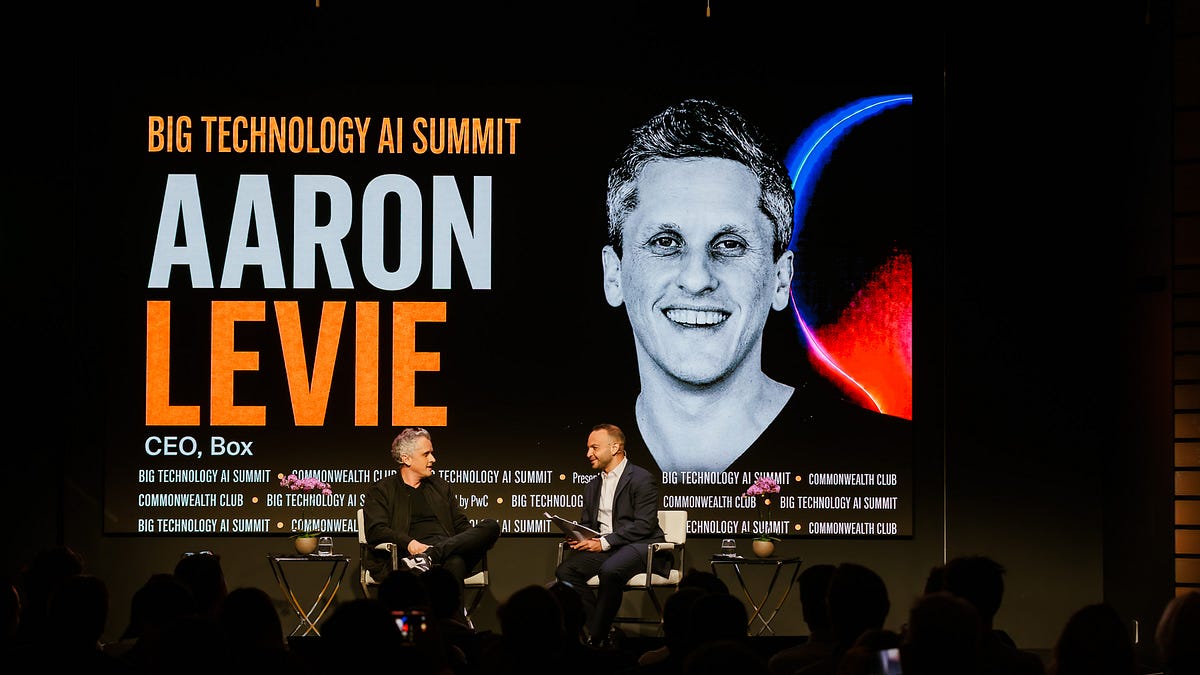
AI Spending Is Accelerating, Not Plateauing — and the Problems Are Getting Harder
Big Technology
Leaders at a major AI summit converged on a counterintuitive finding: as AI becomes more capable, companies are deploying it on costlier, more complex problems, which drives budgets up rather than down — reshaping how design and product teams should think about where AI leverage actually lives.
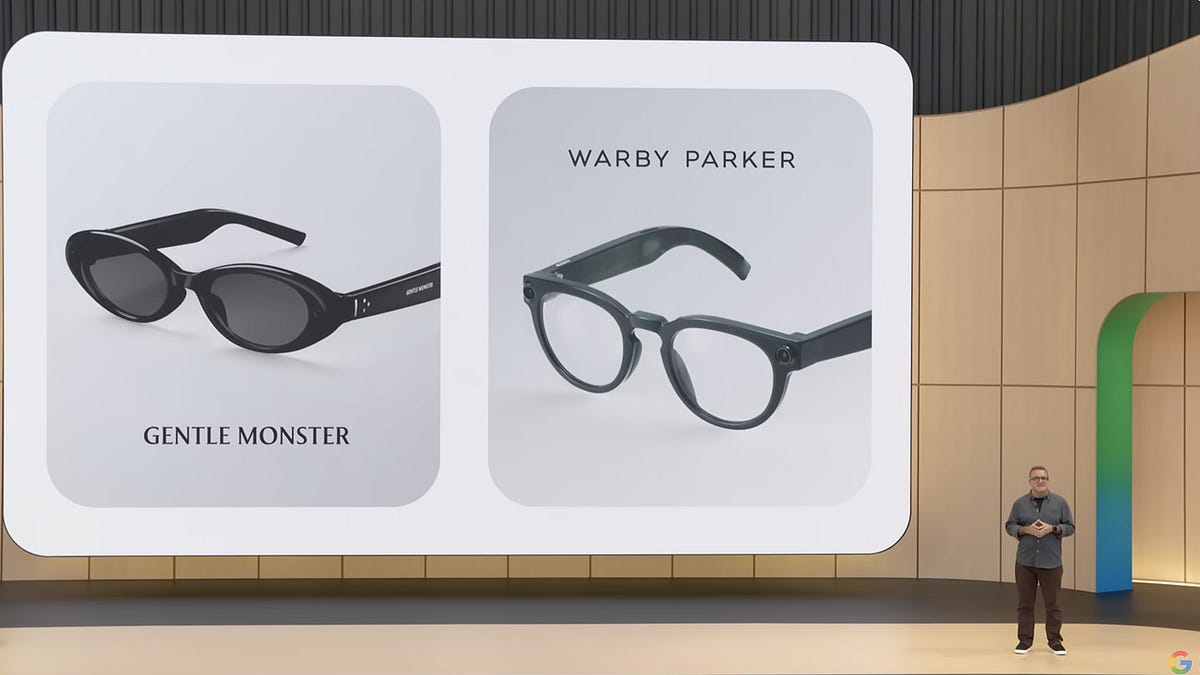
What Happens When AI Meets High-Stakes Professional Work — A Healthcare Design Case Study
Unprofessional
A design concept for AI-powered clinical smart glasses frames a broader insight: as hardware platforms open to developers, the design layer becomes the critical differentiator in domains like healthcare where documentation burden is urgent, well-funded, and deeply human — exactly the kind of constraint-rich environment where great design systems thinking matters.
Quick Takes
Government pre-approval of frontier AI model releases is no longer hypothetical — it's happening now, and it will reshape how design and product teams plan around AI tool availability.
Slow Takes →Open-weight models are now production-grade for coding workflows, which means teams building Figma-to-code pipelines no longer have to bet entirely on closed frontier APIs.
Lenny's Newsletter →Carroll's minimalism framework — support immediate action, anchor in real tasks, minimize verbiage, design for error recovery — reads less like UX history and more like the exact checklist missing from most AI-assisted onboarding flows being built right now.
Jakob Nielsen's UX RoundupAI's environmental cost is both significant and deeply uncertain — the tools themselves display more confidence about their carbon footprint than the underlying data can actually support, which is a design and transparency problem as much as an ecological one.
Slow AI →