The
Morning
Brief
Monday, July 6, 2026
Today's Signal
Today's content circles a central tension: AI systems are rapidly becoming more autonomous and self-optimizing, reshaping what human judgment and craft are actually for. Simultaneously, the creative disciplines — design, writing, motion — are discovering that AI's gravitational pull toward familiar patterns leaves originality as a defensible human edge. The question running through everything is not whether AI replaces human work, but which parts of human cognition it atrophies when we stop exercising them.
Deep Read
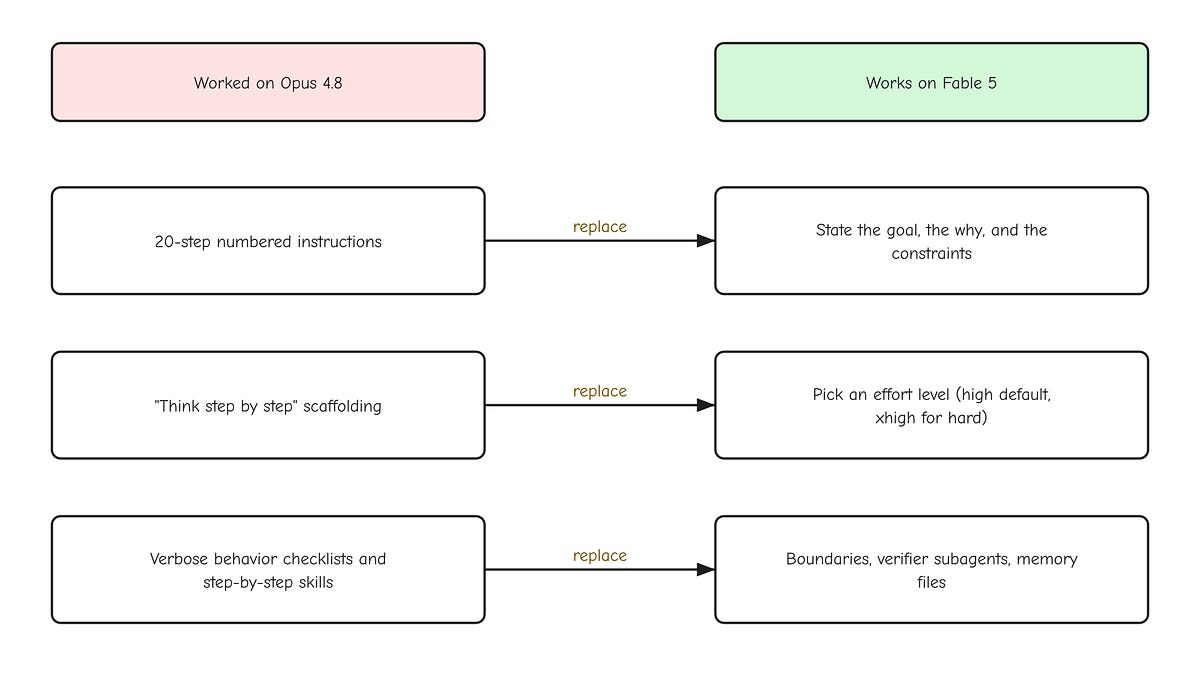
The Prompt Is Dead — Long Live the Harness
Agentic AI
The new generation of frontier models has made careful, prescriptive step-by-step prompting not just unnecessary but actively counterproductive — the model plans better than human-written scaffolding, so over-directing it degrades output. The real leverage has shifted to the architecture around the model: memory systems, verification layers, boundary definitions, and effort parameters. For designers and creative directors, this reframes the skill set entirely — less about crafting the perfect instruction, more about building the environment in which the model operates.
In the Feed

Originality Is Still the Moat: Why AI Keeps Regressing to the Mean in Creative Work
The Founders Corner
Unlike coding, creative design lacks clear feedback loops that enable reliable AI training — there's no test suite for taste. The result is that AI models systematically converge toward familiar visual patterns, making genuine originality one of the few creative capabilities that remains structurally difficult to automate.

The Twenty Seconds You're Giving Away to AI Might Be the Most Valuable Ones
Substack
When AI instantly drafts the difficult email or awkward message, it eliminates the brief period of friction where a person actually thinks through what they want — the decision-making process embedded in the act of writing. Offloading expression to AI may quietly erode the capacity to form and commit to hard positions over time.
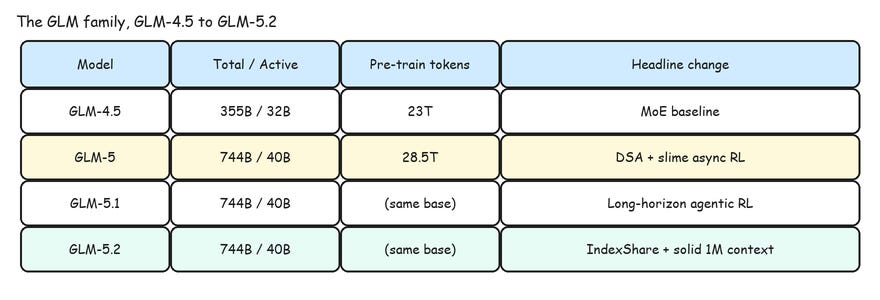
Open-Weight Models Just Got Competitive on Agentic Coding — and That Changes the Build Decision
Agentic AI
An open-weight model now sits within four benchmark points of a leading frontier API on production agentic coding tasks, using architectural innovations in sparse attention and layer reuse to close the gap. For teams building self-hosted AI pipelines, the calculus on API dependency versus ownership has materially shifted.
Quick Takes
AI agents that rewrite their own operating rules — detecting weaknesses and modifying scaffolding autonomously — represent a qualitative shift from tools you configure once to systems that self-improve between your interactions with them.
AlphaSignalPrestige Records accidentally demonstrated that coherent visual identity can emerge from creative freedom and constraint rather than top-down design governance — a useful provocation for anyone who believes systems are the only path to consistency.
Design Better →Cheaper tokens didn't reduce AI operating costs — they made complex agent workflows economically viable, driving total spend higher and turning token efficiency into the new budget line item.
The Founders Corner →The Knicks championship compressed the entire design-and-ship cycle — fan-made apps, AI-generated merch, and bootleg aggregators — into days, illustrating how AI tooling has collapsed production timelines for creative work from weeks to hours.
The Extremely Online Report →