The
Morning
Brief
Monday, July 13, 2026
Today's Signal
The design systems world is colliding with AI agents in ways that expose a fundamental tension: tokens and component libraries can constrain AI output toward brand fidelity, but the system is only as strong as the decisions baked into it. Meanwhile, AI is restructuring not just workflows but professional identities—splitting the workforce into those energized by the shift and those destabilized by it—while the tools themselves are rapidly moving from single prompts toward autonomous, multi-step loops that complete real work without human intervention.
Deep Read
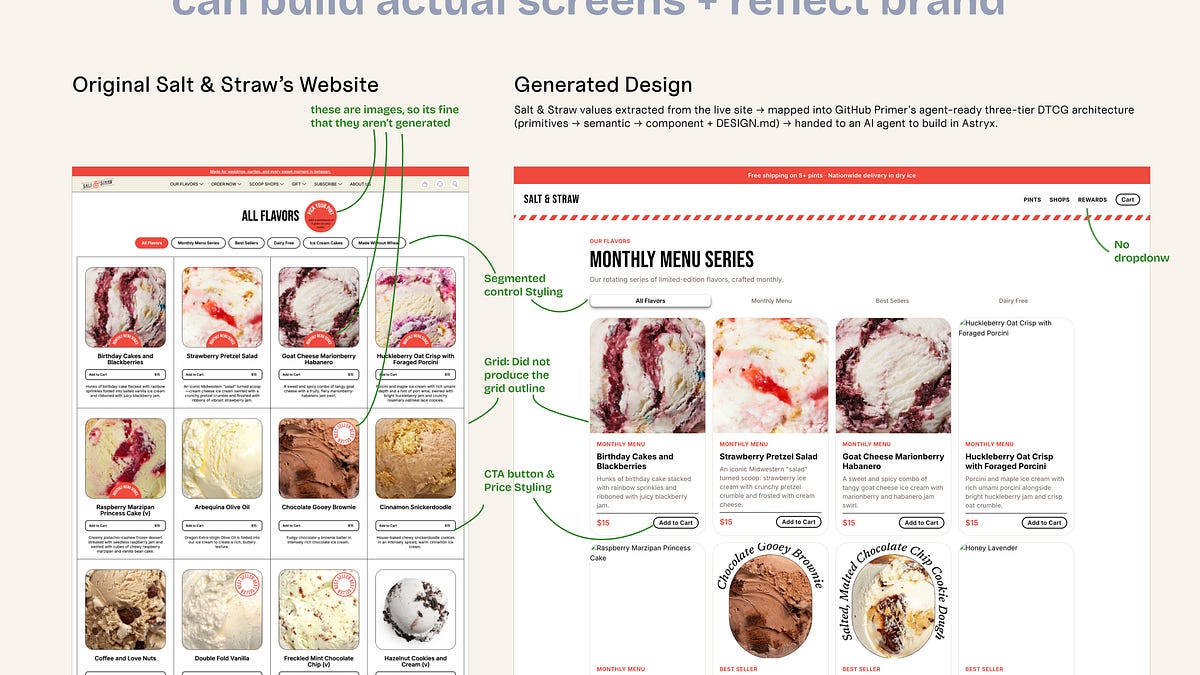
When AI Agents Meet Design Systems: The Token Is Sovereign, the Brand Is Not
AI-Native Designers Garden
A hands-on test of an agent-ready design system reveals the precise boundary of what structured tokens can and cannot enforce: where components expose customization hooks, AI-generated UI stays rigorously on-brand; where defaults are locked, brand identity leaks out uninvited. This is the clearest evidence yet that the design system—not the prompt, not the model—is the actual locus of brand control in an AI-native pipeline. The implication for design systems leaders is sharp: coverage gaps aren't just a maintenance problem, they're an AI governance problem.
In the Feed

Tech Workers Are Splitting Into Two Workforces—and AI Is the Dividing Line
TechCrunch
A large-scale sentiment survey finds AI has cleaved the tech workforce almost exactly in half, with burnout up 11 points year-over-year and four distinct emotional archetypes emerging. The finding that managers are the single biggest lever for worker well-being reframes AI adoption as an organizational and leadership challenge, not just a tooling one.
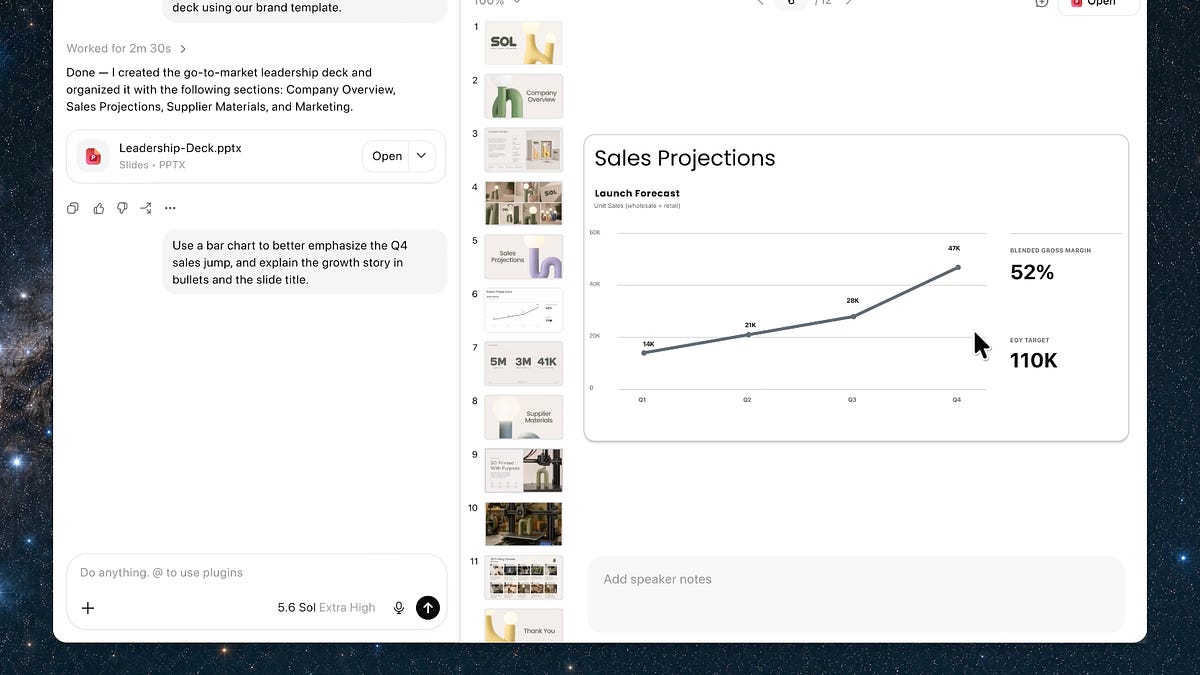
The AI Superapp Arrives: One Surface, Full Computer Control, No Guardrails on Ambition
Big Technology
OpenAI's superapp collapses ChatGPT, coding, and browser control into a single surface that can sustain complex multi-domain projects for hours—from video editing to production code—without manual handoffs. The deliberate move to reduce over-refusal in agent mode signals that the era of cautious, single-turn AI tools is ending.

AI Slop Is a Design Problem: Why Low-Intent Output Corrodes Creative Culture
Slow AI
The mass production of purposeless AI-generated content isn't just a social media problem—it's a creative quality problem with direct implications for design teams that use generative tools without clear intent. The piece offers a useful distinction between slop (low-effort volume) and brainrot (actively corrosive content), and argues that recognizing the difference is a professional responsibility for anyone shaping visual output.
Quick Takes
The real design systems moat in an AI-agent world isn't your component library—it's the completeness of your token decisions; every gap is a place the model fills in with its own defaults.
AI-Native Designers Garden →Benchmark collapse in AI coding models—where 30% of evaluation tasks are found to be broken—is a useful reminder that 'frontier performance' claims need the same skepticism applied to any design tool vendor's feature checklist.
AlphaSignalMeta's bet that product experience and distribution will beat raw model capability is exactly the argument design and systems teams should be making internally: the interface layer is where AI value is actually realized or lost.
Big Technology →AI agents completing real commercial transactions autonomously in uncontrolled internet environments marks the moment the 'agent' framing stops being theoretical for product and design teams planning what humans will actually own in a workflow.
AlphaSignal