The
Morning
Brief
Monday, July 27, 2026
Today's Signal
Today's pool surfaces a consistent tension between AI's raw generative power and the structural constraints needed to make it usable — whether in game design, voice interfaces, or creative production. Alongside this, the question of what designers and knowledge workers actually do in an AI-native workflow keeps surfacing: the articulation barrier, the peak-end rule, and interaction quality all point toward craft mattering more, not less, as AI handles execution. The design system as competitive moat idea echoes here — the teams who win will be those who've encoded good judgment into structure.
Deep Read
The Structure Paradox: Why the Best AI Experiences Are Deliberately Constrained
Jakob Nielsen
A survey of 53 AI-native games finds that generative AI only becomes genuinely playable — and genuinely useful — when paired with hard structural constraints: goals, rules, persistent state, and legible feedback. The 'rip-out test' (would removing AI break the core experience, or just degrade a feature?) cleanly distinguishes AI-native design from AI-augmented design. The implications transfer directly to enterprise AI interfaces and agent design, where the same principle applies: open-ended generation without structure produces noise, not capability.
In the Feed
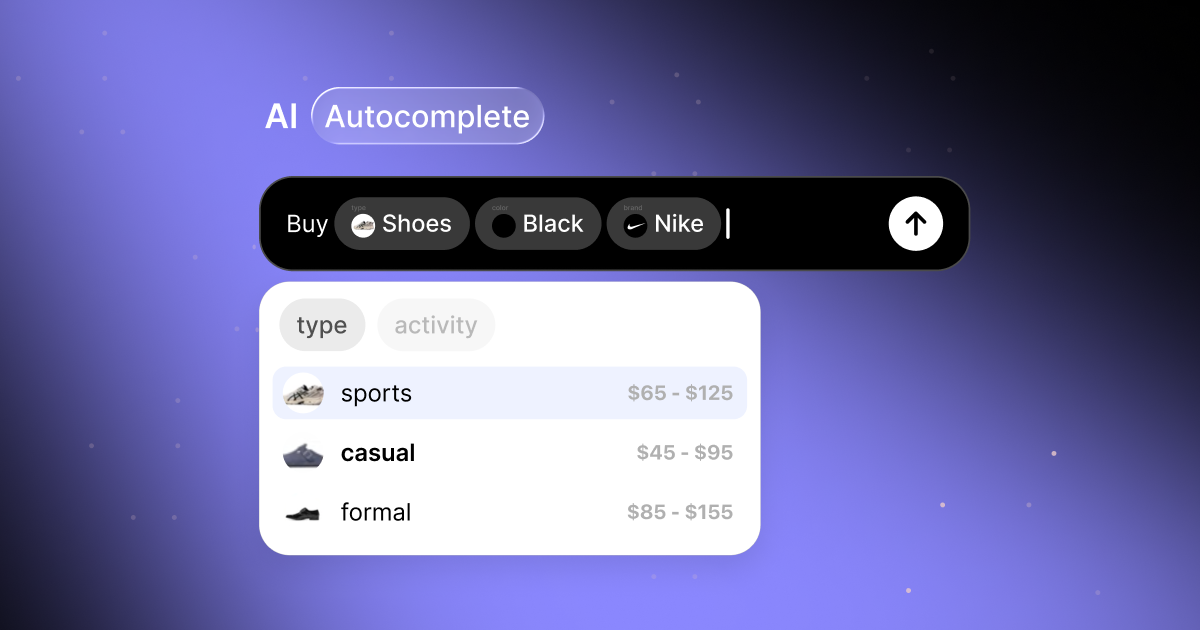
Killing the Prompt Engineering Tax: A UI Pattern That Bridges Intent and Specification
Jakob Nielsen
A new autocomplete pattern predicts user intent and surfaces missing parameters as interactive pills and dropdowns, tackling the articulation barrier that makes natural-language AI interfaces frustrating for non-engineers — a direct interaction design challenge with clear implications for how AI-powered design tools should onboard complex requests.
AI Film Wins at Cannes: The Format Ceiling Is Real, But It's Rising
Jakob Nielsen
AI-generated short film work has reached Cannes Lions bronze, with top-tier sub-5-minute productions now imperceptibly different from human-acted equivalents — a meaningful signal for anyone thinking about AI's role in visual craft. The quality ceiling on longer-form AI work remains a real constraint, but the trajectory is clear.
The Two Moments That Define Every User Experience (And Most Design Teams Ignore One of Them)
Jakob Nielsen
The peak-end rule — people judge experiences by their most intense moment and their final moment, not the average — has direct implications for how design systems teams prioritize component work and error states. Repairing the worst moment in a flow drives retention and word-of-mouth more reliably than optimizing the unremarkable middle.
Quick Takes
AI usage doubling year-over-year means interaction quality — not model capability — is now the decisive competitive variable, which is exactly where design systems thinking becomes a strategic asset.
Jakob Nielsen →Cursor's smart model router cutting AI coding costs by 60% through automatic task-to-model matching is a preview of how intelligence about intelligence — knowing when to use what — becomes its own layer of design infrastructure.
AlphaSignalThe agentic AI security landscape is a design systems problem in disguise: autonomous agents with tool access turn medium-severity vulnerabilities into critical ones at scale, meaning governance and constraint architecture matter as much as capability.
Agentic AI →Across games, voice interfaces, and autocomplete patterns, the same design principle keeps re-emerging: generative AI needs scaffolding — tokens, constraints, structure — to be genuinely useful rather than impressively unpredictable.