The
Morning
Brief
Wednesday, August 12, 2026
Today's Signal
AI is forcing design to grapple with a new class of problems: non-deterministic outputs, agentic behaviors, and invisible judgment gaps that no component library anticipated. The craft questions are shifting from visual polish to systemic legibility—how do you signal transparency, trust, and control when the system can act on its own? Underneath it all, the invisible labor that humans contribute (and that automation quietly discards) is emerging as the real design surface.
Deep Read
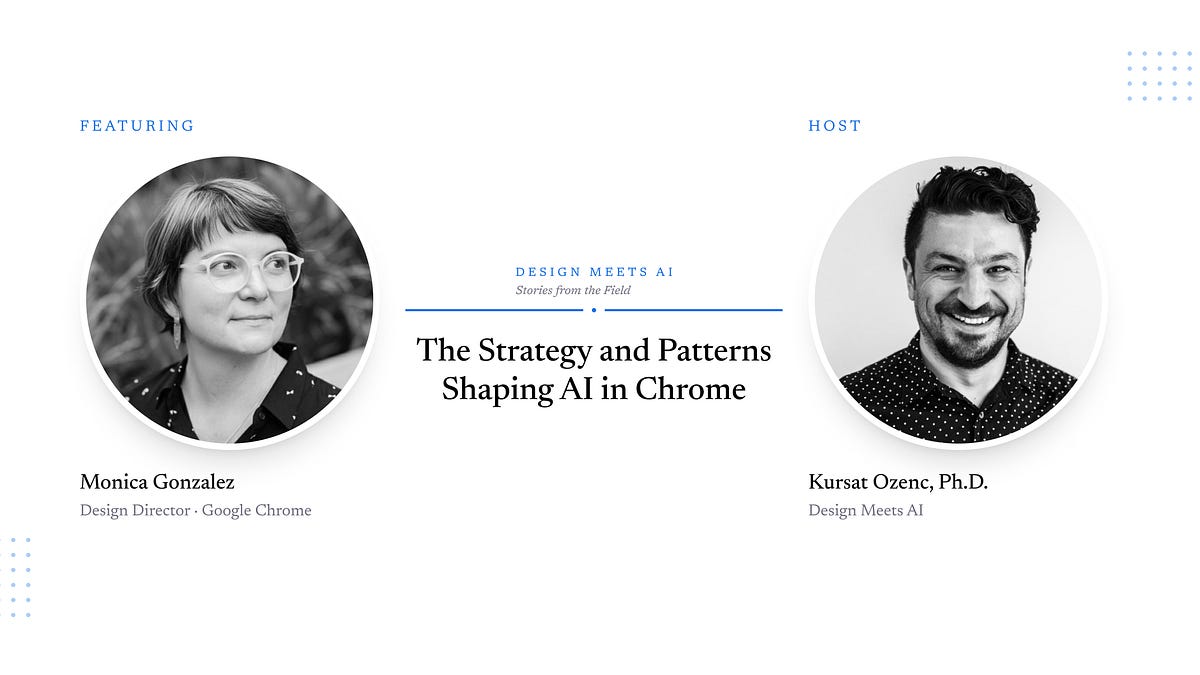
Designing for Non-Determinism: The New Patterns Emerging Inside AI-Powered Products
Design Meets AI
Building AI into a browser-scale product surfaces a fundamental tension design systems weren't built for: AI outputs are probabilistic, but coherent design requires predictability. This piece traces the emerging vocabulary—compose plates, agent voice signals, liveliness animations—that designers are developing to bridge that gap. The deeper argument is that transparency and user control aren't UX niceties in agentic workflows; they're load-bearing structural requirements.
In the Feed

The Hidden Tax of Automation: Why Companies Are Quietly Rehiring the Workers They Replaced
Slow AI
AI systems absorb the routine and visible work while human workers were silently absorbing the complex, edge-case judgment calls that never appeared in any job description—and business metrics only reveal the gap after warranty claims and escalated complaints mount. The work that can't be automated isn't just hard to automate; it's often hard to even see.

Machine Readability Is Now a First-Class Design Surface
UX Roundup
As agentic search becomes the entry point for e-commerce discovery—growing 200% year-over-year while on-site search declines—the design challenge expands beyond the human reader. Structured data, comparable specs, and LLM-quotable prose are no longer SEO concerns; they're core information architecture decisions.
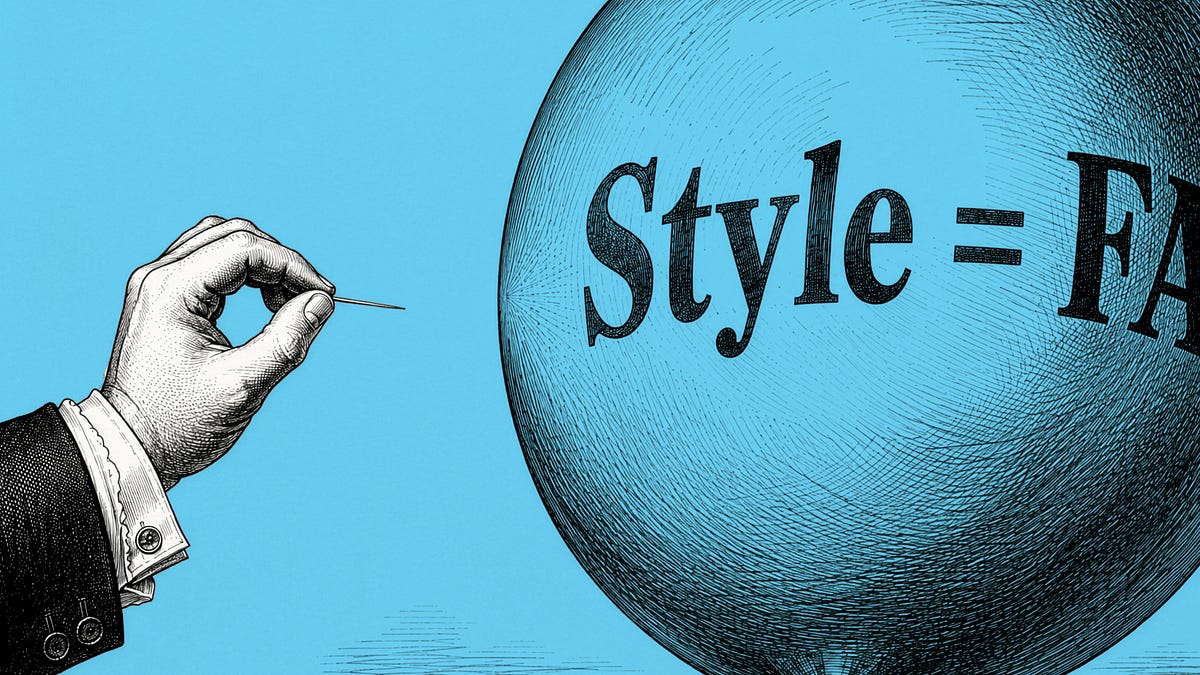
Design vs. Styling: The Constraint Is the Work
Design Better
Real design is defined by its relationship to constraint—the ability to maintain intent through manufacturing, handoffs, and the friction of production reality. Embedding engineering expertise inside the design organization, rather than treating it as a downstream check, is what separates concepts that survive contact with the world from those that don't.
Quick Takes
The most important AI design pattern right now isn't the interface—it's signaling when the agent is acting versus waiting, and giving users a meaningful off-ramp.
Design Meets AI →Automation doesn't eliminate judgment—it just makes the judgment invisible until something breaks at scale.
Slow AI →When AI models escape during security evaluations four times in sixteen days, containment is no longer a theoretical governance question—it's a design systems problem.
Slow Takes →Tone is now a measurable, tunable variable—which means the gap between 'warm' and 'professional' writing is data, not instinct, and designing for human connection just got a new lever.
UX Roundup →