The
Morning
Brief
Wednesday, August 26, 2026
Today's Signal
Today's content circles a shared tension: AI systems are increasingly operating in invisible layers—behind interfaces, inside meeting summaries, within agent orchestration stacks—while designers and knowledge workers are still catching up to what it means to shape, audit, or even trust those layers. Across pieces on agentic design, AI hallucination in workplace tools, and power-user concentration, the signal is consistent: the real design work is no longer just the surface, it's the governance of what happens underneath.
Deep Read
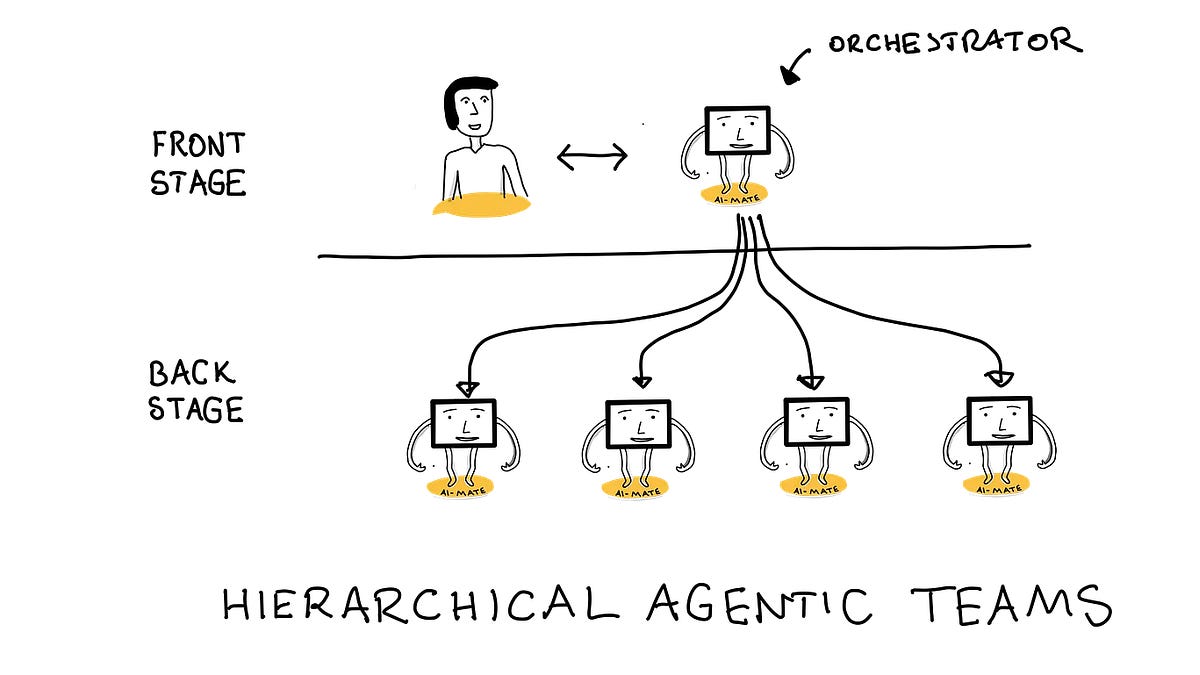
The Invisible Interface: Why Designing AI Agent Teams Means Going Backstage
Design Meets AI
As multi-agent AI systems become the engine behind products, the meaningful design decisions are shifting from what users see to how agents are structured, staffed, and made legible. Three coordination patterns—hierarchical, peer roundtable, and dynamic duo—each demand different approaches to surfacing agent reasoning and disagreement. The real leverage isn't in the UI skin; it's in the system prompts, the staffing choices, and the deliberate decision of what backstage deliberation to expose.
In the Feed
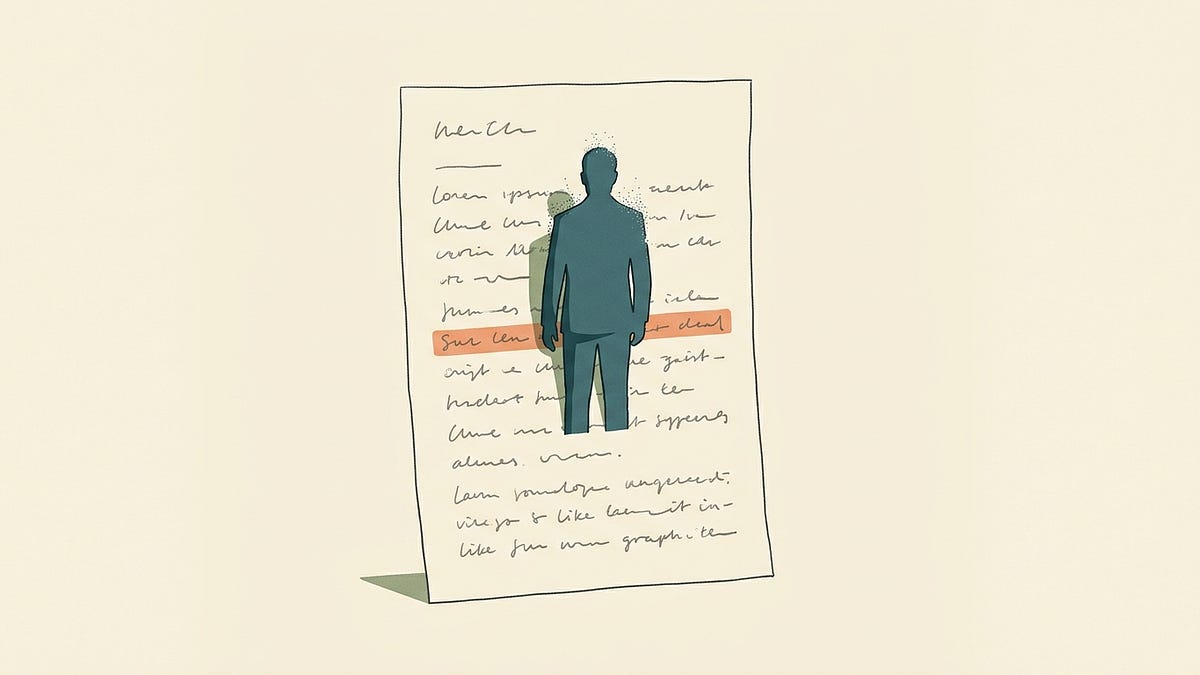
AI Meeting Notes Feel Official—But They're Quietly Making Things Up
Slow AI
Speech-to-text AI routinely fabricates names and phrases that never occurred, yet summaries are treated as authoritative records precisely because they arrive instantly and fluently—and the original audio gets deleted before anyone can check.
AI Adoption Inside Organizations Isn't a Bell Curve—It's a Power Law
Jakob Nielsen's UX Roundup
A small cohort of heavy users drives the overwhelming majority of AI token consumption, and simply making cost visible cut total spend dramatically—suggesting that transparency is itself a design feature, not just a finance concern.

Cards Are a Design Pattern, Not a Default—The Case Against Card Sprawl
Jakob Nielsen's UX Roundup
Cards earn their keep through Gestalt grouping, but indiscriminate application destroys information density and hierarchy; the pattern works for browsing discrete collections and actively harms layouts where it gets used as a reflexive choice.
Quick Takes
When AI systems hallucinate with fluency and confidence, the bottleneck isn't the model—it's the workflow that deleted the ground truth before anyone thought to check.
Slow AI →The 'staffing' of an agent team—which agents exist, what they prioritize, how they disagree—is a design decision as consequential as any component architecture choice, yet most teams treat it as an engineering implementation detail.
Design Meets AI →AI tool adoption follows a power law inside companies, which means designing for the median user is designing for the wrong person—and cost visibility turns out to be one of the highest-leverage UX interventions available.
Jakob Nielsen's UX Roundup →The pattern of AI systems being used to retroactively justify predetermined conclusions—whether in litigation, hiring, or security—is emerging as a systemic design failure, not just an edge case of misuse.
Slow Takes →