The
Morning
Brief
Thursday, September 24, 2026
Today's Signal
Today's content circles a central tension: as AI systems grow more capable and autonomous — orchestrating multi-agent teams, automating full development lifecycles, and shaping how knowledge workers operate — the craft questions don't disappear, they sharpen. Design decisions like defaults, cognitive load, and trust signals become load-bearing infrastructure in AI products, not decorative afterthoughts. The designers and teams who understand both the behavioral science underneath UX and the architectural realities of AI systems will define what 'good' looks like in this next era.
Deep Read

What Design Actually Looks Like Inside an AI Product Company
Design Better
This conversation cuts through the abstraction of 'AI design' to reveal how craft, influence, and evaluation work in practice at an AI-native company. The counterintuitive insight — that the path to design influence runs through being genuinely open to influence yourself — reframes what design leadership means when engineers and models are co-authoring the product. The discussion of evals as a design concern is particularly relevant: if you're not measuring what 'good' looks like in AI outputs, you've abdicated a core design responsibility.
In the Feed

The Software Factory Model: When AI Stops Being a Tool and Becomes the Workflow
Lenny's Newsletter
Warp's approach reframes the AI productivity question entirely — instead of asking how fast AI can write code, it asks how few human touchpoints are needed across the entire development lifecycle. The factory metaphor has direct implications for design systems work, where repetitive, rule-bound decisions are exactly the kind of structured work that agentic pipelines can absorb.
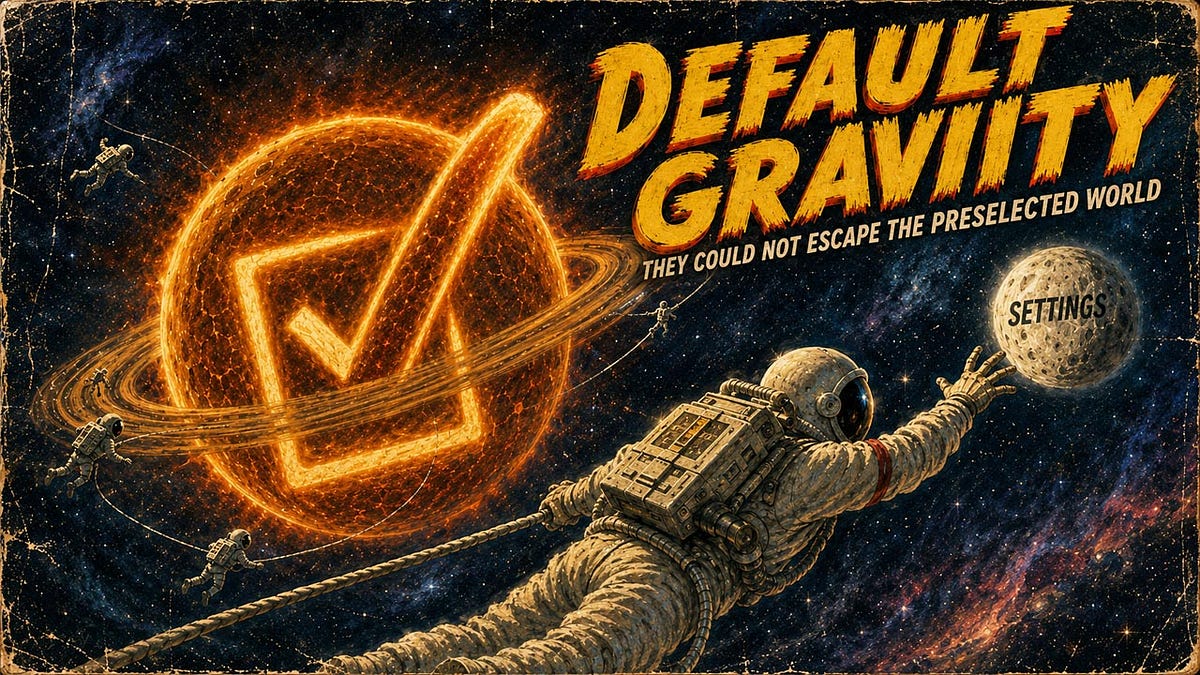
Defaults Are the Most Powerful Design Decision You'll Make — And the Most Overlooked
Jakob Nielsen
The ethical and behavioral weight of default settings is massively underestimated in practice: a single configuration choice shaped 401(k) participation rates more than any campaign or nudge. For design systems practitioners, this is a direct argument for treating token defaults and component fallback states as governance decisions, not engineering conveniences.
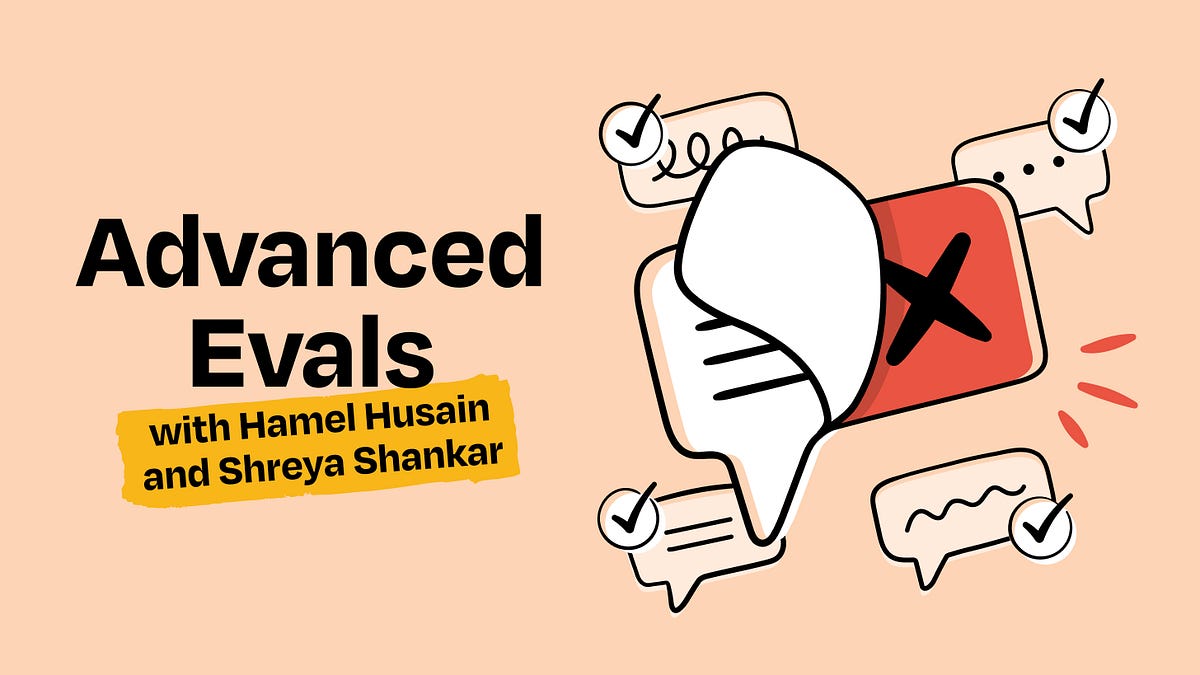
Why Your AI Product's Evaluation Strategy Is a Design Problem, Not an Engineering One
Lenny's Newsletter
The most common failure in AI product evaluation isn't bad metrics — it's skipping the step of manually reviewing real production outputs to understand what 'good' actually looks like before you try to measure it. Across 50+ companies, this human-first discovery process consistently surfaced critical UX failures that automated metrics missed entirely.
Quick Takes
AI safety tuning has neutered most model humor, but self-deprecation about the machine's own failures remains uniquely authentic territory — no human can claim it — and research shows it meaningfully increases perceived likability.
Jakob Nielsen →One-third of AI users have confided things to a chatbot that they withheld from doctors or close friends — not because they trust the company, but because the interface offers zero judgment and complete perceived anonymity, a design affordance with enormous unexplored implications.
Jakob Nielsen →The IKEA Effect is a double-edged sword for design systems: inviting users to customize earns genuine loyalty, but the same psychological mechanism makes designers catastrophically overvalue their own component work — a bias that demands external usability testing, not internal review.
Jakob Nielsen →The shift from solo AI agents to coordinated multi-agent teams achieving 4x better reasoning performance isn't just an infrastructure story — it's a signal that the architecture of AI-assisted creative and design workflows will look more like team orchestration than individual tool use.
AlphaSignal