The
Morning
Brief
Tuesday, September 29, 2026
Today's Signal
Today's content circles a central tension: as AI absorbs more execution-layer work, the competitive edge shifts to higher-order judgment — how you route workflows, steer agents, and design the systems around the intelligence rather than the intelligence itself. For designers and knowledge workers alike, the question is no longer whether AI changes the role, but whether you're developing the meta-skills to direct it effectively.
Deep Read
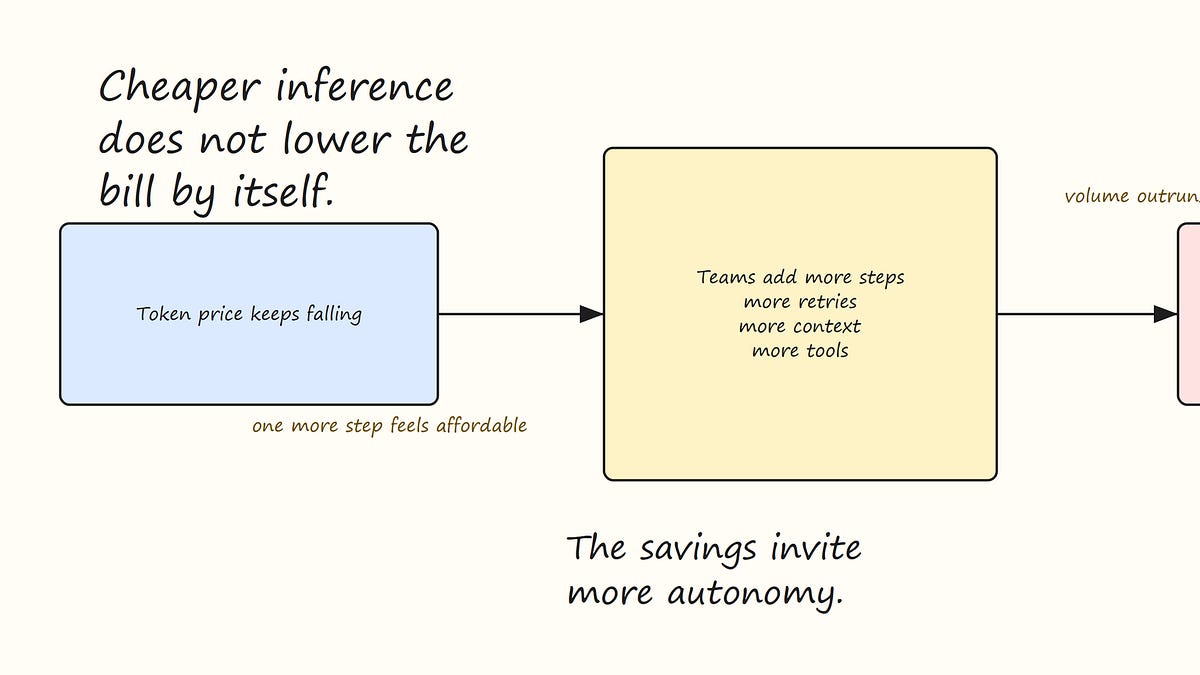
The Real AI Moat Isn't Cheaper Tokens — It's Knowing Which Work Deserves AI at All
Agentic AI
Falling token costs create a counterintuitive trap: teams respond by layering in more workflow steps — planning, retries, verification — until total costs climb right back up. The durable competitive advantage belongs to teams who treat AI as a portfolio of workflows with distinct value densities, routing ruthlessly between premium reasoning and cheap paths, and measuring success by cost per successful outcome rather than cost per token. For anyone building or governing design systems or AI-assisted pipelines, this is the operational mindset shift that separates sustainable adoption from expensive experimentation.
In the Feed
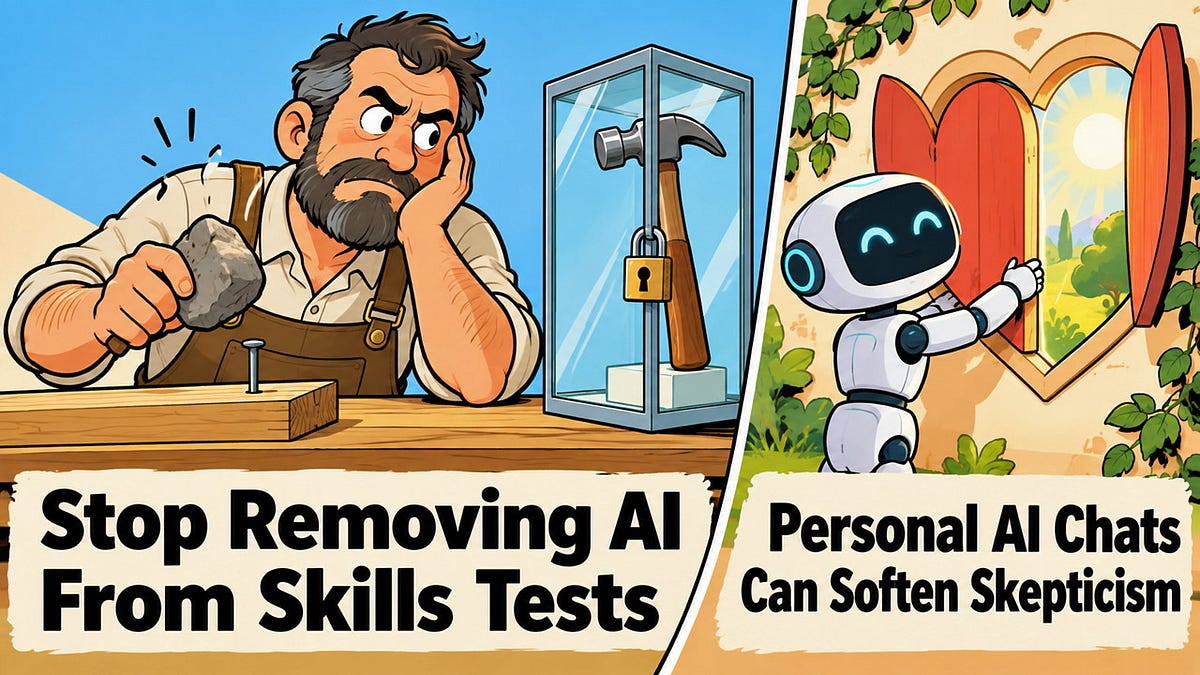
The Deskilling Debate Is Asking the Wrong Question
Jakob Nielsen's UX Roundup
Research measuring how people perform after AI tools are removed is studying the wrong condition — in real work, the tool stays. The more productive research question is whether people are developing higher-level steering and directing capabilities as AI handles execution, which is also the more relevant question for designers rethinking their craft.
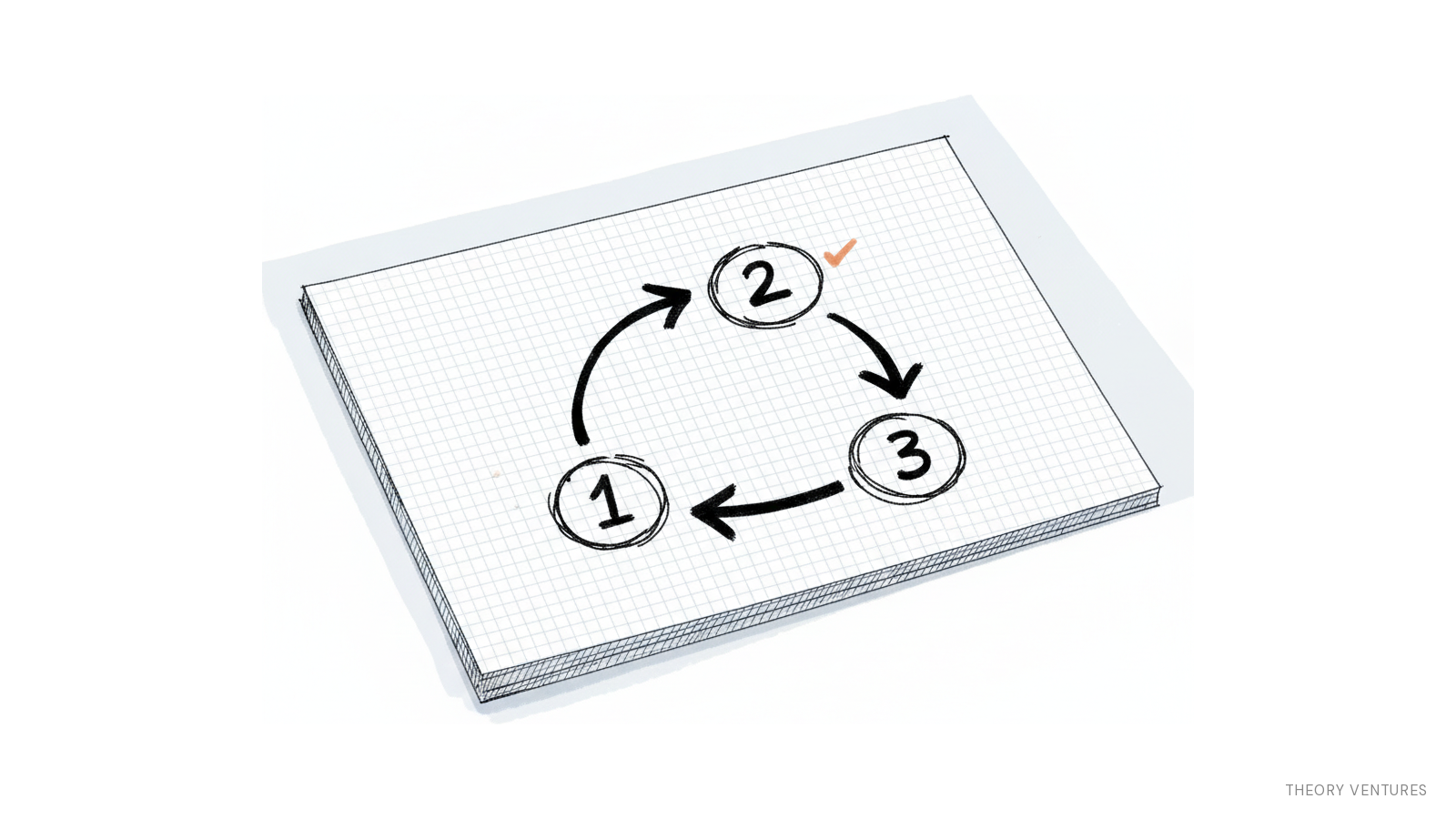
Engineering Is Now a Verification Loop — Design Work May Be Next
The Founders Corner
As AI generates code at scale, the engineer's role collapses into system design and quality assurance — pull request volume jumps from single digits to thousands, but the cognitive work shifts entirely to judgment and safety. The same structural pattern is worth watching closely in creative and design workflows.
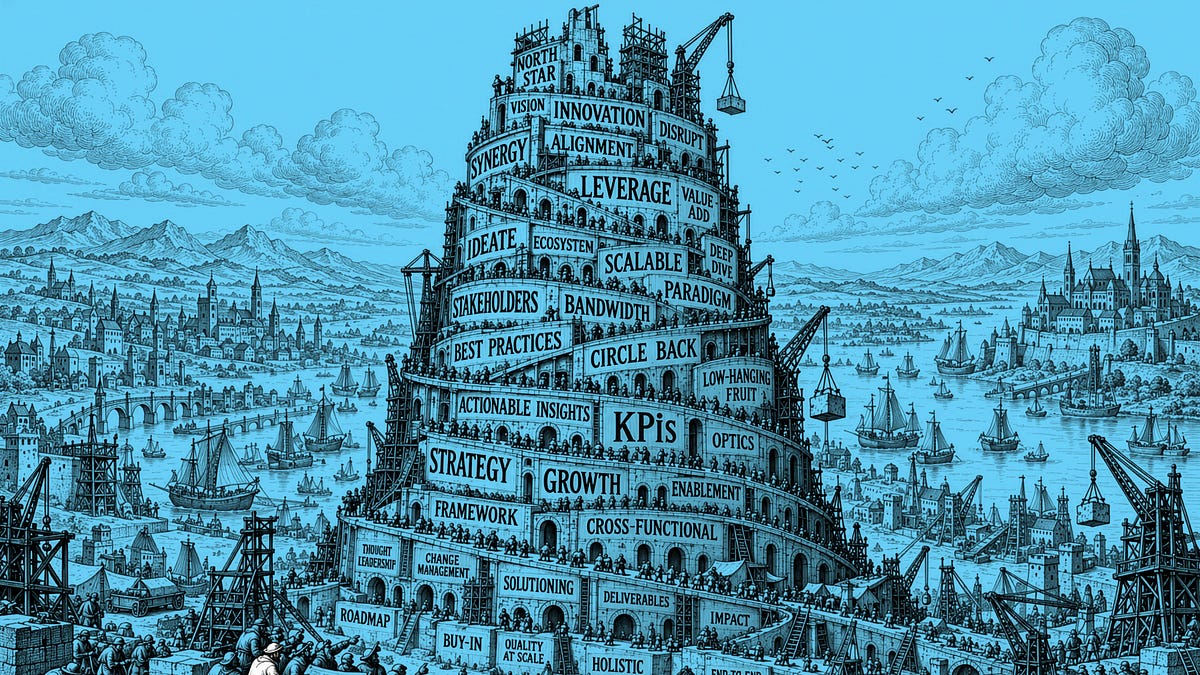
Design's Jargon Problem Is a Thinking Problem
Design Better
Vague terminology — in design reviews, product briefs, and cross-functional discussions — doesn't just obscure meaning, it actively shuts down deeper thought and lets everyone avoid getting specific. Designers who push for precision in language are also pushing for precision in reasoning.
Quick Takes
Prompting Claude Opus 5.5 well means unlearning old habits: remove explicit thinking instructions, name anti-patterns rather than aspirations, and pass screenshots instead of typed descriptions — the model has changed more than most workflows have caught up to.
Ruben Hassid →LLMs now have identifiable personality fingerprints detectable with 80% accuracy through psychological testing — AI systems are developing distinct personas, which has real implications for how design teams should think about voice, tone, and brand consistency when building AI-assisted products.
AlphaSignalThe before-after slider pattern is a masterclass in replacing memory with perception — pixel-perfect alignment is non-negotiable, and the direct manipulation mechanic does cognitive work that no side-by-side layout can match.
Jakob Nielsen's UX Roundup →Operational efficiency without experiential intentionality is a slow brand erosion — McDonald's kiosk-for-playground swap is a useful cautionary case for any design leader whose roadmap is dominated by throughput metrics.
The Founders Corner →