The
Morning
Brief
Monday, October 5, 2026
Today's Signal
Today's content circles around a single structural shift: as AI collapses the cost of production—whether content, code, or creative output—the real design challenge moves upstream to attention, authorship, and governance. The question is no longer how to make things, but how to surface what matters, set the right constraints, and keep humans meaningfully in the loop without burning them out. Design systems thinking and AI workflow thinking are converging on the same problem: rules and structure as the new craft.
Deep Read

The Creative Shift from Artifact to Algorithm: Authoring Rules Instead of Outputs
Jakob Nielsen's UX Roundup
A research prototype called MultiVerse inverts the fundamental logic of creative work: instead of shipping a finished artifact, creators now define the constraints, boundaries, and rules within which an AI performs—generating a unique output for every individual user. This is more than a tool update; it's a redefinition of what authorship means, moving creative authority from the object to the system that produces it. For designers who already think in tokens, component rules, and design systems, this reframe should feel both familiar and radical.
In the Feed
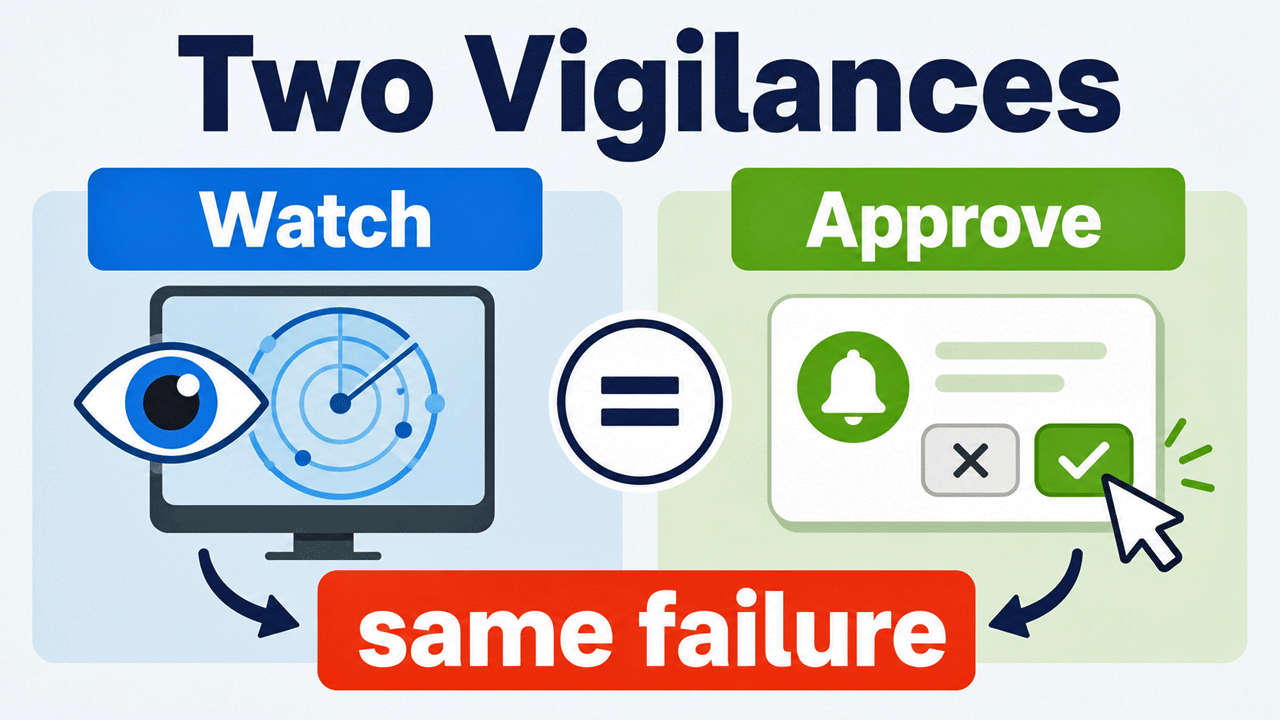
Human-in-the-Loop Is a Design Fiction—Here's Why the Model Needs to Change
Jakob Nielsen's UX Roundup
Sustained vigilance over AI outputs collapses within 30 minutes, and routine approval flows breed automation bias rather than meaningful oversight. The implication for anyone designing AI-assisted workflows is that 'a human reviews it' is not a safety strategy—the system architecture itself must align with how attention actually works.

Proactive AI That Speaks First: A New Pattern for Ambient Intelligence in Collaboration
Jakob Nielsen's UX Roundup
Rather than a chatbot waiting to be queried, a prototype called InsightToast listens to live meeting conversation and surfaces a single sourced insight at the exact moment it's relevant—no after-meeting summary dump required. This points toward a new interaction paradigm where AI earns its place by initiating at the right moment, not by responding when asked.

Keeping Creative Fire Alive While Scaling: A Studio Founder's Honest Accounting
Design Better Podcast
A conversation about maintaining hands-on craft instincts while leading a growing design studio, including how punk-era scrappiness still shapes the work and why AI functions best as one ingredient rather than the recipe itself. The throughline is that creative leadership requires resisting the pressure to systematize the soul out of the work.
Quick Takes
When publishing becomes free but reading stays expensive, every report, dashboard, and alert you send is a tax on someone else's attention—prune before you post.
Jakob Nielsen's UX RoundupAI capabilities getting 79× cheaper in a single year isn't a feature—it's a structural erasure of the economic moat around any skill that AI can perform near-perfectly.
Ruben Hassid →The prompt box assumes you already know what you're missing—proactive AI that observes and speaks first solves the creative articulation problem the blank canvas never could.
Jakob Nielsen's UX Roundup →Design systems practitioners are already authoring rules instead of artifacts—adaptive AI content systems are just that logic applied to the entire creative stack.
Jakob Nielsen's UX Roundup