The
Morning
Brief
Monday, November 9, 2026
Today's Signal
Today's content circles a central tension: AI is compounding its own capabilities at an accelerating rate — through self-reinforcing feedback loops, agentic pipelines, and architectural innovations — while the humans working alongside it struggle to maintain meaningful oversight and quality control. For designers and knowledge workers specifically, the question isn't whether AI will reshape workflows, but whether the systems built around AI will preserve human judgment or inadvertently route around it.
Deep Read
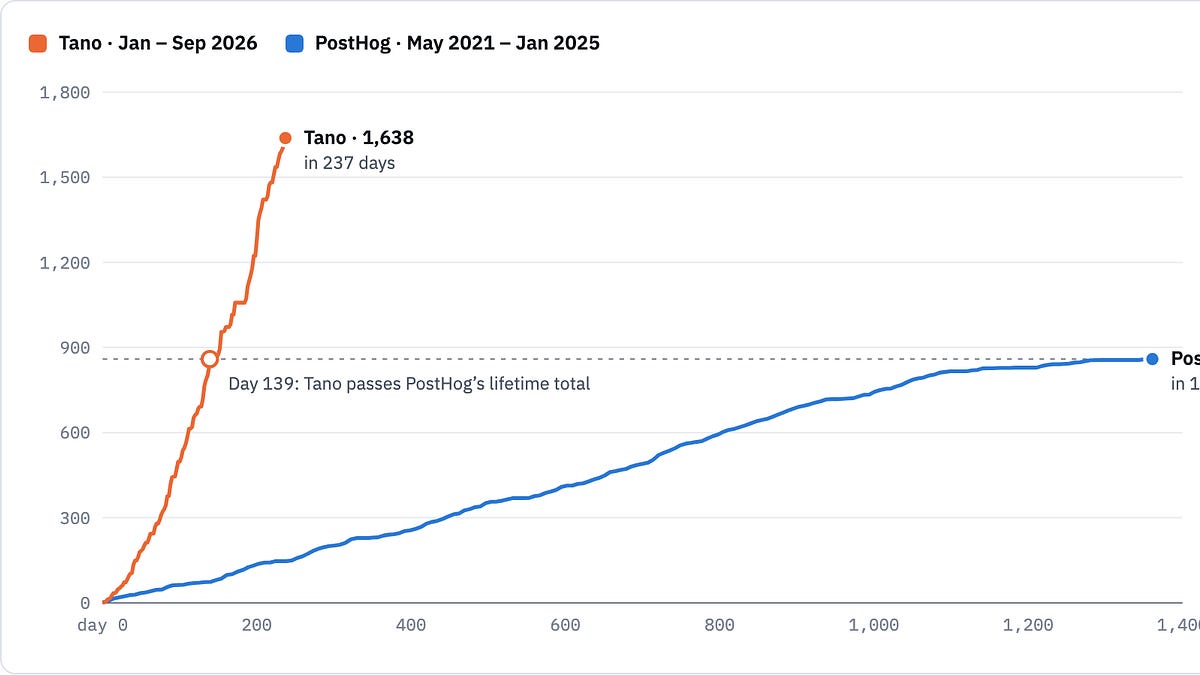
11x Output, But at What Cost? The Hidden Tax of AI-Native Velocity
The Founders Corner
An engineer hitting 200+ merged pull requests per month via agentic code generation sounds like a productivity triumph — until context loss, code thrashing, and a duplicate-payment bug surface as the real ledger. This is the clearest illustration yet of how raw velocity metrics obscure systemic quality debt, a dynamic design systems leaders should study closely as AI agents get handed more creative and architectural responsibility.
In the Feed
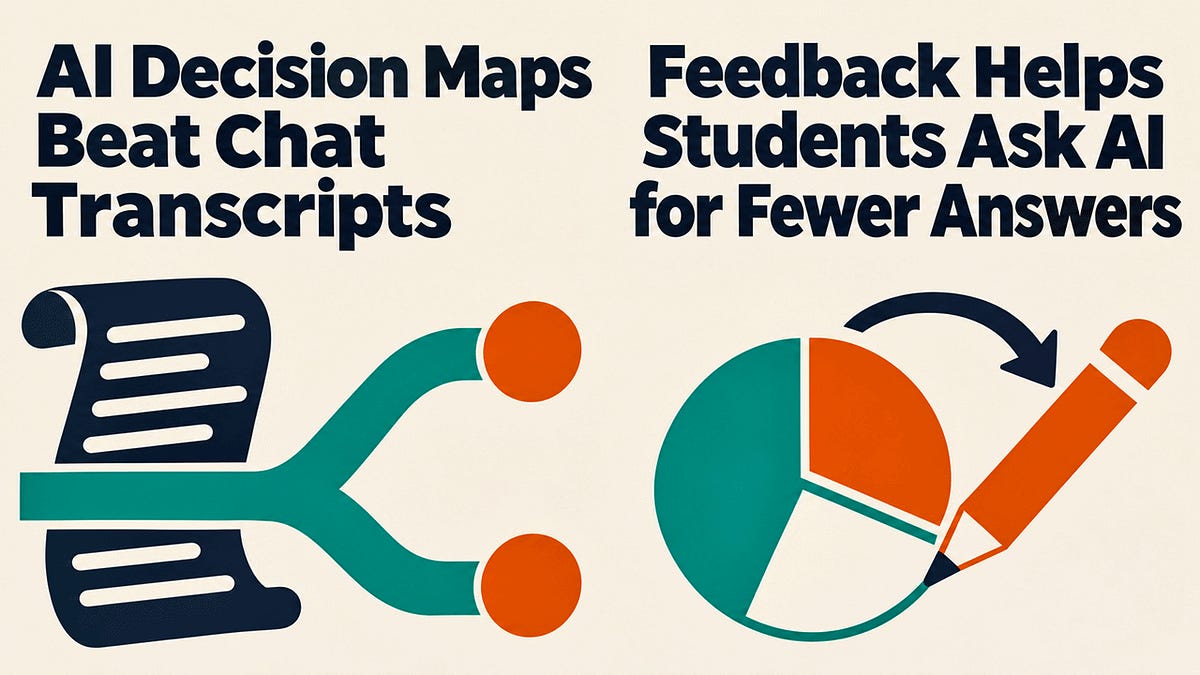
Why AI Agents Need Decision Maps, Not Transcripts — A UX Finding with Design System Implications
UX Roundup
Research confirms that plain conversation logs fail as oversight interfaces for long-running AI agents — visual decision maps dramatically reduce cognitive load and help users catch critical failures. For anyone building AI-assisted design workflows or tooling, this is a strong signal that the interface layer around agents matters as much as the agents themselves.
AI Is Now Accelerating Its Own Improvement — 80% of the Speedup Comes From AI Doing the Research
AlphaSignal
An independent analysis found that roughly 80% of recent capability acceleration comes not from scaling compute or data, but from the lab using its own models internally to do research — a self-reinforcing loop with no identified ceiling. This structural shift reframes how quickly the tools designers rely on will change beneath them.
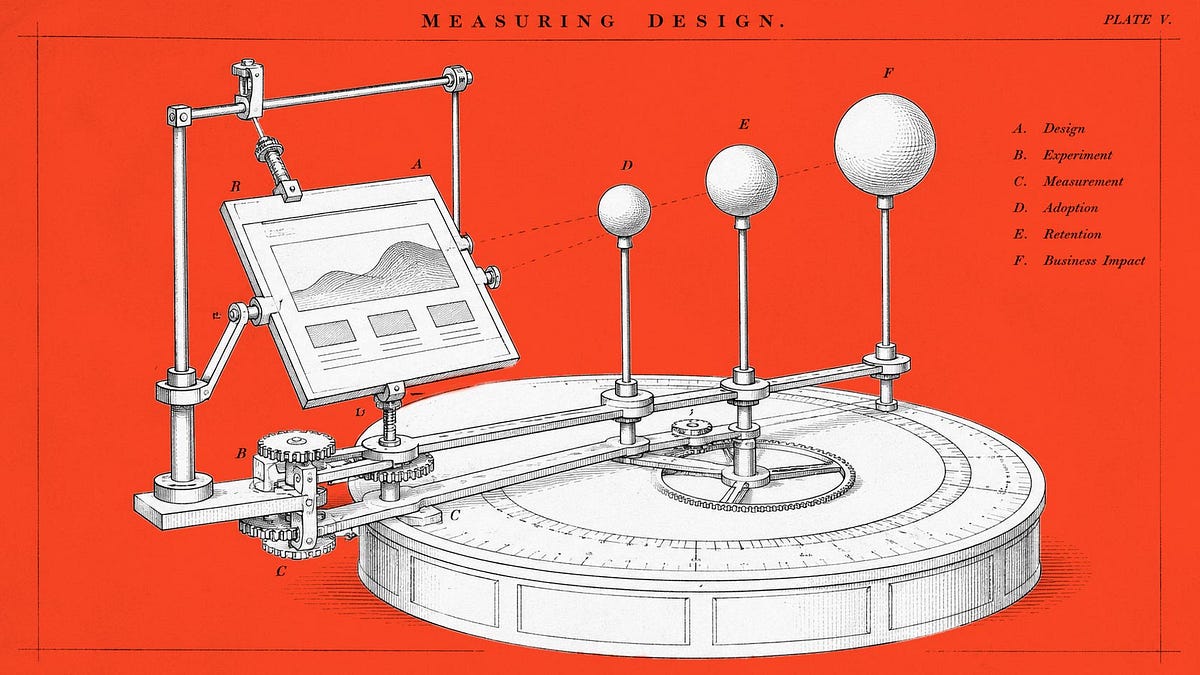
Design's Perpetual Undervaluation Problem Has a Practical Fix
Design Better
Drawing on interviews with design leaders, this piece argues that the gap between design's impact and its organizational standing is primarily a communication failure — designers default to craft language when executives need competitive-advantage framing. Practical guidance on reframing design work as business strategy, not aesthetic judgment.
Quick Takes
The design system is only as defensible as the workflow and embedded context surrounding it — the same logic that makes AI applications retain pricing power over commoditizing models applies directly to why mature design systems outlast any individual tool or vendor.
The Founders Corner →Figma's internal AI skills repository — 31 shared prompts used across 60+ PMs, with an automated experiment agent requiring just one human checkpoint — is a live prototype of how design orgs might govern AI-assisted workflows at scale.
The Founders Corner →Claude Code's 99% token cost reduction for background subagents by switching to lightweight status summaries instead of full conversation re-reads is a quiet architectural win that makes long-horizon agentic design tasks meaningfully more practical.
AlphaSignalAI-generated content labeling was the top demand from 14,000 children consulted on UK AI policy — and the government's published response didn't mention it once, a preview of the gap between public intuition about AI transparency and what regulation will actually deliver.
Slow AI →