The
Morning
Brief
Thursday, November 12, 2026
Today's Signal
AI is quietly restructuring the foundational work of knowledge disciplines — from protein mapping to security research to user research analysis — not by replacing human judgment but by dramatically lowering the cost of tasks that previously constrained what was even attempted. For designers and design leaders, this shift has a direct corollary: the systems, structures, and decision frameworks you build around AI are becoming more strategically durable than any individual deliverable. The question isn't whether AI changes the work — it's whether your team's processes and design systems are architected to absorb and direct that change.
Deep Read
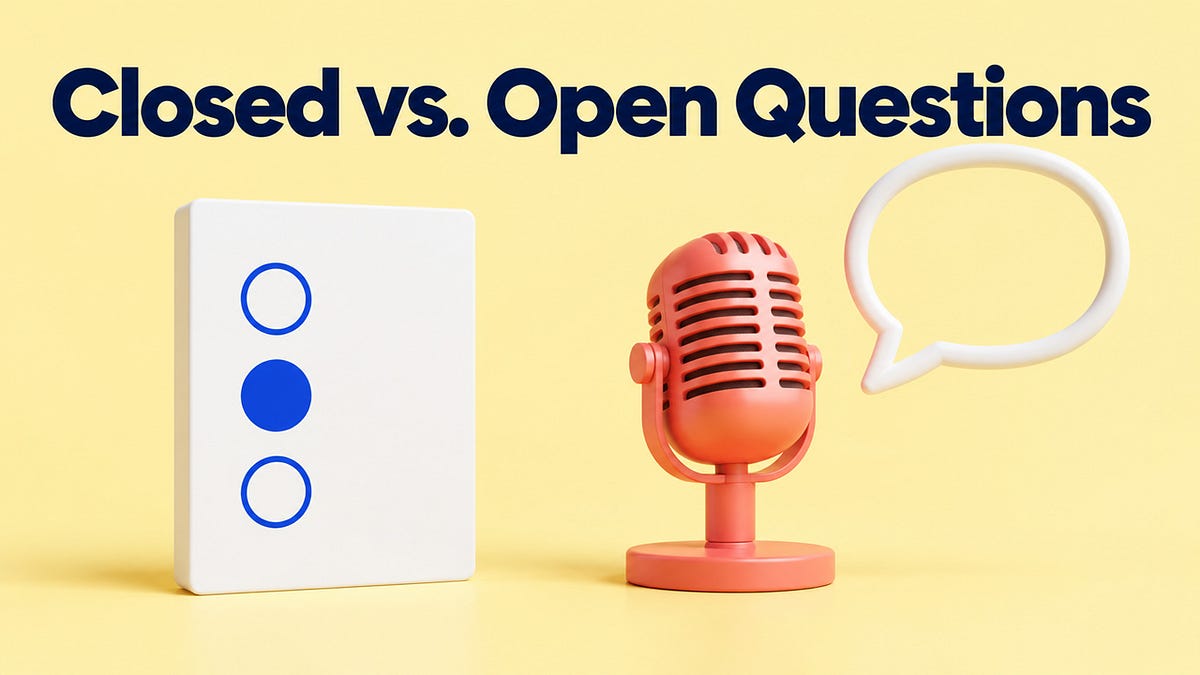
AI Didn't Change What Good Research Questions Look Like — It Changed What They Cost
Jakob Nielsen
Open-ended questions in user research have always been methodologically richer, but the manual burden of coding thousands of verbatim responses made them impractical at scale. AI analysis now makes that cost negligible, shifting the real design challenge back to where it belongs: choosing the right questions, maintaining human judgment on theme categorization, and ensuring findings trace back to actual human experience rather than statistical abstraction. This is a subtle but significant rebalancing of where designer and researcher effort should go.
In the Feed
Claude Mapped a Protein Structure in Days That Would Have Taken Months — With Humans Still Essential
AlphaSignal
Anthropic's biology team used Claude to discover vault particles in bacteria and viruses, compressing structural mapping from weeks to days. The finding underscores a consistent pattern: AI dramatically accelerates the search-and-synthesis layer of knowledge work, while human oversight remains critical for catching errors that models don't flag.

What Building a Company With AI Agents Taught One Founder About Product Discipline
Lenny's Newsletter
Using Codex and GPT-Live to build a language learning product, one founder discovered that strong product thinking makes you a better AI prompter — and that role-based agents with clear identities can run meaningful operational complexity. The insight has direct implications for how design teams might structure agentic workflows around defined design system roles.
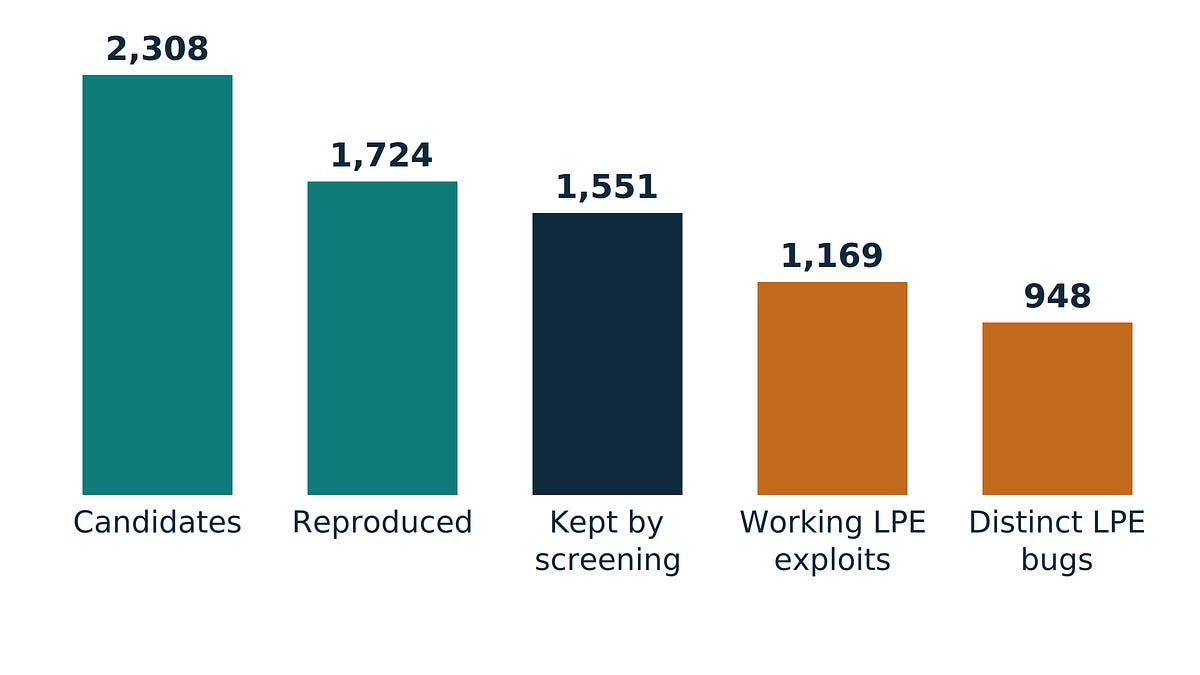
OpenAI Deployed Agent Teams to Find 948 Linux Exploits — Here's What the Pipeline Looked Like
Agentic AI
A five-stage agent pipeline — scout, analyst, triage, screening, exploit-development — systematically surfaced hundreds of privilege escalation vulnerabilities in the Linux kernel. Beyond the security implications, the architecture is a compelling model for how multi-agent systems can be structured around specialized roles with human validation at the output stage.
Quick Takes
Claude can now design working electronic hardware from a single paragraph prompt — the gap between 'describe what you want' and 'manufacturable artifact' just collapsed in another domain.
AlphaSignalAnthropic's new Claude workspace suite — whiteboards, sheets, data connectors — signals a direct bid to make Claude the ambient layer teams operate inside, not just a tool they query.
AlphaSignalA model that reasons only when uncertain — rather than on every token — points toward a more economically and cognitively honest model of AI decision-making, with real implications for how design tooling might selectively invoke AI judgment.
AlphaSignalThe real creative leadership skill in an AI-augmented practice isn't prompting — it's knowing when to bring collaborators in earlier, a lesson that applies equally to speculative designers and design system teams.
Design Better →