The
Morning
Brief
Wednesday, November 11, 2026
Today's Signal
AI is simultaneously expanding what's possible in knowledge work and quietly eroding the critical judgment that makes that work valuable — faster tools, faster outputs, but a growing gap in error detection and human oversight. Meanwhile, the structural reshaping of tech roles continues, with design facing particular pressure as AI agents absorb more execution work, raising urgent questions about where designer judgment still holds irreplaceable value.
Deep Read

The AI Confidence Trap: Why Using AI to Catch Errors Makes You Worse at Catching Errors
Slow AI
A Stanford and UK AI Security Institute study reveals a troubling dynamic: AI-assisted fact-checking doesn't improve overall accuracy — it creates a false sense of competence. When the AI is correct, performance improves slightly; but when it's wrong, human error detection collapses significantly. For designers and knowledge workers increasingly delegating review and critique tasks to AI tools, this is a structural warning about the hidden cost of outsourced judgment.
In the Feed
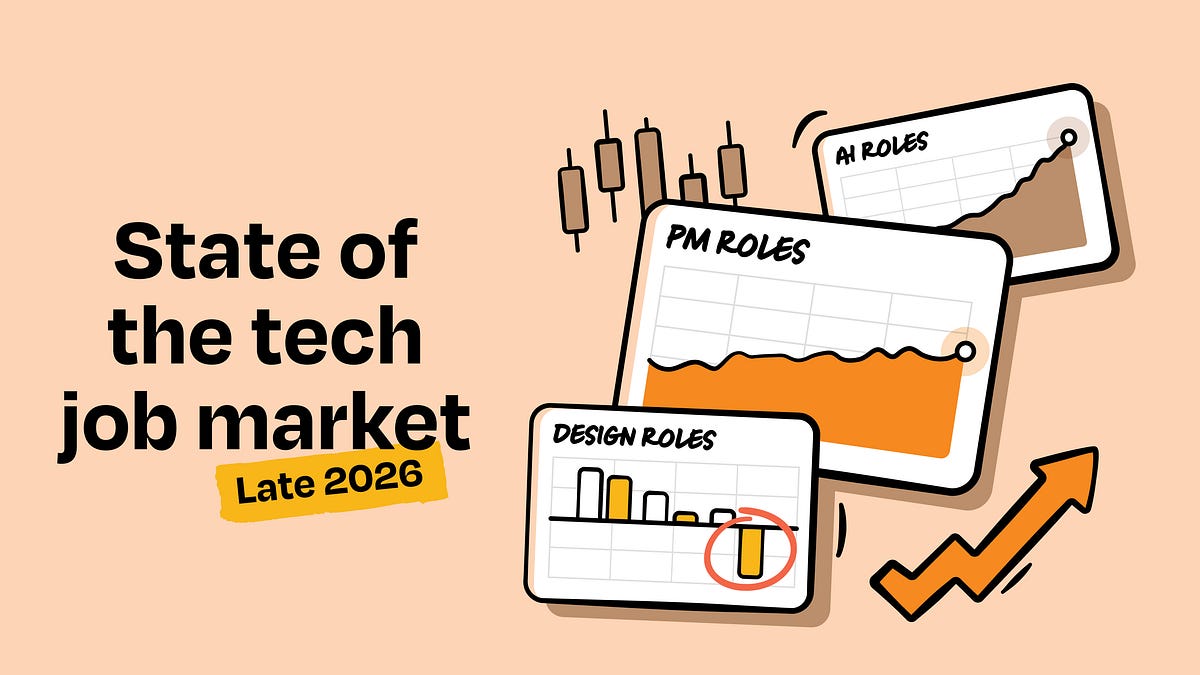
Design Hits Record Lows While AI Skills Become the Universal Entry Fee
Lenny's Newsletter
The late-2026 tech job market is bifurcating fast: design roles are at historic lows, PM demand is strong, and AI fluency is no longer a differentiator but a baseline requirement across every discipline — a structural shift with direct implications for how design teams justify headcount and skill investment.

AI Automation Claims 80% Time Savings — But Experienced Practitioners Got 19% Slower
The Founders Corner
The gap between headline efficiency gains and on-the-ground reality is stark: aggregate workflow automation shows dramatic time reductions, but a controlled 2025 trial found experienced practitioners actually slowed down when using AI tools on timed tasks — a nuance that matters enormously for design leaders evaluating AI tool adoption.

Bulk Edit Done Right: The Component Architecture Behind Complex Data Table Interactions
UX Movement
Bulk edit patterns in data tables are frequently misimplemented — this walkthrough of selection bars, modal slide-outs, and accordion sections offers a concrete component-level design system reference for managing complex state across thousands of records without overwhelming the user's task flow.
Quick Takes
AI coding agents are shipping features faster than teams can debug them — production investigations surged 140x in one year, making reliability engineering the unexpected bottleneck of the AI-accelerated development cycle.
The Founders Corner →OpenAI's multi-machine coding agent — running parallel tests and UI verification across separate environments while you keep working — is a preview of what AI-augmented design QA pipelines could look like at scale.
AlphaSignalTencent's self-rewriting 27B model is a signal worth watching: when models can retrain themselves autonomously, the gap between 'AI as tool' and 'AI as collaborator' narrows in ways that will force design systems thinking to account for non-human contributors.
AlphaSignalAI is delivering genuine scientific acceleration — protein structures mapped in days instead of months — but the consistent caveat across every use case is that human oversight remains essential to catch model errors, which loops directly back to the judgment-erosion risk documented in the error-detection research.
AlphaSignal