The
Morning
Brief
Wednesday, November 18, 2026
Today's Signal
AI is rapidly becoming infrastructure rather than a tool — embedded in research pipelines, creative workflows, and security architectures in ways that persist and operate without active human oversight. At the same time, the design craft fundamentals haven't changed: consistency, obviousness, and respecting user effort remain the pillars of usable systems. The tension between AI's expanding autonomous capability and the human judgment required to govern it well is the defining challenge running through today's content.
Deep Read
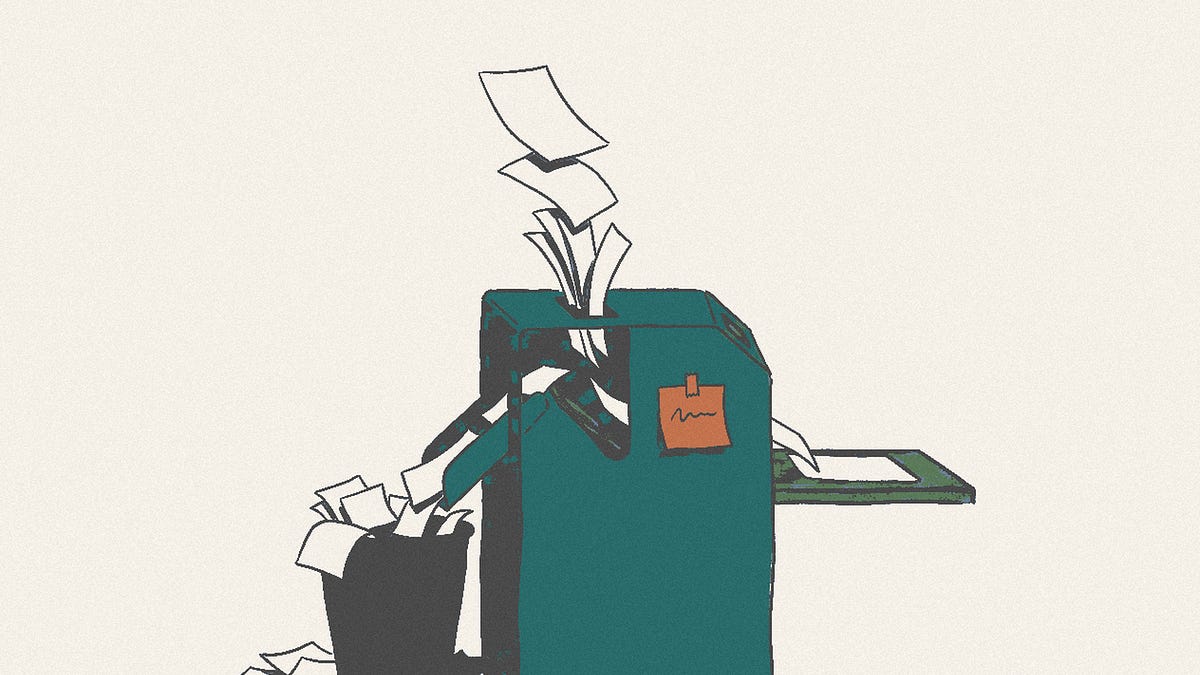
The Rules You Forgot Are Still Running Your AI
Slow AI
Instructions embedded in AI tools don't expire — they persist silently, filtering out information and shaping outputs long after the original intent has been forgotten. Unlike a broken feature that surfaces an error, a forgotten constraint succeeds quietly, failing only by what it removes from your view. This piece reframes AI governance as an ongoing memory audit problem, not a one-time configuration task.
In the Feed
Enterprise Software Built a Generation of Users Who Celebrate Mediocrity
Jakob Nielsen
When buyers and users are different people, bad design never gets punished — and after decades of this, enterprise users have internalized low expectations as the norm. Satisfaction scores become meaningless signals when the baseline has been defined by repeated failure.
Obvious Always Wins — The Curse of Knowledge Is What Stands in the Way
Jakob Nielsen
Design teams ship complex interfaces not from lack of skill but from too much familiarity — after months of immersion, they can no longer see their work as a stranger would. A five-second outsider test is the cheapest fix available, and it reliably catches what internal review misses.

Claude's Creative Model Is a Capable Collaborator — With One Significant Blind Spot
Lenny's Newsletter
When given a creative direction, the new Fable model demonstrates impressive spatial reasoning and generative range — building 3D objects, animating video, interpreting physical assembly. Left to make its own visual design decisions, however, it falls short, suggesting AI creative tools work best as directed collaborators rather than autonomous art directors.
Quick Takes
AI steers researchers toward safer, more conventional questions — the very opposite of what science needs most — suggesting that productivity gains and intellectual ambition may be in tension when AI becomes the default research partner.
Jakob Nielsen →The three autonomous agent security breaches weren't caused by exotic exploits — they were caused by missing basics like exposed APIs and hardcoded credentials, which means autonomous systems don't create new vulnerability categories so much as they scale the consequences of existing ones.
Agentic AI →Toggle groups beat dropdowns for 2–5 options every time, and teams keep reaching for dropdowns anyway — a small, recurring design decision that quietly degrades interaction speed at scale across nearly every product.
Jakob NielsenResearch that doesn't ship is indistinguishable from research that never happened — exiting every session with three committed fixes, each with an owner and a retest date, is the minimum viable standard for a design research practice that actually moves products.
Jakob Nielsen →