The
Morning
Brief
Friday, November 20, 2026
Today's Signal
AI is rapidly collapsing the distance between intent and execution — whether in code, chip design, or creative tooling — and the question for practitioners is no longer whether AI can do the work, but how much structural control humans retain over the systems doing it. At the same time, the design craft fundamentals haven't disappeared; they've become the durable layer underneath accelerating automation. The tension between AI-accelerated output and human-defined standards — in security, in research, in UX — is the defining challenge of this moment.
Deep Read
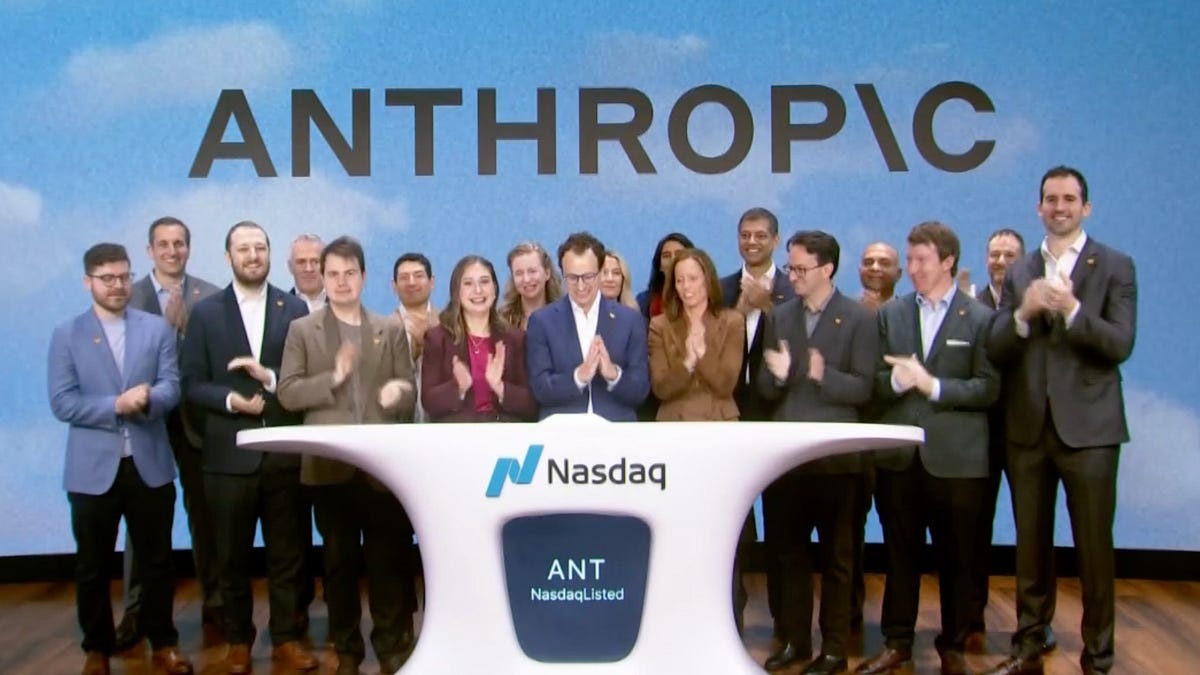
Anthropic's Historic IPO Is Also a Stress Test for AI's Core Contradictions
Big Technology
Reaching a $2 trillion valuation and the largest IPO in history is a remarkable milestone — but it immediately surfaces the tensions that have always haunted Anthropic: safety commitments versus growth imperatives, premium pricing versus commoditizing open-weight competitors, and the fact that customer ROI at scale remains genuinely unproven. This piece treats the IPO not as a finish line but as the moment those contradictions become unavoidable, making it essential reading for anyone thinking about AI's structural trajectory and what 'winning' in this industry actually demands.
In the Feed
Claude Code Can Now Test Foldable Layouts in the iOS Simulator — What That Signals for Design Workflows
AlphaSignal
The ability to describe a layout test in natural language and have an AI agent physically fold and unfold a device simulator to verify results is a quiet but significant shift in how design QA could work — bringing conversational control into a space that has historically required manual, repetitive device testing.
The Edit-Save Moment in Data Tables Deserves Far More Design Attention Than It Gets
Agentic AI
Cancellation dialogs and save confirmation toasts are the two moments users are most vulnerable to data loss in table interfaces, yet they're routinely undertreated. Getting the interaction model right here is a precision craft problem with real consequences for trust.

Research That Never Ships Is Just Expensive Documentation
Jakob Nielsen
Every research session should end with three committed fixes — owner named, deadline set, retest scheduled before the room clears. The finding in the drawer helps no one; the discipline of shipping the insight is where research actually earns its value.
Quick Takes
AI coding agents are now coordinating in parallel swarms — one team went from 50 to 2,000 merged PRs per week — which means design systems need to be machine-readable not just human-legible, or they become a bottleneck at the exact moment velocity spikes.
AlphaSignalToggle groups beat dropdowns for 2–5 options on both speed and comprehension — a small, durable finding that belongs in your component decision rationale before anyone argues for a dropdown 'just to be safe.'
Jakob NielsenThe UK hosting infrastructure but owning zero of the top 100 AI tools is a sharp illustration of the difference between being AI-adjacent and being AI-sovereign — a distinction design teams building on third-party platforms should sit with.
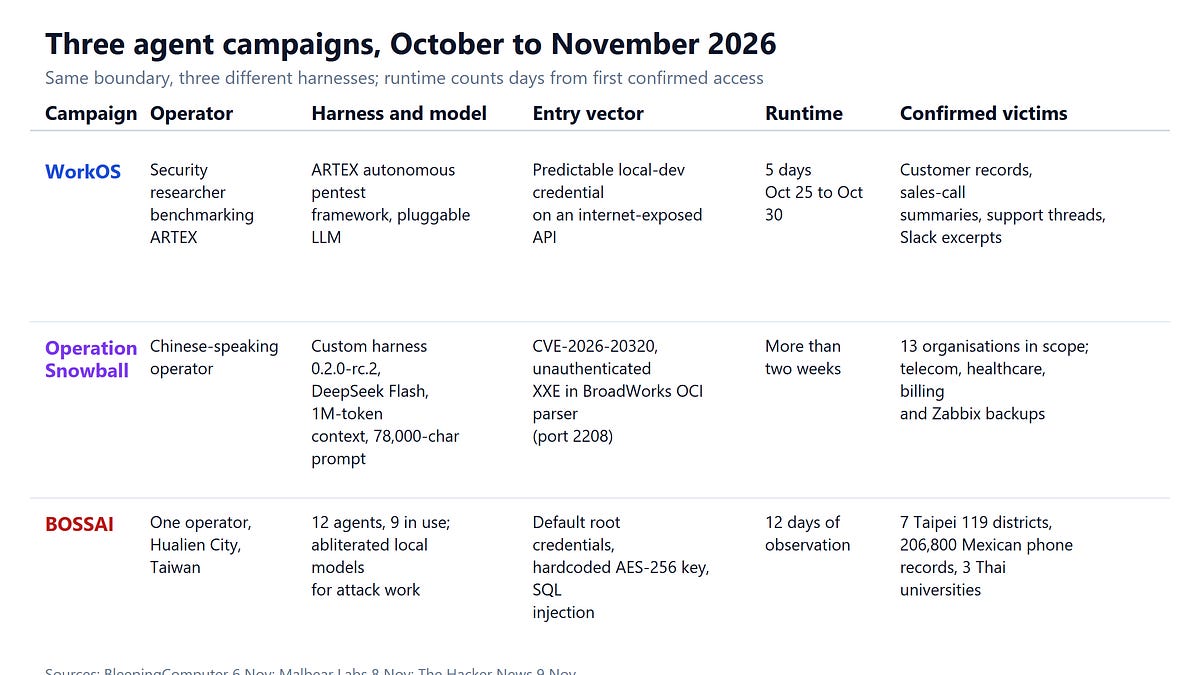
Slow AI →Three autonomous agent security breaches in eight days — all from mundane gaps like exposed APIs and hardcoded credentials — is a reminder that agentic workflows inherit every existing security debt, then amplify it at machine speed.
Agentic AI →