The
Morning
Brief
Friday, May 29, 2026
Today's Signal
AI is moving from assistant to collaborator to autonomous actor — writing code, solving unsolved math, and now learning from its own past sessions. For designers, this shift is double-edged: AI tools are opening genuinely new creative workflows, but the infrastructure choices being made now (unified embeddings, agentic orchestration, self-evolving systems) will quietly reshape the ground beneath design work itself.
Deep Read
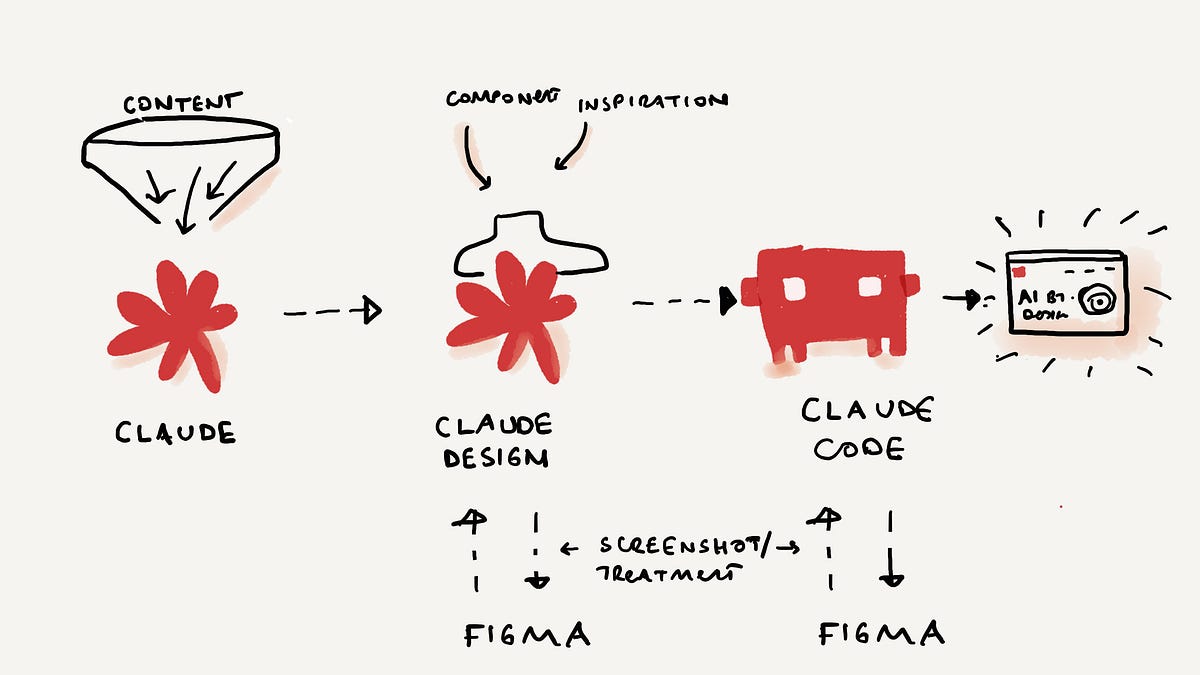
Beyond the Generic Aesthetic: What It Actually Takes to Design With AI as a Creative Partner
Design Meets AI
Building a personal site with Claude surfaced four hard-won lessons about working with AI as a design collaborator rather than a code monkey — including how to remix AI outputs like a DJ to escape the gravitational pull of generic aesthetics, and how to use AI critique as a tightening mechanism on your own work. The framing shift from 'AI as tool' to 'AI as product team' is subtle but changes everything about how you structure the conversation.
In the Feed
Claude Agents Now Grade Their Own Work and Dream About What They Got Wrong
AlphaSignal
Anthropic's latest update to Claude Managed Agents adds automated 'dreaming' — agents that review past sessions and update their own memory — plus rubric-based self-grading that improved task success by up to 10 points. The architecture is quietly shifting from stateless assistant to persistent, self-improving system.
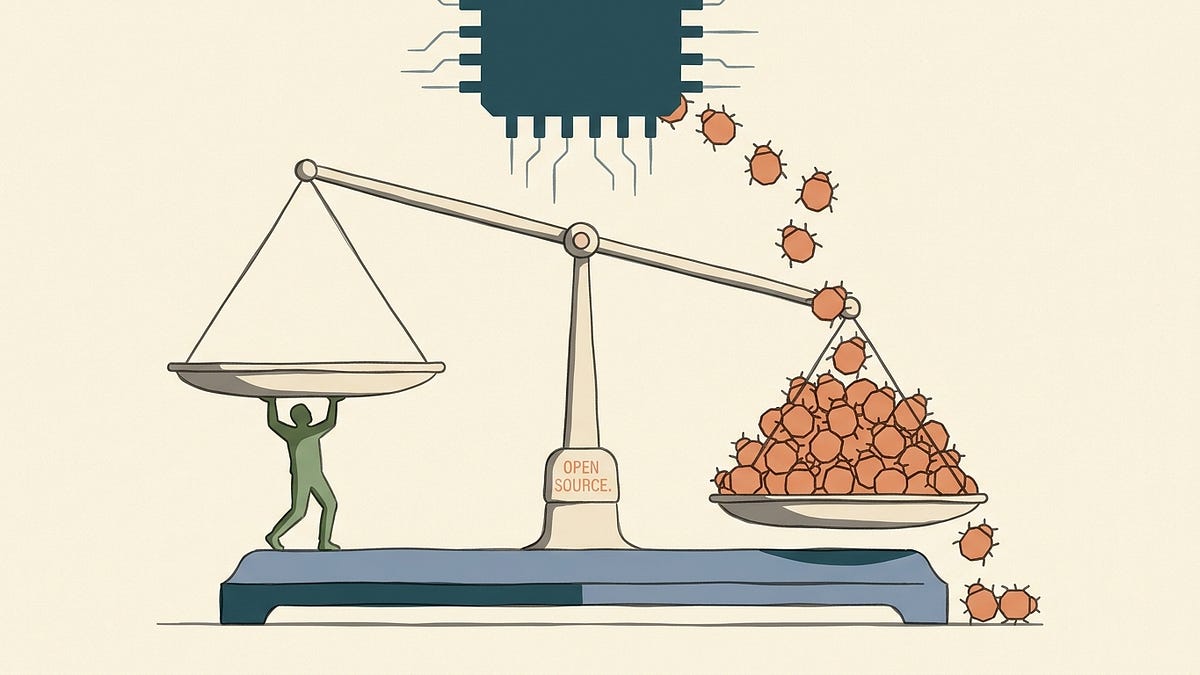
AI Finds 10,000 Security Bugs in a Month — and Unpaid Open-Source Maintainers Are Left Holding the Tab
Slow AI
Anthropic's vulnerability-scanning AI flooded open-source projects with critical bug reports faster than volunteer maintainers can address them — some have asked the company to simply slow down. It's a sharp illustration of how AI-generated scale can create asymmetric burdens on the people who build the foundational infrastructure everyone else depends on.
Design as Civic Infrastructure: What Commissioning a Redesigned Constitution Taught One Studio About the Work That Matters
Design Better
A studio's decision to redesign and distribute the U.S. Constitution — funding it themselves, commissioning designers for the Bill of Rights — became a philosophical pivot point about what design leadership actually means. The reflection cuts to the tension between chasing scale and funding work you believe in, with a clear argument for staying hands-on in the craft.
Quick Takes
The biggest barrier to AI adoption in creative work isn't the tools — it's that most designers never stop to ask whether AI could handle the tedious parts of their day.
Lenny's Newsletter →A unified embedding model that handles text, audio, video, and images in a single query isn't just a technical milestone — it's the infrastructure layer that makes cross-modal design search and asset retrieval genuinely viable.
AlphaSignalAI autonomously solving nine decades-old unsolved math problems for a few hundred dollars each is the clearest signal yet that AI is transitioning from research assistant to research peer.
AlphaSignalThe humanities aren't a soft complement to AI literacy — they're the actual moat against being captured by either AI utopianism or doomism.
Slow AI →