The
Morning
Brief
Wednesday, June 10, 2026
Today's Signal
Today's content circles a central tension: AI is rapidly collapsing the distance between design intent and shipped output, but the human skills required to govern that process—precision communication, structural thinking, quality judgment—are becoming more critical, not less. Meanwhile, the tools themselves are accelerating faster than most organizations can absorb, creating structural inequities in who gets to shape emerging norms. The question isn't whether AI changes creative work, but whether the people doing that work can stay upstream of it.
Deep Read
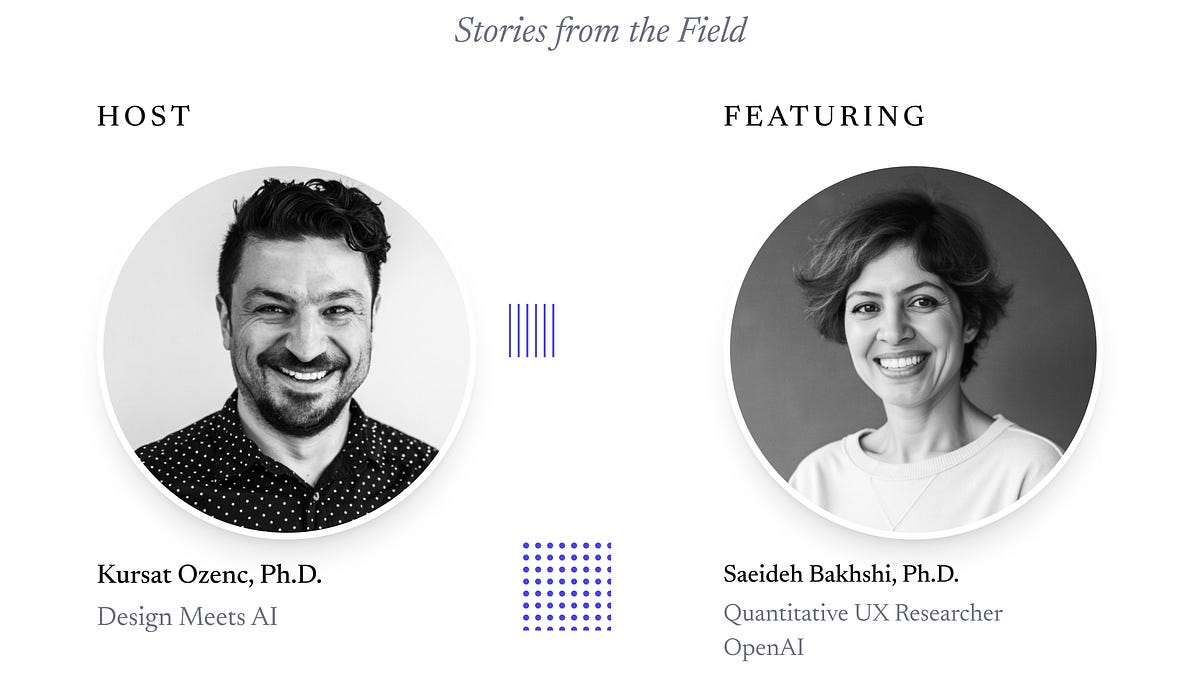
The Designer as Orchestrator: Why Expertise Must Move Upstream as AI Automates Insight
Design Meets AI
As AI matures from writing aid to autonomous agent, the individual contributor role is being recast from doer to delegator—but the hardest parts of the job remain stubbornly human: scoping the right questions, synthesizing meaning from generated output, and owning accountability for quality. The implication for design systems thinking is significant: governance, synthesis, and evaluation become the premium skills as raw insight generation gets commoditized. The piece frames this not as loss but as a structural shift in where expertise lives.
In the Feed
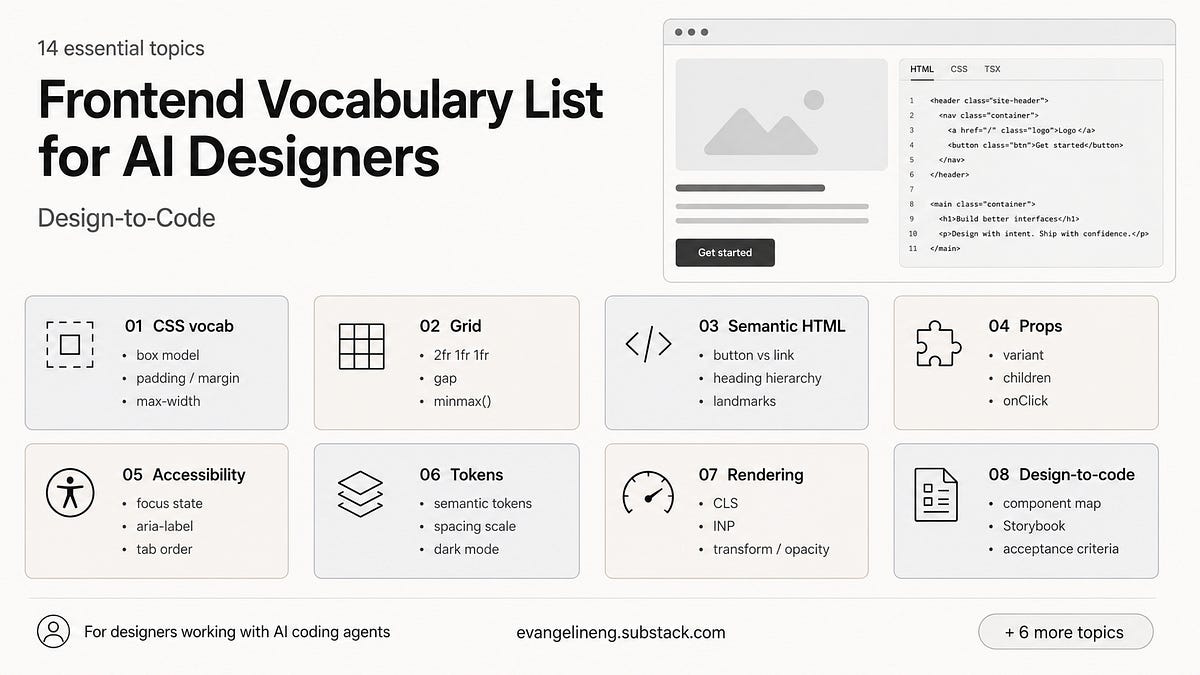
The New Design-to-Code Fluency: Why Naming the Technical Problem Is the Skill
AI-Native Designers Garden
Designers working with AI coding agents need more than good taste—they need precise frontend vocabulary to translate visual intent into instructions that actually land. The gap between 'this looks wrong' and 'the flex container is shrinking the child element' is the gap between broken UI and shipped UI.
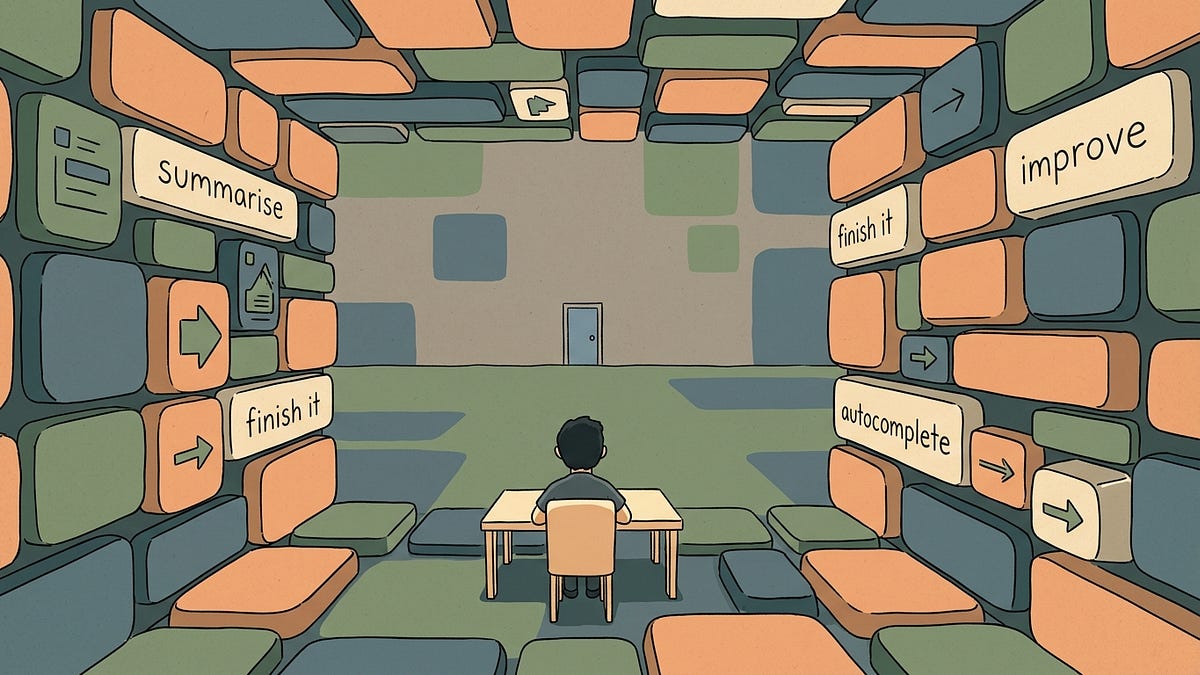
AI Deskilling Isn't a Willpower Problem—It's Baked Into How the Tools Are Built
Slow AI
Framing skill erosion as a personal discipline failure misdiagnoses the problem: tools designed to remove cognitive load structurally prevent skill development, regardless of user intent. This reframes the conversation for design leaders from individual habit-building to deliberate environmental design around which capabilities must be kept sharp.
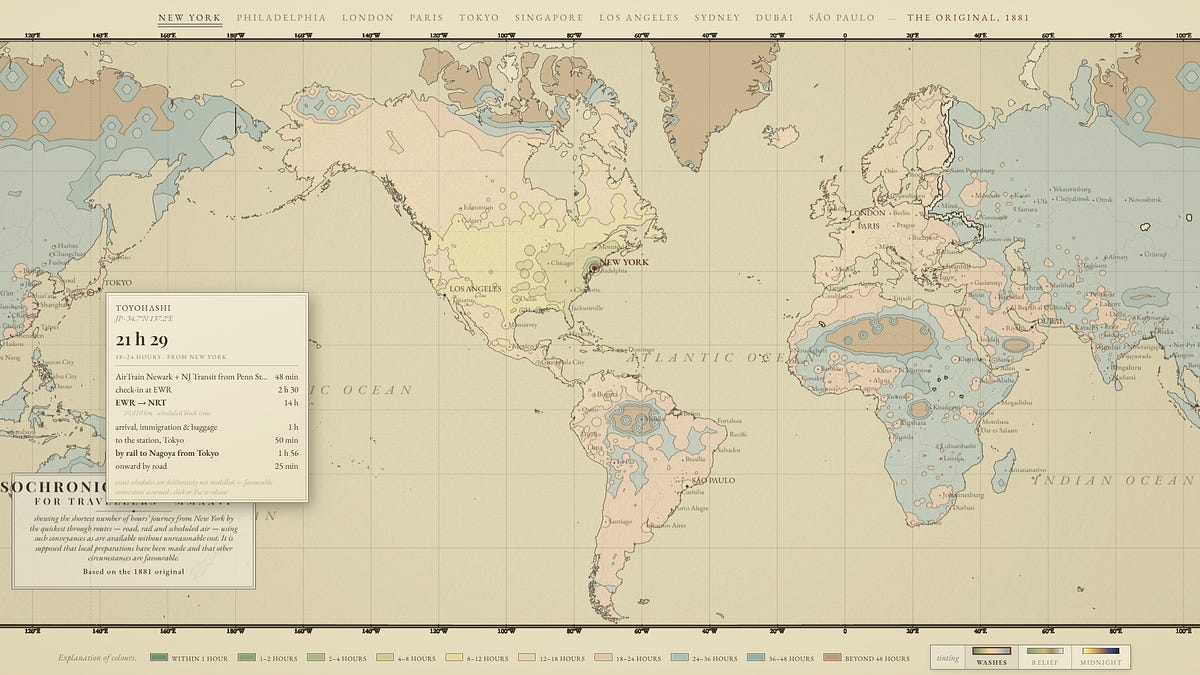
Working with Mythos-Class AI Feels Like Becoming a Patron, Not a Practitioner
One Useful Thing
The newest frontier models don't just assist—they research, decide, verify, and deliver, repositioning the human as commissioner rather than collaborator. The productivity gains are real and remarkable, but so is the loss of visibility into process, raising hard questions about creative ownership and craft maintenance.
Quick Takes
AI coding benchmarks that only measure whether code runs are measuring the wrong thing—Cognition's FrontierCode shows top models score 13/100 when judged on whether a real maintainer would actually merge the output.
AlphaSignalThe voices being left out of AI's emerging design norms aren't absent by choice—they're structurally excluded by who has the time and resources to experiment when learning costs fall entirely on individuals.
Unprofessional →When a general-purpose model matches specialized chemistry software without domain-specific training, every expensive category of professional tooling should be asking how long its moat actually holds.
AlphaSignalThe design-to-code pipeline is becoming a prompt-to-UI pipeline, and the designers who thrive will be the ones who can speak the language of both sides fluently enough to close the gap when AI gets it wrong.