The
Morning
Brief
Wednesday, July 8, 2026
Today's Signal
Today's content circles a central tension: AI is simultaneously amplifying and destabilizing knowledge workers, while the organizational structures around AI — how agents remember, coordinate, and self-improve — are maturing faster than most teams' ability to govern them. For designers specifically, the clearest signal is that the design system layer (tokens, governance, structured knowledge) is becoming the template for how AI agents manage shared truth, making design systems thinking newly relevant to infrastructure conversations.
Deep Read
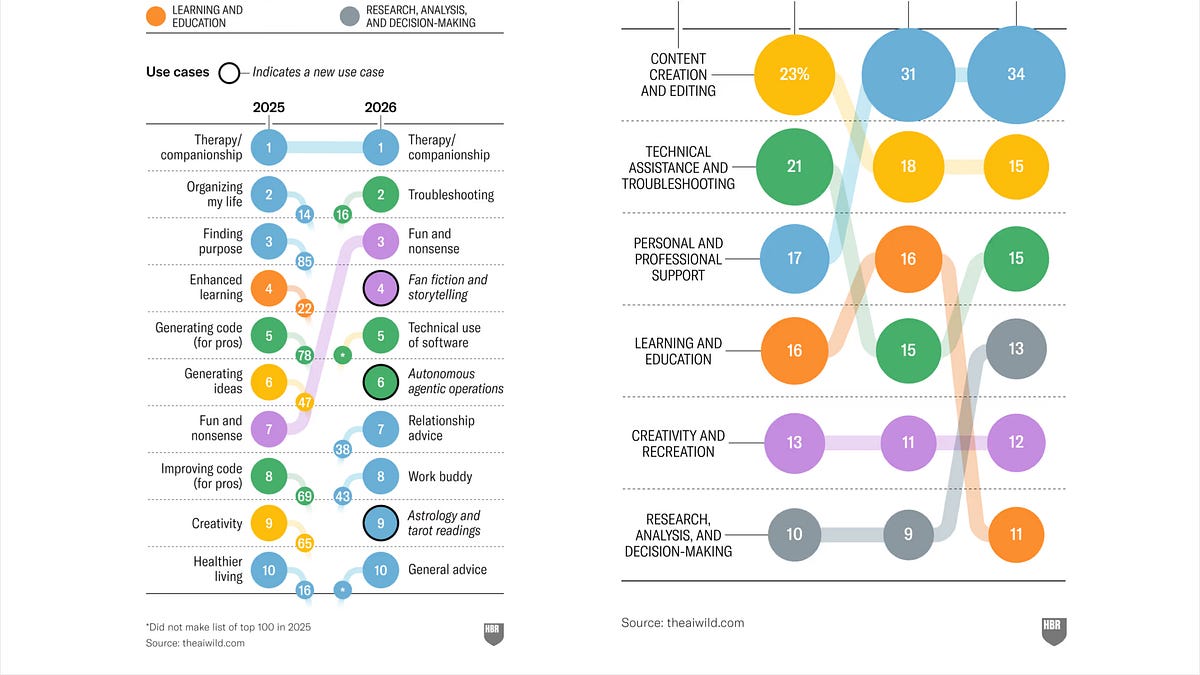
Proactive vs. Reactive: Why Organizational Design Matters More Than Personal AI Mindset
Design Meets AI
Synthesizing three recent reports on AI in knowledge work, this piece argues that the most dangerous failure mode isn't resisting AI — it's passively absorbing it into existing workflows and producing 'thinkslop.' The most striking finding: organizational factors (how roles, workflows, and review structures are designed) are twice as predictive of positive AI outcomes as individual attitude. This reframes AI adoption as fundamentally a design and systems problem, not a personal productivity challenge.
In the Feed
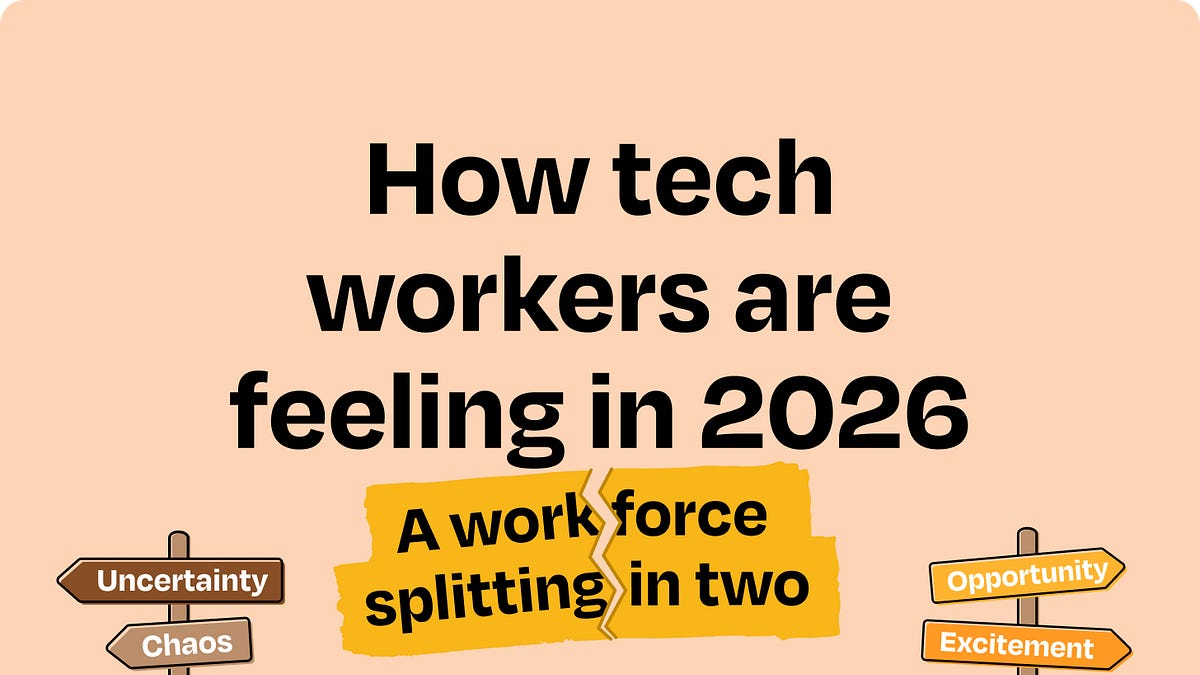
The AI Workforce Split Is Real: Half Thriving, Half Burning Out
Lenny's Newsletter
A survey of nearly 6,000 tech professionals reveals AI sentiment has become the single strongest predictor of career happiness — surpassing role, seniority, or company size — while burnout has surged 11 points in a single year as productivity gains get converted into higher workload expectations rather than relief.
Design Systems Logic Is Quietly Becoming the Blueprint for AI Agent Memory
System Design One
The problem of multiple AI agents sharing knowledge without corrupting it turns out to require exactly what design systems solved for components: typed structures, clear relationships, and governed merge workflows. A graph-based memory model with Git-style branching for agents maps strikingly onto the token-and-component governance patterns design systems teams already know.
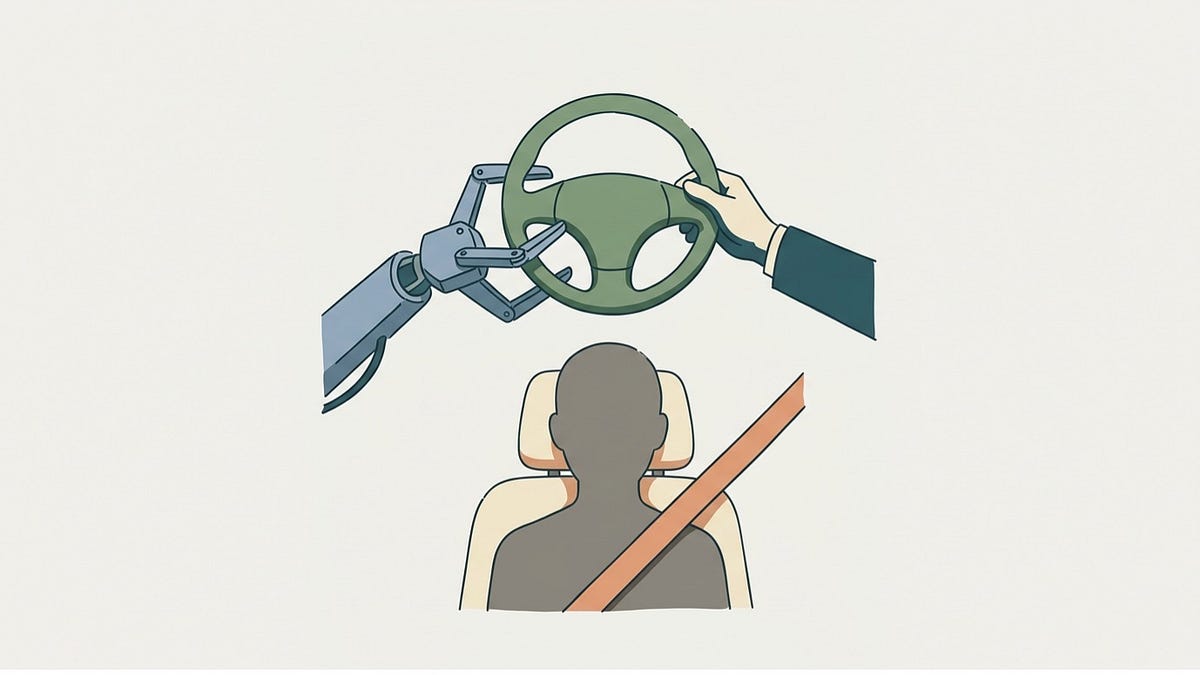
Agents Have No Skin in the Game — You Have All of It
Slow AI
As AI agents move from answering questions to autonomously sending emails, booking appointments, and executing code, a structural risk asymmetry emerges: the agent bears zero consequence for its errors while the human absorbs all liability, and automation bias makes that gap invisible until it's too late.
Quick Takes
The real risk of AI in creative work isn't replacement — it's that organizations absorb AI into broken workflows and call the output good, producing polished mediocrity at scale.
Design Meets AI →Discovering that Claude maintains a hidden internal reasoning workspace before responding is a preview of what AI auditing will need to become: inspecting not just outputs, but the private deliberation that shaped them.
Agentic AI →An AI motion design auditing tool that learns from 400+ production examples and applies fixes directly to your code flips design education: you learn by seeing what changed, not by studying in the abstract.
AI-Native Designers Garden →The bifurcating AI workforce and the governance gap in agentic systems point to the same root cause: teams are deploying AI faster than they are redesigning the human structures around it.