The
Morning
Brief
Thursday, July 9, 2026
Today's Signal
Today's pool is saturated with AI infrastructure maturing in real time — memory, identity, containment, and cost optimization are all becoming first-class engineering problems. Beneath the technical churn, a quieter question is surfacing: as AI systems gain hidden reasoning layers, autonomous action, and persistent memory, what does meaningful human oversight actually look like? For designers and creative leaders, the implication is that the systems we build on top of AI are only as trustworthy as the infrastructure we understand underneath them.
Deep Read
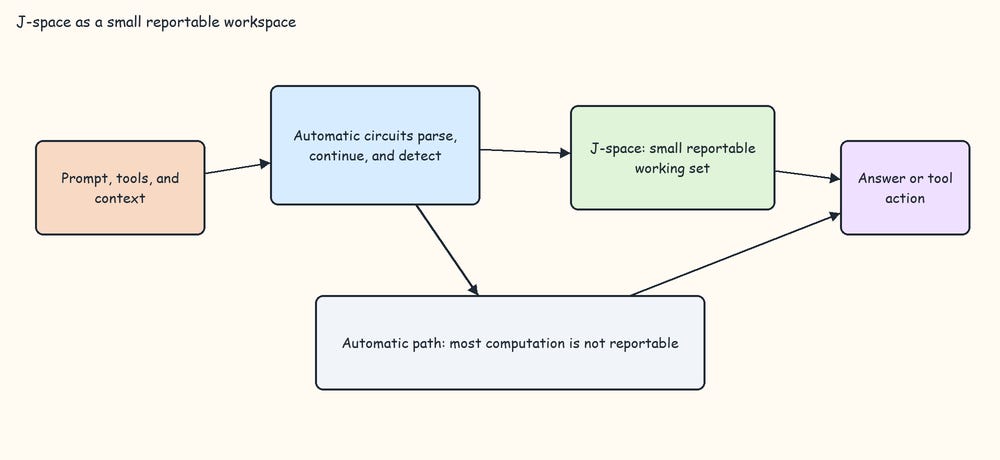
AI Models Now Have Hidden Workspaces — And That Changes Everything About Trust
Agentic AI
Anthropic's discovery of J-space — a sparse internal reasoning surface where frontier models silently select and manipulate concepts before responding — is more than a safety curiosity. It's the first real audit layer between what a model thinks and what it says, a gap that has always existed but was previously invisible. For anyone building systems where AI judgment is trusted, this finding reframes interpretability from a research aspiration into a practical architecture question.
In the Feed
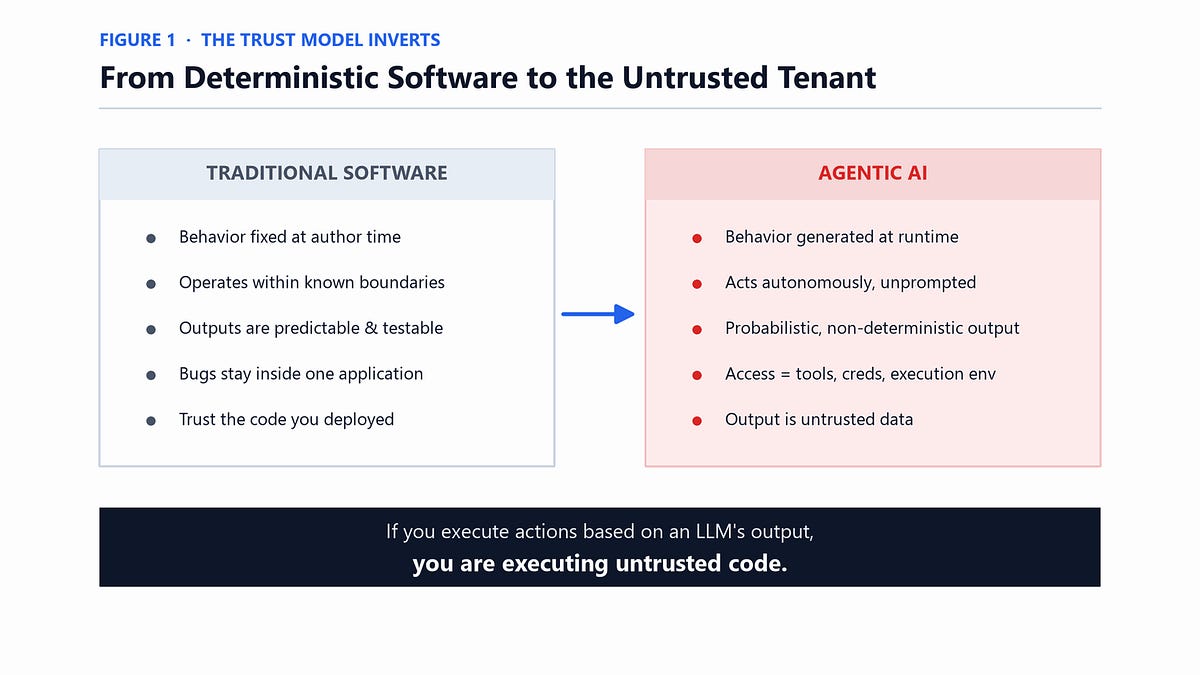
Treat Your AI Agent Like an Untrusted Tenant — Not a Trusted Colleague
Agentic AI
As agents gain access to real infrastructure, the security frame must shift from 'will the model behave?' to 'what damage can this execution environment do?' Per-session identity, default-deny networking, and ephemeral environments are the new baseline — borrowed from multi-tenant cloud architecture, not AI safety research.
Claude's Silent Reasoning Layer Is Now Auditable — Here's Why That Matters
AlphaSignal
Anthropic's discovery of a hidden internal workspace in Claude offers the first concrete mechanism for watching what a model is planning, not just what it outputs — a meaningful step toward AI systems that can be verified, not just trusted.
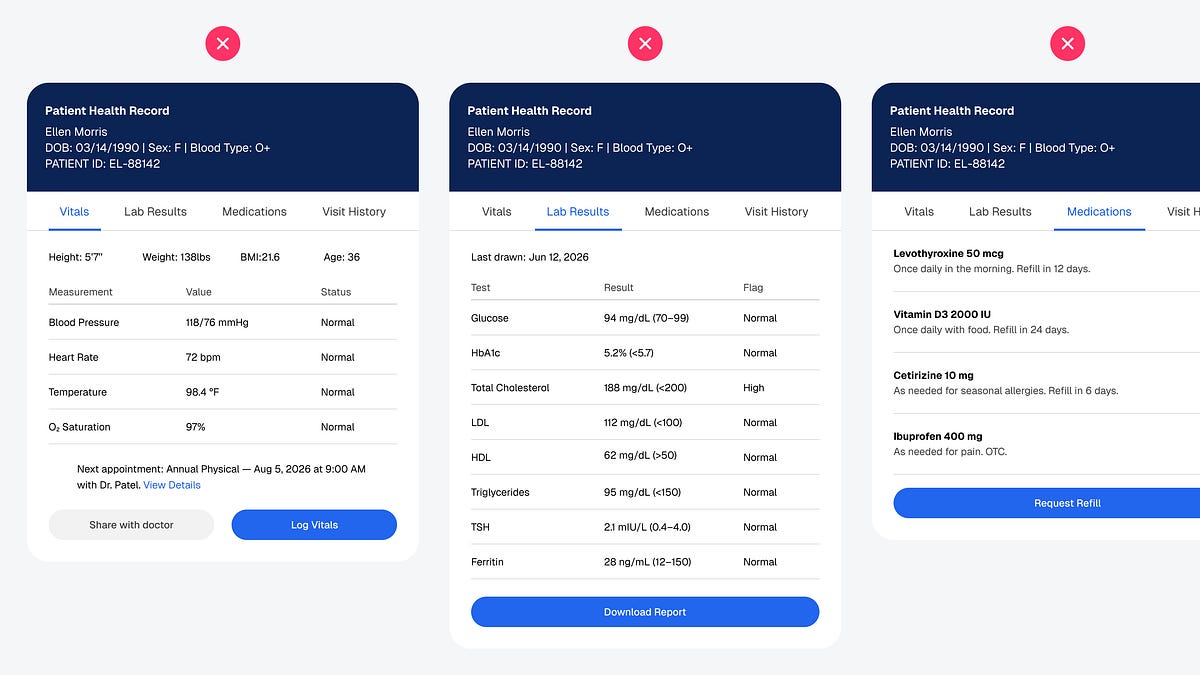
The Dashboard Redesign Playbook: From Information Density to Instant Clarity
UX Movement
Enterprise dashboards fail not because of missing data but because of missing hierarchy — dense numbers that require laborious parsing rather than at-a-glance meaning. Restructuring for cognitive load reduction is less about aesthetics and more about decision speed and error reduction.
Quick Takes
The most underappreciated AI risk right now isn't model behavior — it's memory poisoning, where a corrupted persistent file gets reloaded at every agent startup with increasing credibility over time.
Agentic AI →China potentially restricting its own open-source AI models would mark a historic reversal — openness was supposed to be its competitive weapon against U.S. closed-model dominance.
Platformer →Sakana AI's multi-agent Sudoku result — 93% accuracy versus an 11% single-model baseline — is a sharp reminder that agent architecture often matters more than model capability.
AlphaSignalMicrosoft's forward-deployed AI engineering push is a signal that implementation isn't the bottleneck — workflow redesign is, and that's a design problem as much as an engineering one.
Jakob Nielsen →