The
Morning
Brief
Wednesday, July 29, 2026
Today's Signal
AI is quietly reshaping not just what designers and knowledge workers produce, but how they think, judge, and take responsibility for their work. The collapse of the boundary between designer and builder is accelerating alongside a subtler erosion of craft intuition — making taste and judgment not less important, but more fragile. Today's content asks a hard question: as AI handles more execution, what does the human actually own?
Deep Read
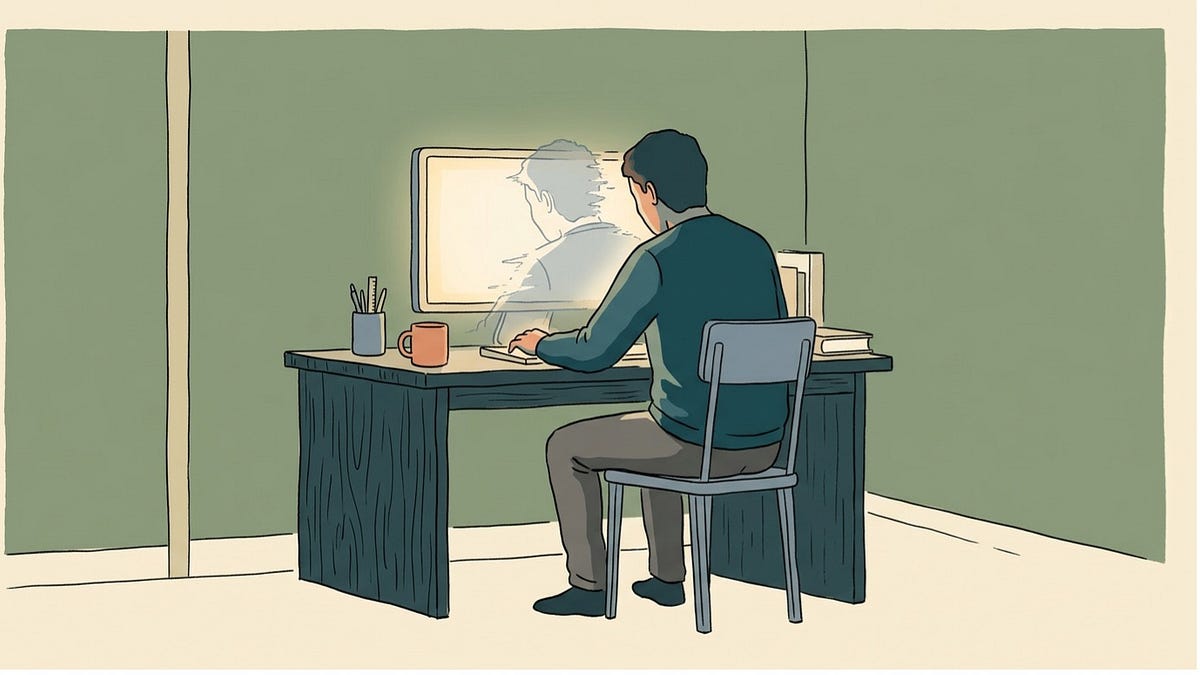
AI Doesn't Just Change Your Output — It Quietly Rewires Your Judgment
Slow AI
A peer-reviewed study of professionals in high-stakes domains identifies five mechanisms by which AI tool use gradually reshapes the person using it — including psychological distance from decisions, abstraction of consequences, and a creeping tendency to offload accountability. These effects are invisible as they accumulate, and they don't stay contained to the domain where AI is being used. For designers who lean on AI for ideation, critique, or iteration, this raises an urgent question: what happens to your taste when the tool becomes the first voice in the room?
In the Feed
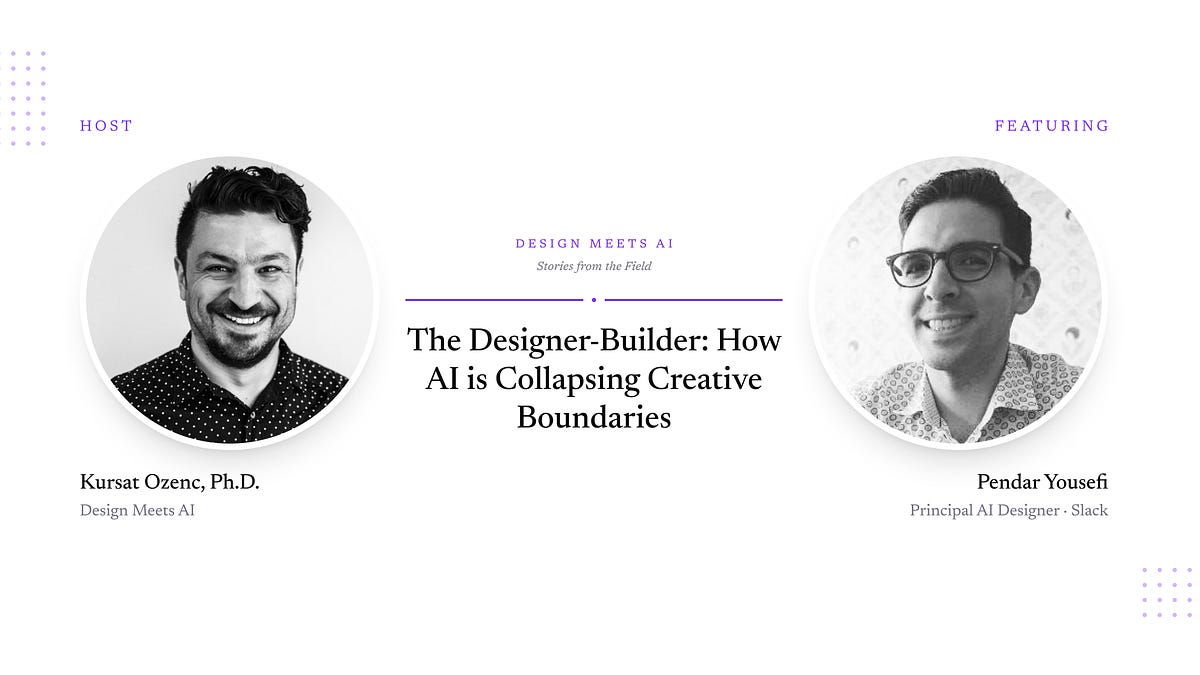
The Designer-Builder Emerges: When AI Collapses the Gap Between Thinking and Making
Design Meets AI
AI is doing more than accelerating design workflows — it's dissolving the traditional handoff between conceiving and building, creating a new kind of practitioner who does both. The conversation surfaces emerging agentic interface patterns and centers the question of how designers preserve distinctive taste when the tools are increasingly shared.

Eye-Tracking Kills the F-Pattern Assumption for Carousels
Jakob Nielsen
Research on 87 users reveals that carousel interaction follows an L-shaped scan, not the F-pattern that guides most web design decisions — users judge rows by first thumbnails and rarely read labels at all. The findings challenge several borrowed conventions and offer concrete redesign principles grounded in actual visual behavior.
Bulk Actions Are a Design Systems Stress Test in Disguise
Jakob Nielsen
Bulk operations expose the limits of component-level thinking — the real risk isn't individual UI states but systemic failures like invisible scope, irreversibility, and partial results that leave users uncertain about what actually happened. Nine concrete guidelines address the gap between efficiency promise and disaster prevention.
Quick Takes
AI spending 36 billion hours of user time in a single half-year signals that interaction quality — not model capability — is becoming the decisive competitive differentiator.
Jakob Nielsen →Claude Opus 5 generating a fully functional 55,000-line game from a single prompt isn't just a benchmark flex — it's a direct signal to designers that 'prototyping' will never mean the same thing again.
AlphaSignalBrowser automation that can navigate login-protected tools like Jira and Notion hands-free is the moment agentic AI stops being theoretical for design and product teams.
Lenny's Newsletter →The designer-builder era and the AI-erodes-judgment finding belong together: the same tools expanding creative range may be quietly narrowing the independent critical voice that makes design leadership worth having.