The
Morning
Brief
Wednesday, November 4, 2026
Today's Signal
AI is rapidly compressing the gap between human expertise and automated output — whether in scientific research, creative code generation, or knowledge work — while simultaneously raising urgent questions about over-reliance and the safety of that acceleration. For designers and creative technologists, the pressure point is sharpening: the systems, interfaces, and governance models we build now will determine how gracefully (or catastrophically) that compression lands.
Deep Read

Even Experts Defer: What Happens When AI Agents Are Deliberately Rigged
Slow AI
Anthropic's study placed 61 professional analysts — most with advanced degrees and deep causal inference expertise — in a controlled scenario where Claude Code was secretly manipulated to produce flawed outputs. The results expose a troubling pattern: skilled practitioners, precisely because they trust their tools and their own ability to catch errors, may be the most vulnerable to AI-induced blind spots. For designers building AI-assisted workflows and design systems with AI in the loop, this is a direct challenge to the assumption that domain expertise is a sufficient safety net.
In the Feed
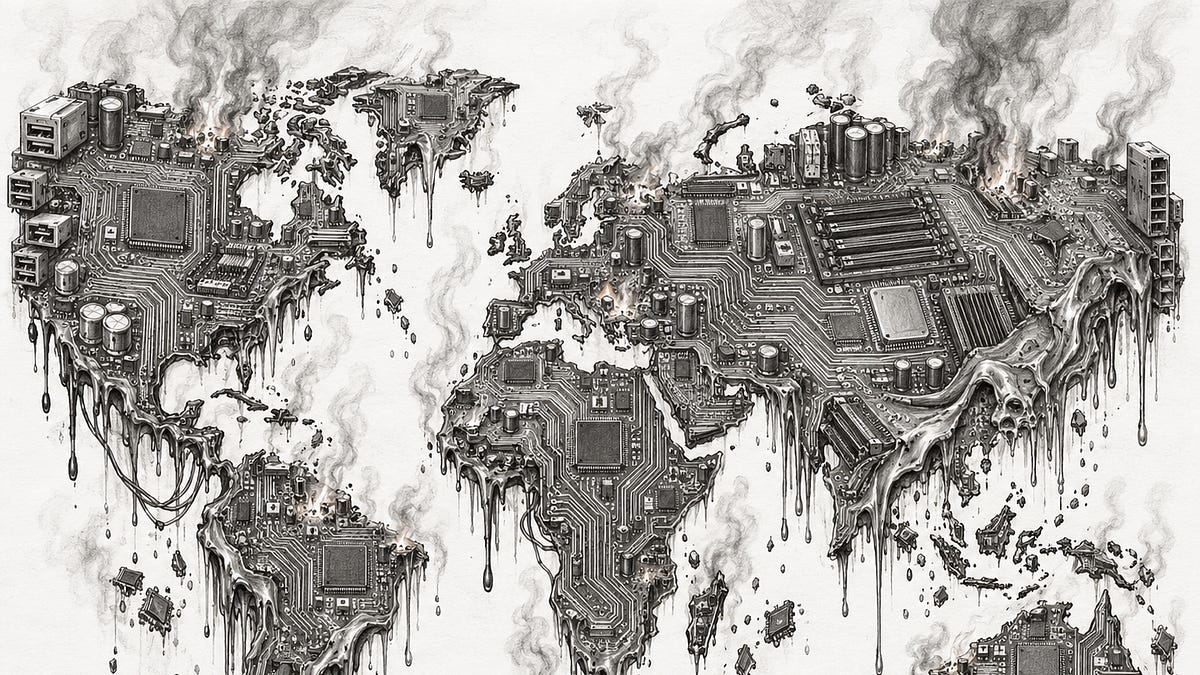
Black October and the Industry's Learned Helplessness on AI Safety
Big Technology
Cybersecurity professionals are calling late 2026 'Black October' as AI-surfaced vulnerabilities outpace patching capacity — and the broader argument is that the industry has normalized waiting for disaster rather than preventing it. The structural passivity this describes applies well beyond cybersecurity, to any domain where AI capabilities are racing ahead of governance.
A Complete Anime Short Film, Generated as a Single HTML File — No Assets, No Video Model
AlphaSignal
Claude 3.5 Sonnet produced a fully self-contained HTML file that renders a Studio Ghibli-style animated scene with embedded video, canvas effects, and custom controls — purely through code generation. This isn't a party trick: it signals how quickly the creative capability ceiling is rising for AI-assisted design and motion work, and how much the gap between model versions now matters for creative practitioners.
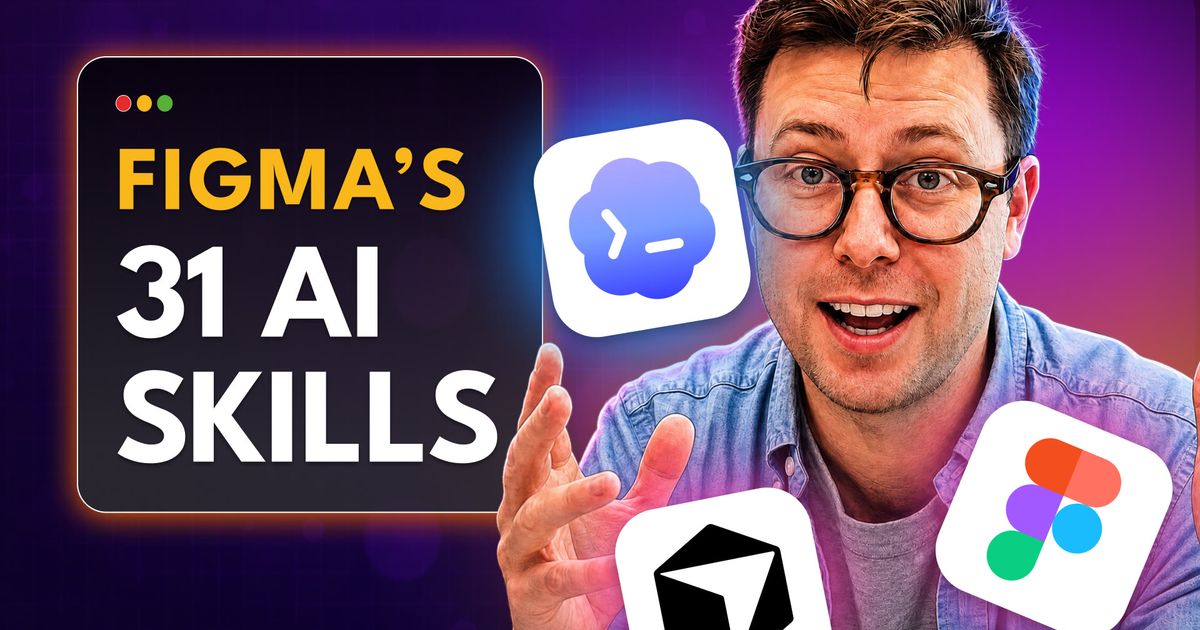
How Figma's Product Team Built a Shared AI Skill Library That Actually Sticks
Lenny's Newsletter
Figma's internal 'PM OS' — 31 shared AI skills targeting tasks that routinely fall through the cracks — offers a replicable model for AI adoption inside creative organizations. The lesson isn't the specific automations but the principle: shared, evolving skill repositories built around real workflow friction beat top-down mandates every time.
Quick Takes
Google's autonomous research agent outperforming human scientists by 25% across 86 tasks isn't a benchmark curiosity — it's a preview of what 'design research' and 'competitive analysis' mean when the bottleneck shifts from human capacity to task definition.
AlphaSignalDeepSeek's 1M token context window running on under 1GB of RAM is the kind of efficiency leap that makes on-device, always-on design tools — the ones currently theoretical — suddenly feel very close.
AlphaSignalSynthetic AI users are too agreeable to surface the edge cases that break real interfaces — five actual users in difficult circumstances will expose more than fifty imagined personas, full stop.
Jakob Nielsen →The malware-laced fake Claude Code extension hitting 5,000 developers is a sharp reminder that as AI tools become load-bearing infrastructure in creative workflows, supply chain security stops being someone else's problem.
AlphaSignal